
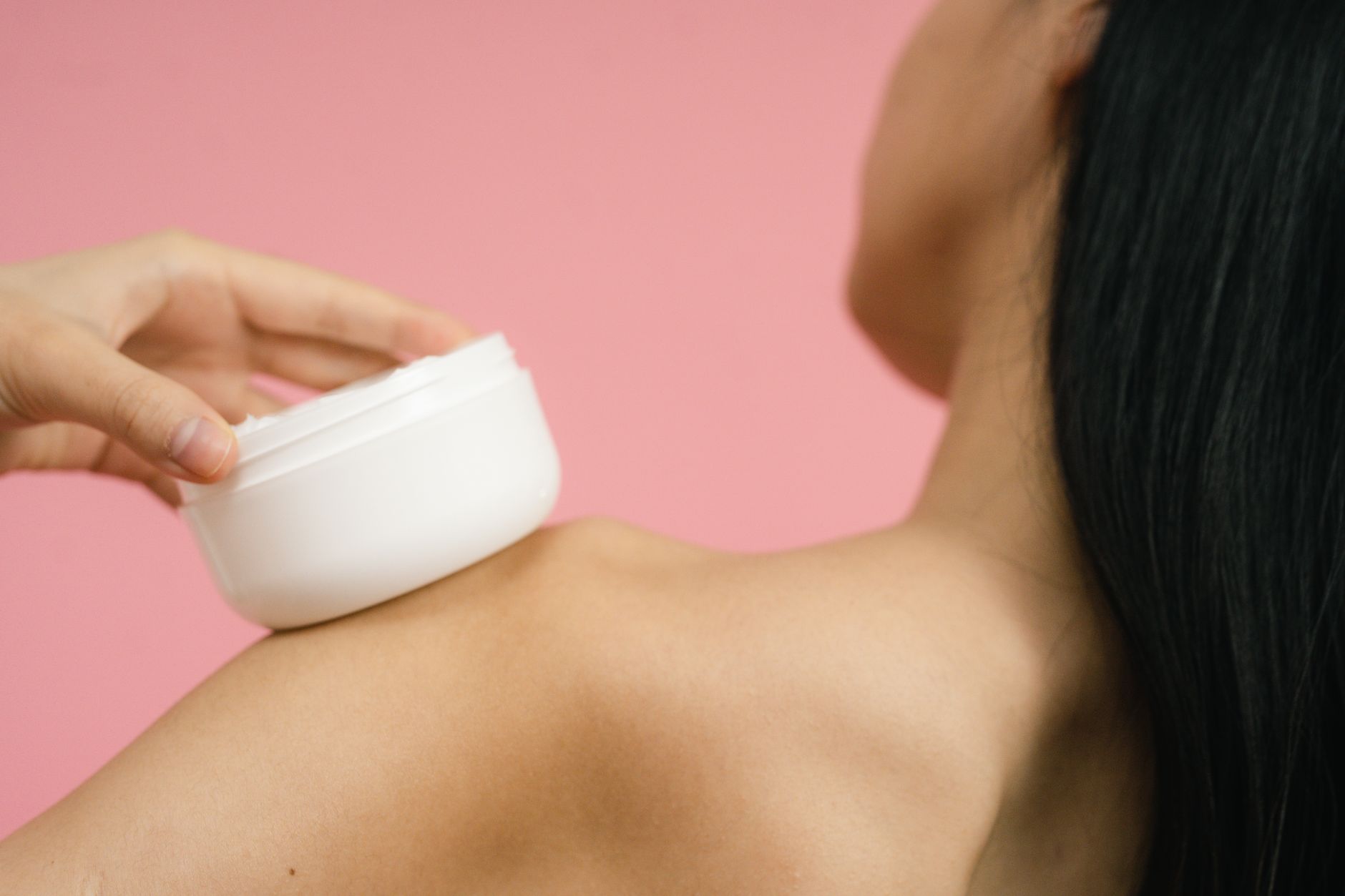
Weight loss can often lead to loose or sagging skin, a concern for many who have worked hard to achieve their goals. Tightening skin after weight loss naturally is possible, but it takes time, consistency, and a multifaceted approach. In this guide, we’ll explore effective methods to help enhance skin elasticity and firmness after significant weight loss.
Understanding the limits of natural skin-tightening procedures is also crucial. While lifestyle changes can help improve the appearance of your skin, remember that individual results may vary based on factors like age, genetics, and skin type.
What Are the Best Natural Ways to Tighten Skin After Weight Loss?
To naturally tighten skin post-weight loss, consider adopting a combination of lifestyle habits, skincare routines, and dietary adjustments. Some effective strategies include:
- Staying hydrated
- Applying topical treatments
- Maintaining a balanced diet
- Incorporating specific exercises
- Utilizing natural oils and ingredients
Understanding Skin Elasticity
Skin elasticity refers to the skin’s ability to stretch and return to its original shape. After significant weight loss, the skin may struggle to maintain its tightness due to reduced collagen and elastin production, which commonly diminishes with age and can be further exacerbated by rapid weight loss.
While achieving a completely tight appearance isn’t always possible, various methods can help improve skin texture, making it look and feel firmer.
Staying Hydrated
One of the simplest and most effective ways to maintain skin elasticity is to stay adequately hydrated. Drinking enough water helps maintain skin’s moisture levels, ensuring it remains plump and elastic. Here are some tips for staying hydrated:
- Drink at least 8 glasses of water each day.
- Incorporate hydrating fruits and vegetables into your diet, such as cucumbers, watermelon, and oranges.
- Limit dehydrating beverages like alcohol and caffeinated drinks.
Topical Treatments for Firmness
Applying specific products can help improve the appearance of your skin. Focus on moisturizers that promote elasticity and firmness, including those that contain:
- Retinol: A derivative of vitamin A known to boost collagen production.
- Hyaluronic acid: This ingredient greatly enhances hydration and plumpness.
- Caffeine: Often found in skin creams, caffeine can temporarily tighten the skin.
- Peptides: These stimulate collagen production, enhancing elasticity.
Creating a Skincare Routine
Establishing a consistent skincare routine can help improve skin texture and firmness. Consider the following steps:
- Cleanse: Use a gentle cleanser twice daily to remove impurities.
- Tone: Apply a toner with ingredients like witch hazel or rose water to balance skin.
- Moisturize: Choose a product with nourishing ingredients to keep skin hydrated.
- Apply Treatments: Use treatment serums containing retinol, hyaluronic acid, or peptides.
Dietary Adjustments
Your diet plays a critical role in skin health. Focus on eating a balanced diet rich in vitamins, antioxidants, and healthy fats to help improve skin elasticity:
- Vitamin C: Helps produce collagen; find it in citrus fruits, strawberries, and bell peppers.
- Omega-3 Fatty Acids: Support skin health; found in fish, walnuts, and flaxseeds.
- Antioxidants: Neutralize free radicals; consume colorful fruits and vegetables.
Foods to Include for Skin Tightening
Incorporating nutrient-dense foods into your diet can significantly affect your skin’s elasticity:
- Leafy greens: Spinach, kale, and other greens are packed with vitamins.
- Berries: High in antioxidants, helping protect skin from damage.
- Nuts and seeds: Provide essential fatty acids for skin health.
Incorporating Exercise
Exercise not only helps with weight management but can also improve blood circulation, delivering oxygen and nutrients to the skin. Here are some exercise types to consider:
- Strength Training: Helps build muscle, offering a firmer appearance to the skin.
- Cardiovascular Exercise: Improves overall circulation, allowing the skin to receive vital nutrients.
- Yoga: This can enhance skin tone and elasticity while reducing stress.
Sample Workout Routine
Here’s a simple routine you can follow, ideally three to five times a week:
- Warm up with 5-10 minutes of light cardio.
- Perform strength exercises, targeting different muscle groups (e.g., squats, lunges, push-ups) for 20-30 minutes.
- Conclude with a cooldown, including stretching and yoga poses to enhance flexibility.
Natural Oils and Ingredients
Utilizing natural oils can enhance skin hydration and contribute to a firmer appearance. Consider the following:
- Coconut Oil: Known for its moisturizing properties and can be used as a topical treatment.
- Almond Oil: Rich in vitamin E, it can improve skin elasticity.
- Olive Oil: Helps nourish and hydrate the skin, making it look youthful.
How to Use Natural Oils
To use natural oils effectively:
- Choose an oil based on your skin type.
- Warm a small amount of oil in your hands.
- Gently massage the oil into your skin using upward circular motions.
- Leave it on as an overnight treatment for deeper penetration.
Massage Techniques for Skin Tightening
Regularly massaging your skin can improve circulation, which may enhance firmness. Consider these techniques:
- Palm Compression: Use your palms to apply pressure and lift the skin.
- Pinching: Gently pinch areas of loose skin to promote circulation.
- Rolling: Use your fingertips to roll the skin for stimulation.
How Often to Massage
Incorporate massage into your skincare routine 2-3 times per week for best results. Set aside 5-10 minutes for it to foster relaxation and improved skin appearance.
Managing Expectations and Understanding the Limits
While these natural methods can enhance skin tightness, it’s important to recognize their limits. Several factors can affect skin elasticity:
- Age: Skin loses collagen and elasticity over time.
- Genetics: Family history can influence skin health.
- Extent of Weight Loss: Significant weight loss may leave more excess skin.
When to Seek Professional Advice
If loose skin remains a concern despite your efforts, consider consulting a qualified clinician or dermatologist. They can provide guidance on additional options, including non-invasive treatments and surgical procedures.
Maintaining Healthy Skin Long-term
Adopting a holistic approach to skin care and wellness can promote long-term results. Here are some strategies for maintaining firm skin:
- Continue with regular nutrition and hydration.
- Keep up a consistent skincare routine.
- Remain active with both strength and cardiovascular exercises.
- Protect your skin from the sun using sunscreen to prevent premature aging.
Signs of Skin Irritation
As you incorporate new products or treatments into your routine, watch for signs of irritation, such as:
- Redness or swelling
- Itching or burning sensations
- Peeling or flaking skin
Always discontinue use of any product causing irritation and consult a health professional if necessary.
Conclusion
Tightening skin after weight loss naturally involves a combination of hydration, skincare, diet, exercise, and natural treatments. While results may vary, implementing these strategies can significantly improve your skin’s appearance and boost your confidence. Remember to be patient, as changes can take time, and listen to your body throughout the process.
For further reading on skincare and beauty, explore our guides on what Botox is and how to get rid of cellulite on legs.