
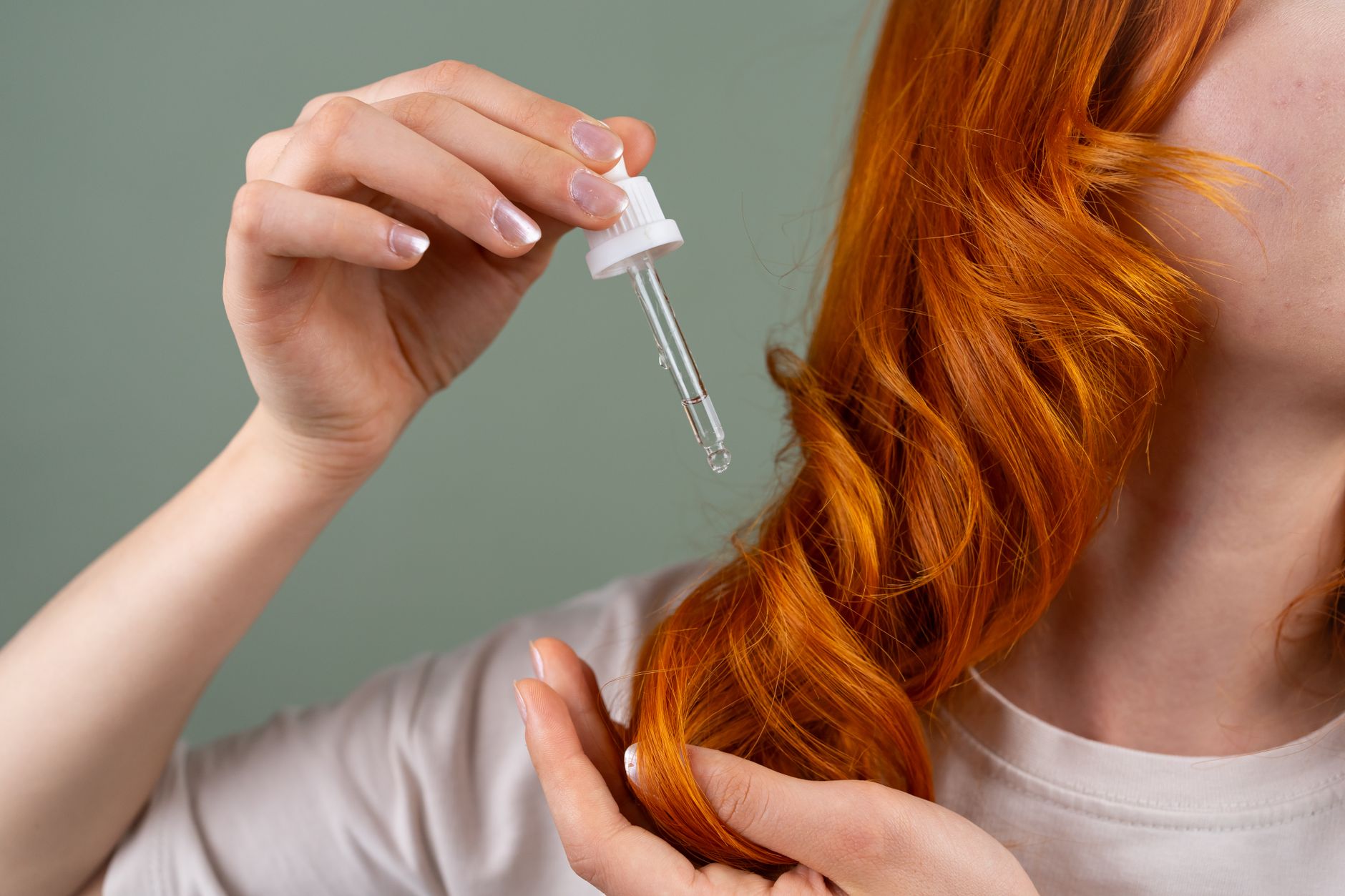
Castor oil has been celebrated for centuries for its numerous health and beauty benefits. One of its most intriguing claims is its ability to promote hair growth. With an abundance of anecdotal evidence and natural beauty enthusiasts swearing by it, many wonder: does castor oil truly grow hair? In this guide, we’ll explore the connection between castor oil and hair growth, backed by research, as well as practical advice on its use.
In understanding whether castor oil can facilitate hair growth, we’ll cover what makes this oil stand out, how it interacts with hair health, and guidelines for incorporating it into your hair care routine. We’ll also discuss possible limitations and realistic expectations when using this popular natural remedy.
Does Castor Oil Grow Hair?
Castor oil is often claimed to stimulate hair growth due to its rich composition of nutrients. Primarily, it contains ricinoleic acid, which has been suggested to enhance circulation to the scalp, potentially promoting hair growth. However, conclusive scientific evidence to fully affirm its efficacy is limited. That said, many users report positive results when using castor oil as a part of their hair care regimen.
Understanding Castor Oil
To comprehend how castor oil might promote hair growth, it’s essential to understand its core components and benefits:
- Ricinoleic Acid: This fatty acid comprises about 90% of castor oil, thought to have anti-inflammatory properties that benefit scalp health.
- Vitamin E: Known for its antioxidant properties, vitamin E supports hair health by reducing oxidative stress.
- Omega-9 Fatty Acids: These can help in maintaining moisture and protecting hair from damage.
- Moisturizing Properties: Castor oil can create a barrier that locks in moisture, preventing dryness.
How Castor Oil Works for Hair
Castor oil’s potential benefits for hair growth can largely be attributed to its nourishing properties. Here are a few ways it may positively impact your hair:
- Scalp Health: A healthy scalp is critical for hair growth. The anti-inflammatory properties of ricinoleic acid can soothe scalp irritations, promoting a healthier environment for hair follicles.
- Hydration: Castor oil’s hydrating qualities help to keep hair moisturized, reducing breakage and helping strands to grow longer.
- Increased Circulation: It is suggested that castor oil might improve blood circulation when massaged into the scalp, providing hair follicles with essential nutrients.
Using Castor Oil in Your Hair Care Routine
Incorporating castor oil into your hair care routine can be simple and effective. Below are practical tips on how to use it.
Choosing the Right Castor Oil
Not all castor oils are created equal. When selecting castor oil for hair care, look for:
- Cold-Pressed: This method of extraction preserves the oil’s nutrients better than heat extraction.
- Organic: Opt for organic castor oil to avoid exposure to potentially harmful chemicals.
- Unrefined: Unrefined oils retain more of their natural properties, making them better suited for beauty applications.
Application Methods
Here are some effective methods to apply castor oil to your hair:
- Direct Application: Use a dropper or your fingers to apply castor oil directly to your scalp. Massage it in for about 5-10 minutes to stimulate circulation.
- Oil Treatment: Mix castor oil with another carrier oil, such as coconut or olive oil, to thin it out for easier application. This can enhance absorption while balancing consistency.
- Hair Mask: Combine castor oil with yogurt or honey for a nourishing hair mask. Apply it once a week for added hydration and nourishment.
Frequency of Use
For best results, use castor oil 1-2 times weekly. This frequency allows for stimulating the scalp without overwhelming it with product buildup, maintaining a healthy scalp environment.
Managing Expectations
While many users report positive experiences with castor oil, it’s vital to approach any natural remedy with realistic expectations. Here are a few points to consider:
- Results Vary: Everyone’s hair is unique, and results may vary based on hair type, health, and individual conditions.
- Patience is Key: Significant improvements in hair growth may take several weeks or even months to notice.
- Combination with Other Treatments: For optimal results, consider pairing castor oil with a robust hair care routine, including proper nutrition and hydration.
Common Mistakes to Avoid
When using castor oil, certain mistakes can hinder your results. Here’s what to avoid:
- Applying Too Much: A little goes a long way; using too much oil can lead to buildup and greasy hair.
- Forgetting to Patch Test: Always perform a patch test to check for allergic reactions or sensitivities before widespread use.
- Ignoring Other Hair Care Practices: Relying solely on castor oil without other healthful practices may limit your hair’s potential.
Alternative Oils for Hair Growth
If castor oil doesn’t appeal to you, several other oils also promote hair health and growth:
- Coconut Oil: Renowned for its moisture-locking properties and ability to penetrate hair strands.
- Jojoba Oil: Mimics the natural oils in the scalp, helping to keep hair hydrated and healthy.
- Argan Oil: Rich in fatty acids and antioxidants, it helps protect hair from damage while providing moisture.
- Rosemary Oil: Known for stimulating hair growth and improving circulation when massaged into the scalp.
Potential Limitations
While castor oil is generally safe for most users, it is important to be aware of its limitations and potential drawbacks:
- Not a Cure-All: While castor oil may support hair growth, it is not a solution for severe hair loss conditions. Consulting a dermatologist for more severe issues is wise.
- Possible Allergies: Some people may experience allergic reactions; always patch test new products before widespread application.
- Oily Hair Types: Individuals with oily hair might find castor oil too heavy and may prefer lighter oils.
Integrating Castor Oil into Your Hair Care Routine
To maximize the benefits of castor oil, consider the following steps and practices:
- Start Clean: Ensure your hair and scalp are clean before applying oil. This prevents dirt and product buildup.
- Massage Technique: Regular scalp massages using castor oil can help with circulation. Use your fingertips in a circular motion for best results.
- Follow Up with Shampoo: Castor oil can make your hair feel greasy; ensure to wash it out thoroughly with a gentle shampoo.
- Track Progress: Keeping a hair journal can help in tracking growth and overall health, making it easier to adjust your routine as necessary.
Conclusion
While scientific studies on castor oil’s direct ability to promote hair growth remain limited, its nourishing properties make it a popular choice in hair care routines. With its unique fatty acids and vitamins, castor oil can enhance scalp health and maintain moisture, contributing to better hair conditions. As with all natural remedies, consistency and realistic expectations are key.
The next step? Consider trying out castor oil in your hair care regimen—whether as a direct application, an added ingredient in a mask, or as part of a scalp massage routine. Remember to observe your hair’s reaction and adjust accordingly for optimal results. If you’re interested in learning more about castor oil and its uses, check out what is castor oil good for or find out how to use castor oil on hair.