
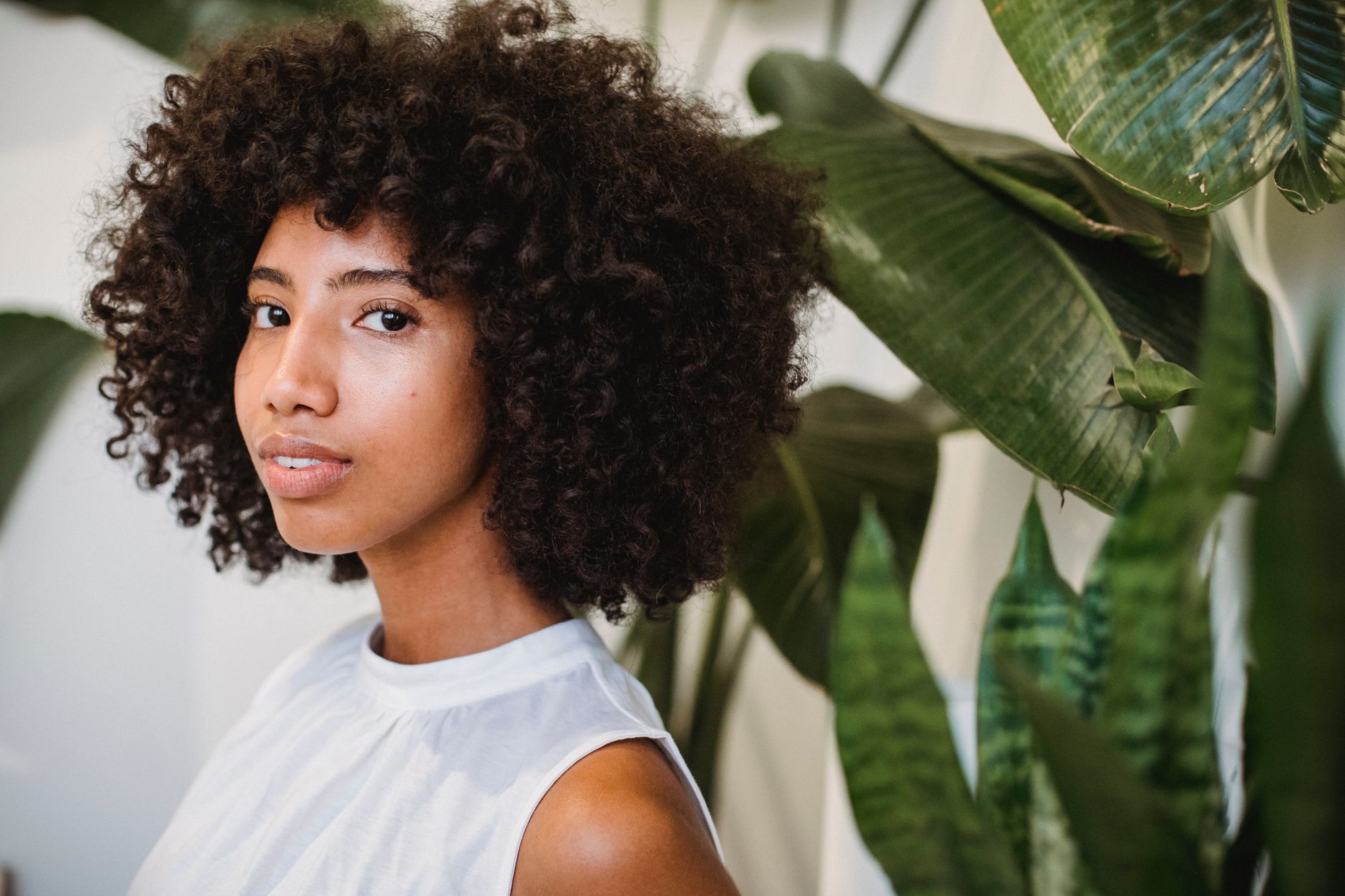
Many seek to achieve that effortlessly curly look, whether for a change or to embrace natural texture. The question arises: can you make your hair permanently curly without compromising its health? The answer involves exploring available methods, understanding associated risks, and determining the best approach for your unique hair type.
This detailed guide discusses various options for achieving permanent curls, including chemical treatments, heat methods, and natural techniques. As with any beauty endeavor, the process comes with potential risks and rewards that are essential to consider.
Can You Make Hair Permanently Curly?
Yes, it is possible to make hair permanently curly using various methods. However, the longevity and health of the curls depend significantly on the technique employed. Each method entails specific considerations, effectiveness, and potential risks for hair health.
Understanding Your Hair Type
Before committing to any styling method, it’s crucial to understand your hair type. Hair can generally be categorized based on texture, density, and porosity.
Texture
- Straight
- Wavy
- Curly
- Kinky
Density
- Fine
- Medium
- Thick
Porosity
- Low Porosity
- Medium Porosity
- High Porosity
Determining your hair’s texture, density, and porosity can help you tailor your curls and maintain hair health throughout the process.
Methods for Making Hair Permanently Curly
Chemical Perms
Chemical perms involve using a chemical solution to break and reform the hair’s bonds, allowing for long-lasting curls. This process typically requires a salon visit, as professional stylists are trained to handle the chemicals safely.
How it Works
- The hair is washed and sectioned.
- A softening agent is applied to break down the protein structure of the hair.
- Hair is wrapped around rods or curling tools in the desired curl pattern.
- A setting solution is applied to reform the bonds around the curlers.
- Once the desired time is reached, the solution is rinsed, and a neutralizer is applied.
Benefits
- Lasting results—curls can last for several months.
- Choice of curl size and style.
- Less daily styling effort once applied.
Risks
- Potential damage to the hair, leading to dryness and breakage.
- Allergic reactions to the chemicals involved.
- Uneven results if performed incorrectly.
Heat Techniques
Alternatively, you may consider heat techniques for shaping curls. While these methods are not classified as permanent, they can create longer-lasting effects when executed properly.
Tools Used
- Curling iron
- Hot rollers
- Flat iron (for beachy waves)
How to Do It
- Prep your hair with heat protectant.
- Section hair for even curling.
- Heat your curling tool as per the manufacturer’s instructions.
- Wrap small sections of hair around the tool, holding for a few seconds.
- Allow curls to cool before loosening them for a longer-lasting style.
Benefits
- Less risk of damage compared to chemical methods.
- Customizable curl types and sizes.
- Fast and can be done at home.
Risks
- Overuse can lead to heat damage.
- Not truly permanent; curls can fall flat over time.
- Requires daily styling efforts to maintain the look.
Natural Alternatives
If you prefer to avoid chemicals or excessive heat, natural methods exist that can help enhance your curls without long-lasting permanence. The downside is these approaches require more maintenance.
Techniques
- Braiding damp hair overnight to create waves.
- Using rollers or flexi-rods on damp hair.
- Employing sea salt sprays for a beachy look.
Benefits
- Gentle on hair; minimal risk of damage.
- Affordable and accessible options.
- Chance to experiment with styles without commitment.
Risks
- Results may not last as long as desired.
- May require more time to achieve the look.
- Open to humidity effects that can alter the style.
Caring for Curly Hair
Regardless of your chosen method for achieving curly hair, maintenance is critical to keep your locks healthy. Here are some essential tips for caring for curly hair:
Cleansing
- Opt for sulfate-free shampoos that won’t strip natural oils.
- Try co-washing (using conditioner to wash) for extra moisture.
- Limit washing frequency to maintain hydration and natural oils.
Conditioning
- Use a deep conditioner or treatment regularly to restore moisture.
- Consider leave-in conditioners for added hydration.
Styling Products
- Hair gel or mousse can help define curls without weighing them down.
- Avoid products with alcohol, as they can dry hair out.
- Use curl creams for hold and definition.
Drying Techniques
- Consider air-drying to reduce heat damage.
- When using heat, apply a thermal protectant first.
- Use a microfiber towel or T-shirt to squeeze excess water without frizz.
Common Mistakes to Avoid
When attempting to achieve and maintain curly hair, be mindful of common mistakes that can contribute to lackluster results or damage. Here are a few to watch out for:
- Overwashing your hair, leading to dryness.
- Using the wrong products for your hair type.
- Forgetting to use heat protectant when styling with heat.
- Neglecting regular trims can lead to split ends and dull-looking curls.
- Not testing products before using them can result in unwanted reactions.
A Realistic Timeline for Curly Hair Transformation
Setting realistic expectations is vital when transitioning from straight to curly hair. Depending on the method you choose, the time to noticeable curls varies:
| Method | Time to Achieve Desired Curls | Longevity |
|---|---|---|
| Chemical Perms | 1-2 hours (salon time) | 3-6 months |
| Heat Styling | 1-2 hours (depending on hair length) | Hours to days, depending on upkeep |
| Natural Techniques | Varies (overnight to daily effort) | Hours to a day, requiring regular redoing |
Final Thoughts
Choosing to make your hair permanently curly is a significant decision that requires careful consideration of various methods and the potential risks involved. Ensuring the health of your hair through proper maintenance and care can help you enjoy your new curls without compromising your hair’s quality.
Ultimately, whether you opt for a chemical perm, heat styling, or natural techniques, choose the option that aligns best with your hair type, lifestyle, and preferences. Always remember to prioritize your hair’s health and consult with professionals where necessary.
Curly hair can be a wonderful source of expression, and with the right techniques, anyone can embrace those beautiful curls. For additional tips on achieving curly hair, consider exploring our guides on how to make your hair curly and how to grow curly hair.