
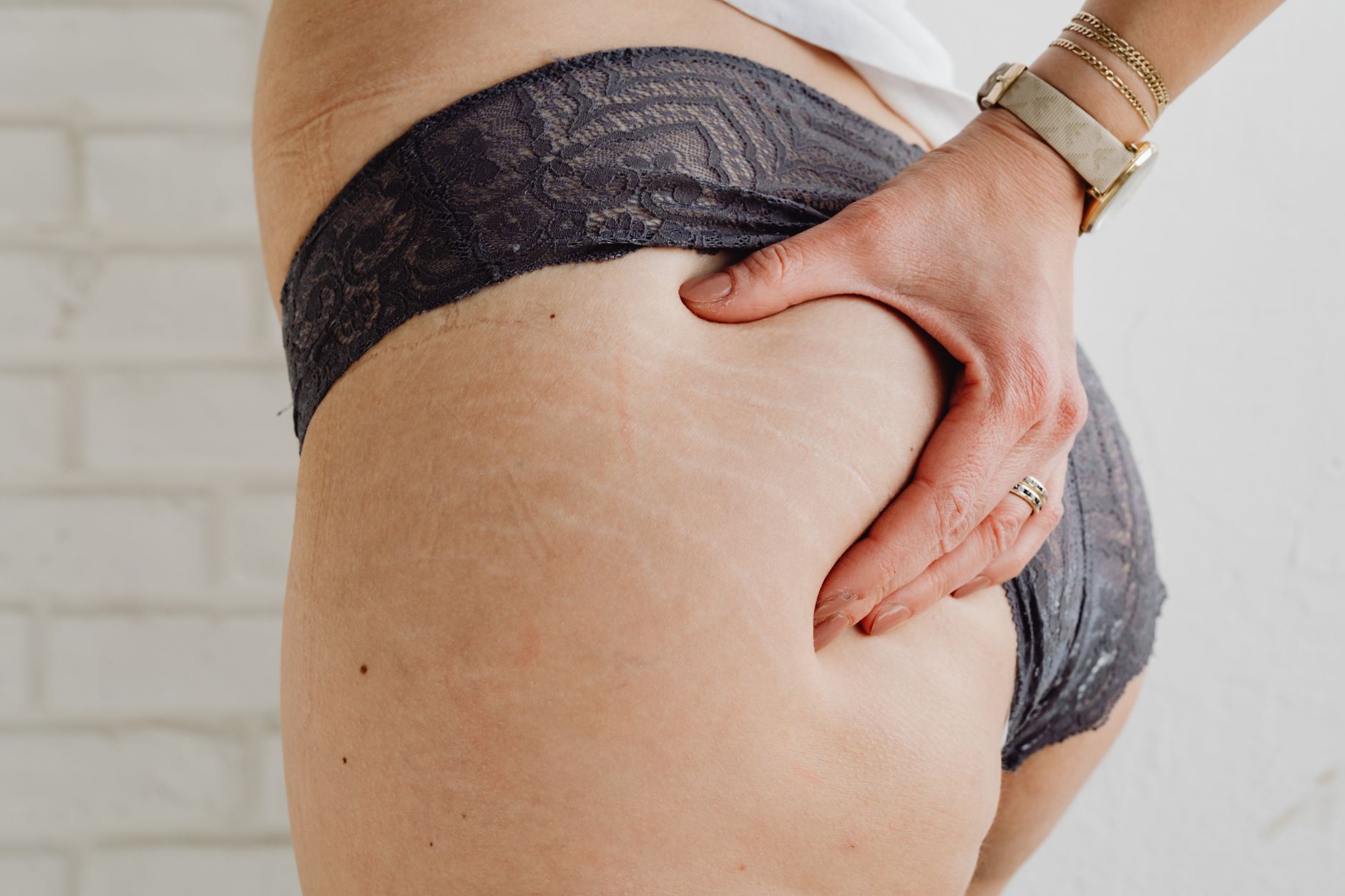
Stretch marks, known scientifically as striae, are a common skin concern for various reasons, including pregnancy, rapid weight gain or loss, and puberty. They can often be seen as a cosmetic issue, prompting people to ask: Can you get rid of stretch marks? This article will dive into the available evidence and practical options to consider.
While it’s important to note that completely eliminating stretch marks may not be realistic for everyone, there are various ways to potentially reduce their appearance. This guide will help you understand what you can do about stretch marks, the treatments available, and practical tips to incorporate into your routine.
Can You Get Rid of Stretch Marks?
Stretch marks are often considered permanent but can fade over time and become less noticeable. Various options exist for reducing their appearance, including topical treatments, procedures, and lifestyle changes. However, results can vary significantly from person to person.
Understanding Stretch Marks
To effectively address stretch marks, it’s essential to first understand what they are. Stretch marks occur when the skin is stretched rapidly due to factors like hormonal changes, which affect the skin’s elasticity. Here’s a closer look at these factors:
- Hormonal Changes: Fluctuations in hormones can weaken the skin’s collagen and elastin, making it more susceptible to stretch marks.
- Genetics: Some individuals are genetically predisposed to develop stretch marks.
- Skin Type: The color and texture of your skin can influence how noticeable stretch marks are.
- Developmental Stages: Growth spurts during puberty often lead to stretch marks, particularly in the thighs, hips, and breasts.
Preventing Stretch Marks
While it’s not always possible to prevent stretch marks entirely, some practices may reduce the likelihood of developing them:
- Stay Hydrated: Keeping your skin hydrated can help maintain its elasticity.
- Healthy Diet: Consuming a balanced diet rich in vitamins C, E, zinc, and silica can promote skin health.
- Moisturizing: Regularly applying moisturizers can improve skin elasticity.
- Gentle Weight Management: Maintaining a stable weight can minimize sudden stretching of the skin.
Treatments for Stretch Marks
Various treatments claim to reduce the appearance of stretch marks. Here’s a breakdown of the most commonly used methods:
1. Topical Treatments
Many over-the-counter creams and oils claim to reduce stretch marks. Here are some ingredients to look for:
- Retinoids: These vitamin A derivatives may help promote collagen production, making them effective for existing stretch marks.
- Hyaluronic Acid: Known for its moisturizing properties, this ingredient can help improve skin elasticity.
- Cocoa Butter: Often used for its hydrating properties, cocoa butter may help to maintain skin moisture, although scientific evidence on its effectiveness for stretch marks is limited.
- Shea Butter: Similar to cocoa butter, shea butter is known for its moisturizing benefits.
While these products might not completely eliminate stretch marks, they can help to soften their appearance. It is essential to apply them consistently and be patient with the results.
2. Medical Treatments
If topical treatments are not effective, medical options may be more suitable. Consult with a dermatologist regarding the following treatments:
- Laser Therapy: Laser treatments can stimulate collagen production in the skin, promoting healing and reducing the appearance of stretch marks.
- Chemical Peels: This technique involves applying a chemical solution to the skin to exfoliate the top layers, which may help improve skin texture and reduce the visibility of stretch marks.
- Microdermabrasion: This facial treatment exfoliates the outer layer of skin, potentially smoothing the appearance of stretch marks.
- Microneedling: A dermatologist uses fine needles to create micro-injuries in the skin, stimulating collagen production and potentially reducing stretch marks.
Realistic Expectations
When considering treatments for stretch marks, it’s important to have realistic expectations about the outcomes. Here are some key points to keep in mind:
- Complete removal of stretch marks may not be possible.
- Some treatments may take time to show results, and multiple sessions may be required.
- Individual results vary based on skin type, color, and the age of the stretch marks.
Consultation with a skincare professional can help you navigate which options may better suit your needs. They can also help you avoid potential side effects and guide you on the best path forward.
Home Remedies
Many individuals turn to home remedies for stretch marks, often in pursuit of more natural or low-cost solutions. While these methods may not have scientific backing, they are popular among those looking for alternative approaches:
- Olive Oil: Known for its moisturizing properties, massaging olive oil into the affected areas may help improve skin appearance.
- Natural Oils: Almond oil and coconut oil can be used similarly to maintain skin hydration.
- Aloe Vera: This plant has soothing properties that can help moisturize the skin.
- Vitamin E: Some believe that applying vitamin E oil may help reduce the appearance of stretch marks due to its antioxidant properties.
Using Home Remedies Safely
While trying home remedies, keep these safety tips in mind:
- Always perform a patch test to check for allergic reactions.
- Do not apply undiluted essential oils directly to the skin.
- Consult with a healthcare provider if you experience any irritation or adverse effects.
Maintaining Skin Health
Whatever method you choose, maintaining overall skin health is essential. Here are some tips for caring for your skin:
- Regular Cleansing: Keep your skin clean to prevent clogged pores and promote overall health.
- Moisturize: Daily moisturizing can help keep your skin hydrated and protect its barrier function.
- Sun Protection: Always apply sunscreen to protect your skin from UV damage, which can exacerbate the appearance of stretch marks.
- Balanced Diet: A healthy diet contributes to skin health and elasticity.
Common Mistakes to Avoid
As you tackle the challenge of managing stretch marks, be aware of common mistakes that many people make:
- Using too many products at once can irritate the skin.
- Not following product instructions correctly can lead to subpar results.
- Expecting immediate results can lead to disappointment.
- Neglecting to consult with a professional before starting treatments may lead to the wrong approach.
When to Seek Professional Help
If you’re struggling with stretch marks and over-the-counter treatments haven’t given you satisfaction, or if they are causing you distress, it might be time to speak to a dermatologist. Here are situations where professional help is warranted:
- If your stretch marks are rapidly changing or associated with other symptoms.
- If you have concerns about skin health or underlying conditions.
- If you want a tailored treatment plan based on your skin type and individual needs.
Conclusion
Stretch marks can be a common skin concern that many face at different life stages. While you may not completely get rid of them, various treatments may help reduce their appearance. The most effective approach often involves a combination of healthy lifestyle choices, topical treatments, and possibly professional interventions.
Start by assessing your needs and considering how treatments can fit into your skincare routine. Whether you opt for home remedies, over-the-counter products, or professional assistance, it’s crucial to approach your skincare journey with realistic expectations and patience.
Explore related beauty guides and routines, such as how to tighten skin after weight loss and how to get rid of cellulite on legs, to continue enhancing your skincare knowledge.