
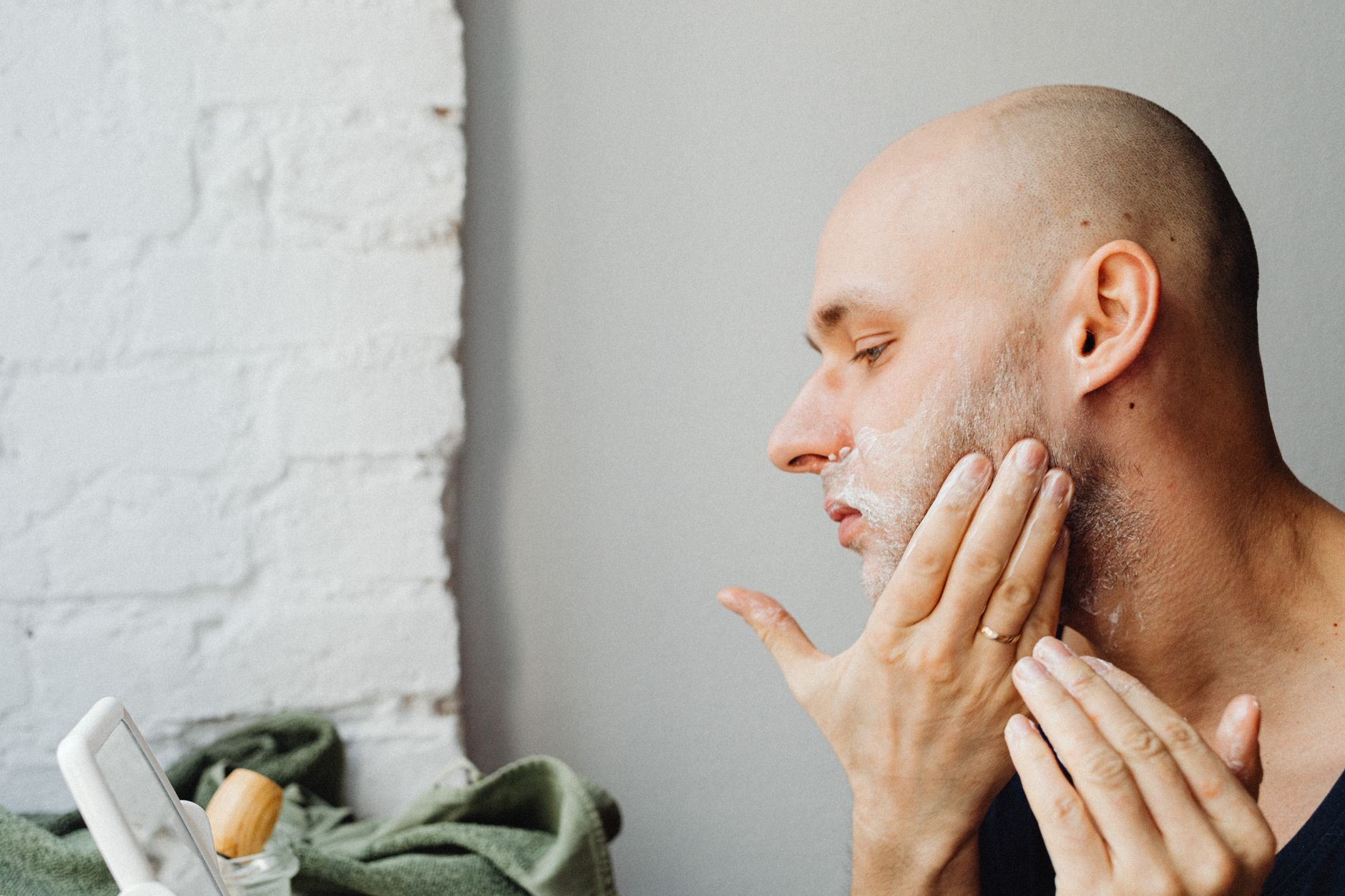
Beard oil has become a staple in grooming routines for men, promising not only to soften and condition facial hair but also to promote growth. As the market for men’s grooming products expands, many wonder: does beard oil actually help with beard growth?
In this article, we will explore the benefits and potential risks of using beard oil, the ingredients commonly found in these products, and the research surrounding their effectiveness in promoting beard growth.
Does Beard Oil Help Growth?
While beard oil may not directly stimulate beard growth, it can create an optimal environment for hair to grow by moisturizing the skin and hair follicles. Using beard oil can significantly enhance the overall health and appearance of facial hair, which is essential for those aiming to grow a fuller beard.
The Role of Beard Oil
Beard oil is primarily used to hydrate and nourish both the hair and the skin beneath it. It usually contains a blend of carrier oils and essential oils that work together to provide moisture, reduce itchiness, and improve the texture of facial hair.
Here’s how beard oil can play a role in beard growth:
- Moisturization: Keeping the skin and hair moisturized prevents dryness and flakiness, promoting a healthier environment for hair growth.
- Reduced Breakage: Conditioning the beard hair helps reduce breakage, allowing for longer growth over time.
- Soothing Irritation: Beard oil can help alleviate skin irritation, which may encourage individuals to avoid trimming or shaving due to discomfort.
Ingredients in Beard Oil
The effectiveness of beard oil largely depends on its ingredients. Understanding these components can help you choose the right product for your needs.
Carrier Oils
Carrier oils form the base of most beard oils. They are diluted oils derived from seeds, nuts, or fruits and are known for their moisturizing properties. Common carrier oils include:
- Jojoba Oil: Similar to the natural oils produced by the skin, it helps to balance oil production and lock in moisture.
- Argan Oil: Rich in essential fatty acids and vitamin E, this oil nourishes and softens the beard, making it more manageable.
- Coconut Oil: With antimicrobial properties, it can promote a healthy scalp and beard while adding moisture.
- Sweet Almond Oil: Known for its moisturizing and nourishing properties, it helps smooth and soften facial hair.
Essential Oils
Essential oils are often added for fragrance and potential benefits. Some essential oils may support hair health and stimulate follicles, although research in this area is limited. Common examples include:
- Tea Tree Oil: Known for its antiseptic properties, it can help maintain a healthy scalp.
- Peppermint Oil: Some studies suggest it may promote blood circulation to the hair follicles.
- Lavender Oil: Known for its calming scent and potential antifungal properties, it may also help with skin irritation.
Benefits of Using Beard Oil
Aside from potential growth benefits, using beard oil provides extensive advantages for grooming and maintaining facial hair:
Improved Texture and Appearance
Regular use of beard oil can transform coarse, unruly hair into a softer and shinier beard. This not only enhances your overall appearance but also makes styling easier.
Healthy Skin Beneath the Beard
The skin under your beard is just as important as the hair itself. Beard oil hydrates and nourishes this area, preventing dryness and flakiness that can lead to discomfort and irritation.
Fragrance
Beard oil can impart a pleasant scent to your facial hair, adding an element of personal grooming that enhances your overall presence. The fragrance varies based on the essential oils used, allowing for a customizable experience.
Anti-Inflammatory Properties
Some ingredients in beard oil, like tea tree oil and lavender oil, have anti-inflammatory properties that can help soothe irritation and reduce redness, especially after shaving.
Potential Risks of Using Beard Oil
While beard oil can be beneficial, it is important to approach its use with caution:
Allergic Reactions
Some individuals may be sensitive or allergic to certain oils. Always perform a patch test before applying new products to your beard or skin.
Buildup
Overusing beard oil can lead to residue buildup, especially if you’re using a thick carrier oil that clogs pores. Consider adjusting the quantity or frequency of use based on your hair type and length.
Essential Oil Sensitivities
Essential oils, while generally safe, can irritate sensitive skin. Opt for products with lower concentrations of essential oils if you have sensitive skin.
Research Insights
Scientific research around beard oils specifically is limited, especially regarding their effect on beard growth. However, general studies on hair health provide insights.
For instance, peppermint oil has been shown in some studies to encourage hair growth in other areas, such as the scalp. More research is needed to directly link these findings to beard growth.
Additionally, maintaining healthy skin and hair through proper hydration is well documented as being critical for hair growth, suggesting that beard oil could indirectly support beard health.
How to Use Beard Oil
Follow these steps to incorporate beard oil into your grooming routine effectively:
- Wash Your Beard: Start with a clean beard. Use a mild beard wash to remove dirt and excess oils.
- Pat Dry: Gently pat your beard dry with a towel. Avoid rubbing vigorously to prevent tangling.
- Dispense Oil: Pour a few drops of beard oil into your palm. The amount can vary based on the length and thickness of your beard—generally, 2-4 drops is sufficient for short beards, while longer beards may require more.
- Warm the Oil: Rub your hands together to warm the oil. This helps it spread more evenly across your beard.
- Apply Evenly: Start from the roots of your beard and work your way outwards, ensuring even coverage.
- Comb or Brush: Use a beard comb or brush to distribute the oil evenly and style as desired.
Choosing the Right Beard Oil
Selecting the right beard oil can significantly affect your experience. Consider the following factors:
- Skin Type: If you have sensitive skin, look for oils with gentle, natural ingredients and avoid heavy fragrances.
- Beard Length: Long beards may require thicker oils, while shorter beards may benefit from lighter formulations.
- Ingredient Preference: Research the ingredients to ensure they align with your grooming goals and sensitivities.
- Fragrance: Choose a scent that you enjoy, as you’ll wear it daily.
Common Mistakes to Avoid
To maximize beard oil’s benefits, here are some common mistakes to avoid:
- Overuse: Applying too much oil can lead to buildup and a greasy appearance.
- Skipping Application: Consistency is key. Skipping days can lead to dryness and irritation.
- Ignoring the Skin: Focus on the skin underneath the beard as much as the hair itself for overall health.
Setting Realistic Expectations
It’s essential to maintain realistic expectations when using beard oil. While it can improve the appearance and health of your beard, it is not a miracle product that guarantees rapid growth. Growth varies based on genetics, diet, health, and individual hair characteristics.
Typically, beard hair grows at an average of half an inch per month. Beard oil can help you maintain a healthy environment for this growth, but it won’t accelerate the process. Instead, focus on the overall grooming experience that beard oil provides.
Conclusion
Beard oil can significantly contribute to the overall health and aesthetic of your facial hair, helping to create a softer, fuller appearance while promoting a healthy skin environment. While it may not directly stimulate growth, the benefits it offers—like moisturization, reduced irritation, and improved texture—make it worthwhile for anyone looking to enhance their beard.
To get started, consider simplifying your beard care routine by incorporating quality beard oil tailored to your specific needs. Regular and proper use can lead to the best results, turning your beard into a feature you’ll be proud to showcase.
For more tips on beard care, check out our guide on how to use beard oil and learn the best methods to grow a fuller beard.