
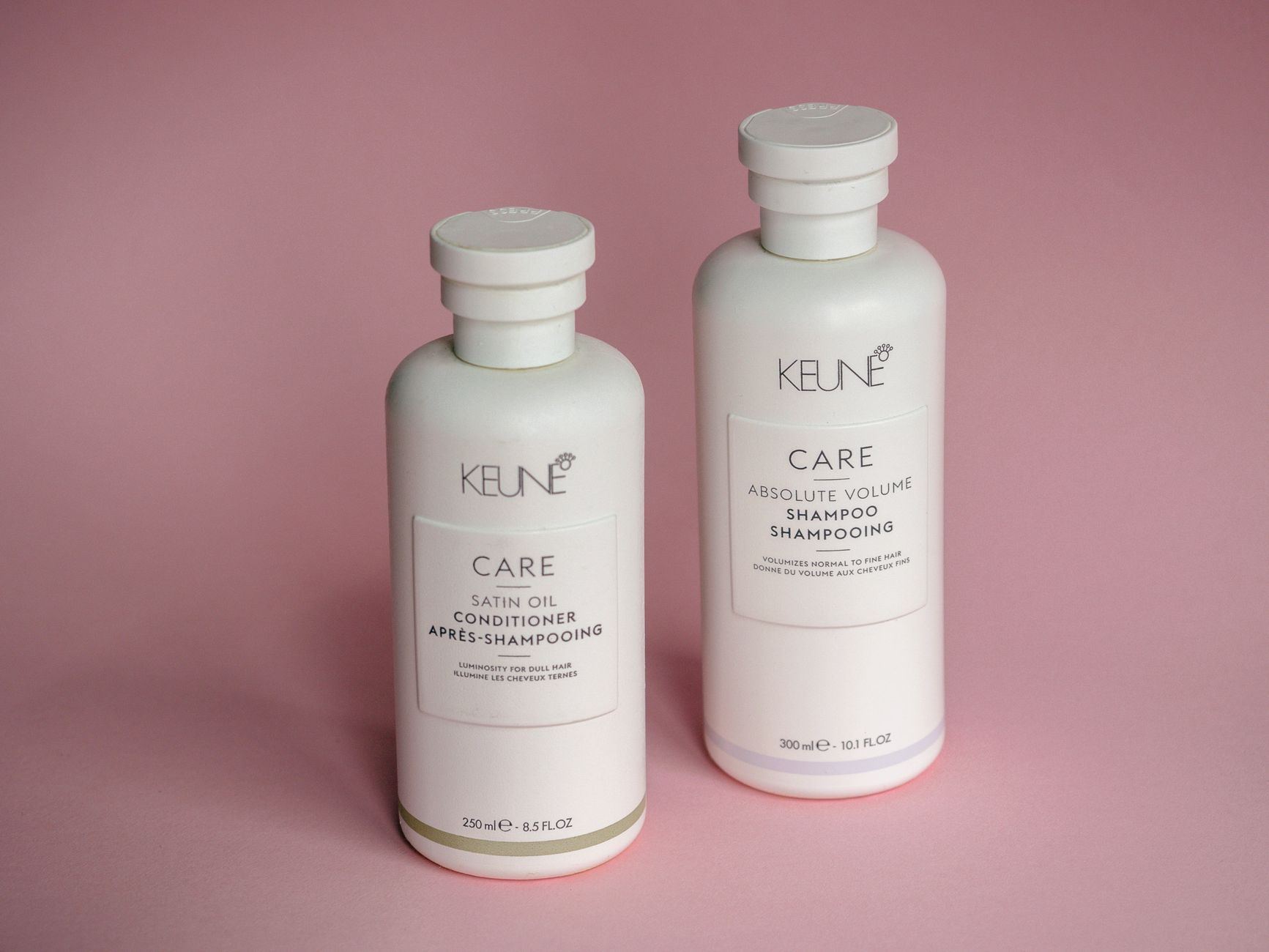
Having hair that becomes greasy quickly can be frustrating and often leads to excessive washing or a feeling of insecurity. Understanding why your hair gets greasy so fast is essential in addressing the root causes and finding effective solutions.
In this article, we will explore common reasons for greasy hair, tips on how to manage it, and the best practices for achieving a refreshed, oil-free mane.
Why Does My Hair Get Greasy So Fast?
Hair can become greasy quickly due to factors such as overactive sebaceous glands, hair type and texture, product buildup, diet and health, and environmental influences. Identifying these causes can help in developing a tailored hair care routine.
Understanding Sebum Production
The scalp is home to sebaceous glands that produce sebum, a natural oil. While sebum is essential for healthy hair, too much can lead to greasiness. Here’s how sebaceous activity relates to your hair condition:
- Genetics: Some people naturally produce more sebum than others.
- Hormonal Changes: Hormones often spike during puberty, menstruation, pregnancy, and menopause, leading to increased oil production.
- Diet: A diet high in sugar, dairy, or saturated fats can influence sebum production.
Common Causes of Greasy Hair
To better understand why your hair gets greasy, let’s delve into specific factors that can contribute to this issue.
1. Overwashing
Ironically, washing your hair too frequently can lead to an increase in oil production. As you strip your scalp of its natural oils, the sebaceous glands may compensate by producing more oil.
- Solution: Aim to wash your hair 2-3 times a week, gradually adjusting based on how your scalp responds.
2. Hair Texture
Different hair types have varying oil retention qualities. For example, fine hair tends to get greasy faster than coarse hair. This is because oil can travel more easily down the hair shaft, making fine hair look flat and oily more quickly.
- Solution: Use lightweight shampoos designed for fine hair that won’t weigh it down while effectively cleansing oil.
3. Product Buildup
Using too many styling products or heavy conditioners can create buildup, which can make hair appear greasy.
- Solution: Consider a clarifying shampoo every few weeks to remove buildup and refresh your scalp. Look for formulations that specifically state they remove residue.
4. Scalp Health
An unhealthy scalp could be a significant contributor to greasy hair. Dryness, irritation, or an excess of dead skin cells may cause the scalp to overproduce oil.
- Solution: Use a gentle exfoliating scalp scrub once a week to promote scalp health and balance oil production.
5. Diet and Lifestyle
Your diet can influence oil levels as certain foods may trigger increased sebum production. Stress and lack of sleep also affect hormone levels, which can exacerbate greasiness.
- Solution: Maintain a balanced diet rich in fruits, vegetables, and healthy fats, and try to incorporate stress-relief practices such as meditation or yoga.
6. Environmental Factors
Humidity and pollution can also affect oil levels in your hair. Humidity can lead to excess moisture, while pollution can lead to buildup on your scalp and hair.
- Solution: Protect your hair from pollution when outside; consider wearing hats or using leave-in products with protective ingredients.
How to Manage Greasy Hair
Addressing greasy hair involves creating a routine that helps balance sebum production without causing irritation or excessive dryness. Here are some practical steps:
1. Choose the Right Shampoo
Selecting the right shampoo is essential for managing oil. Look for the following types:
- Clarifying shampoos: Designed to deeply cleanse and remove buildup.
- Shampoos for oily hair: Formulations that control oil without stripping the scalp.
- Natural shampoos: Opt for organic ingredients that are less harsh on your hair.
2. Implement a Washing Routine
Establish a washing routine that suits your hair type. As mentioned earlier, aim for 2-3 washes per week. When washing:
- Wet your hair thoroughly.
- Apply a small amount of shampoo and lather gently.
- Focus on the scalp, and let the suds wash down to the ends.
- Rinse thoroughly and follow with a conditioner focused on mid-lengths to ends.
3. Dry Shampoo
On non-wash days, dry shampoo can be a lifesaver. It absorbs excess oil and refreshes your hair:
- Choose a dry shampoo formula that matches your hair color.
- Spray or sprinkle onto roots, and wait a minute before massaging it in.
4. Limit Heat Styling
While heat can help style hair, it can also stimulate oil production. Try to limit the use of styling tools like straighteners and dryers.
- Solution: Embrace air-drying when possible and use heat protectant sprays when styling.
5. Avoid Touching Your Hair
Frequently touching your hair can transfer oils from your hands to your strands. Try to keep your hands off your hair as much as possible.
6. Hair Accessories
Hair accessories can help keep hair out of your face and create different styles. Consider trying:
- Headbands: To keep hair from getting oily at the roots.
- Ponytails or buns: Styles that also limit touching your hair.
When to Consult a Professional
If greasy hair persists despite following recommended strategies, it may be worthwhile to visit a trichologist or dermatologist. They can help diagnose underlying conditions such as:
- Dandruff or scalp dermatitis
- Hormonal imbalances
- Potential scalp infections
Key Takeaways
Managing greasy hair requires understanding the causes, incorporating the right products, and establishing a consistent routine. Here are the key points:
- Identify potential causes of greasiness
- Opt for suitable shampoos and conditioners
- Limit the frequency of washes to avoid stimulating oil production
- Embrace healthy lifestyle choices, including a balanced diet
- Don’t hesitate to seek advice from professionals if necessary
By pinpointing the reason behind your greasy hair and implementing these strategies, you can achieve healthy, manageable hair more efficiently. Remember that everyone’s hair is unique; finding what works best may take some trial and error.
If you’d like to explore more beauty tips, check out our guides on how to fix frizzy hair or learn whether coconut oil is good for your hair. Embrace your hair journey and find what suits you best!