
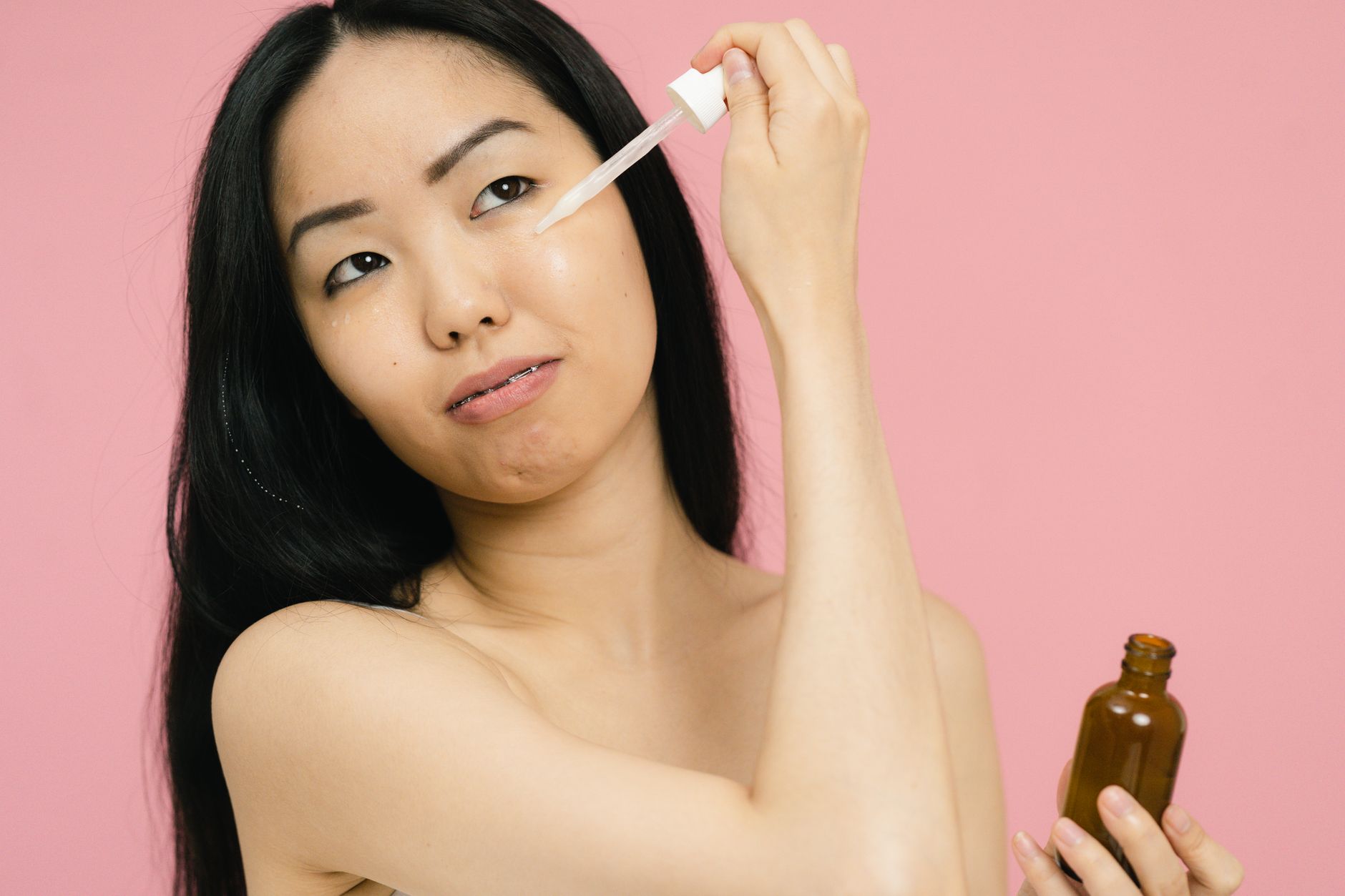
Keeping your skin hydrated is key to achieving a radiant and healthy complexion. Whether you experience dryness, flakiness, or a tight feeling in your skin, knowing how to properly hydrate your skin can make all the difference. This guide will cover essential routines, product recommendations, and expert tips to help you find the best approach to hydration.
Understanding how to hydrate skin effectively involves knowing your skin type, recognizing hydration techniques, and selecting products that suit your individual needs. With a few adjustments to your daily routine, you can maintain supple and nourished skin all year round.
How to Hydrate Skin: What’s the Best Way?
To effectively hydrate your skin, establish a routine that focuses on moisturizing, maintaining a good barrier, and layering products. This includes using the right type of hydrating ingredients, regular application, and knowing when to apply them. Ultimately, a well-planned routine can significantly improve your skin’s hydration levels.
Understanding Skin Types and Hydration Needs
Different skin types have unique hydration needs. Understanding your skin type is crucial for selecting the right products and establishing an effective hydration routine.
- Dry Skin: Often feels tight and looks flaky. Choosing rich creams and products with occlusive ingredients can provide essential moisture.
- Oily Skin: Usually appears shiny, but can still be dehydrated. Lightweight, oil-free moisturizers and gel formulas are ideal.
- Combination Skin: Features both dry and oily areas. Layering products while paying attention to different zones is necessary.
- Sensitive Skin: Reacts easily to products and may experience redness. Look for fragrance-free products and those with soothing ingredients.
Essential Steps for Hydrating Your Skin
Creating a consistent skin hydration routine can help you maintain a healthy glow. Here’s a simple routine to follow, separating morning and evening steps.
Morning Routine
- Cleansing: Start with a gentle cleanser to remove any overnight oils or impurities. Avoid stripping cleansers, which can lead to further dryness.
- Toning: Follow with a toner containing hydrating ingredients like hyaluronic acid or glycerin. This step helps prep the skin for better product absorption.
- Serum: Use a hydrating serum that includes ingredients like hyaluronic acid, vitamin E, or squalane. Serums offer concentrated hydration.
- Moisturizing: Choose a lightweight moisturizer or gel cream to lock in hydration. Look for formulations that provide long-lasting moisture.
- SPF: Finish with a broad-spectrum sunscreen to protect the skin from UV damage. Sun protection is crucial for maintaining skin health and preventing dehydration.
Evening Routine
- Cleansing: Remove makeup and cleanse the skin thoroughly to allow products to penetrate effectively overnight.
- Toning: Reapply your hydrating toner to replenish moisture post-cleansing.
- Serum: Consider a nighttime serum with moisturizing and repairing properties, such as a retinol-infused serum if your skin can tolerate it.
- Moisturizing: Use a richer night cream or an occlusive layer to seal in moisture. Ingredients like shea butter or ceramides are great for this step.
Popular Hydrating Ingredients to Look For
When selecting products for your hydration routine, certain ingredients are especially effective at retaining moisture. Here are some key hydrating components to look for:
- Hyaluronic Acid: This ingredient can hold over 1,000 times its weight in water, making it ideal for hydration.
- Glycerin: A humectant that draws moisture from the environment into the skin.
- Ceramides: Help restore the skin barrier and prevent moisture from escaping.
- Squalane: A lightweight oil that hydrates and nourishes the skin without clogging pores.
- Urea: Adds moisture to the skin while exfoliating to improve texture.
Product Recommendations for Hydrating Skin
Choosing the right products can enhance your hydration routine. Below are product categories with examples of suitable products that commonly feature effective ingredients. Be sure to check the specific ingredients for best results.
- Cleansers: Look for cream-based, hydrating cleansers that do not strip the skin.
- Toners: Hydrating toners with rose water, flower essences, or botanical extracts are excellent choices.
- Serums: Opt for serums rich in hyaluronic acid or glycerin, tailored to your skin type.
- Moisturizers: Choose moisturizer formulas that match your skin type—gel for oily skin, cream or balm for dry skin.
- SPF: Always include a moisturizer with SPF during the day for additional sun protection.
Expert Tips for Better Skin Hydration
In addition to following a structured routine, consider these expert tips to boost your skin’s hydration:
- Drink Plenty of Water: Hydrating from the inside out is essential. Aim for at least 8 glasses of water a day.
- Humidity Matters: Use a humidifier in dry environments, especially during winter months, to maintain skin moisture.
- Avoid Hot Showers: Though soothing, hot water strips the skin of natural oils. Opt for lukewarm water instead.
- Exfoliate Wisely: Regular exfoliation improves product absorption but be cautious not to over-exfoliate, which can lead to irritation.
- Layer Products: When applying multiple hydrating products, apply them from thinnest to thickest to lock in moisture effectively.
Common Mistakes to Avoid When Hydrating Skin
While establishing a good skincare routine is important, it’s equally crucial to be aware of common pitfalls. Here are typical mistakes to avoid:
- Using Alcohol-Based Products: These can dry the skin and disrupt its natural barrier.
- Skipping Moisturizer: Even oily skin types should use a moisturizer to maintain hydration levels.
- Neglecting Sunscreen: Sun exposure can dehydrate skin, so always apply SPF daily.
- Overloading Products: Using too many products at once may irritate the skin rather than improve hydration.
- Ignoring Seasonal Changes: Adapt your routine based on climate changes; products that work during summer might not suffice in winter.
Signs Your Skin Needs More Hydration
Understanding when your skin needs hydration can help you adjust your routine effectively. Common signs include:
- Feeling tight or itchy.
- Dry patches or flakiness.
- Rough texture or dull appearance.
- Increased redness or sensitivity.
- Excessive oil production as a response to dryness.
Realistic Expectations from Your Hydration Routine
While a well-tailored hydration routine can lead to remarkable improvements, it’s essential to manage expectations. Skin hydration is a gradual process that requires consistent effort. You may not see instant results, and that’s normal. Expect a gradual improvement in texture, elasticity, and overall appearance as you follow your routine diligently.
Being patient while monitoring your skin’s responses will eventually lead to better hydration and comfort. If you encounter persistent issues or severe dryness, it may be beneficial to consult a dermatologist for personalized advice.
Hydration is not a one-time fix but a long-term commitment to maintaining your skin’s health. Adapting your routine to your unique needs creates a foundation for supple, hydrated skin.
In summary, creating a hydration routine involves understanding your skin type, using the right products, and maintaining consistency in your regimen. Start with the basics and gradually introduce more complex products as needed. The path to hydrating skin is one that balances the right techniques and conscious product selection.
For further skincare tips, you can explore guides like how to treat dry skin on the face or how to hydrate hair, which can enhance your overall beauty regimen. Remember, a beautiful complexion starts with proper hydration!