
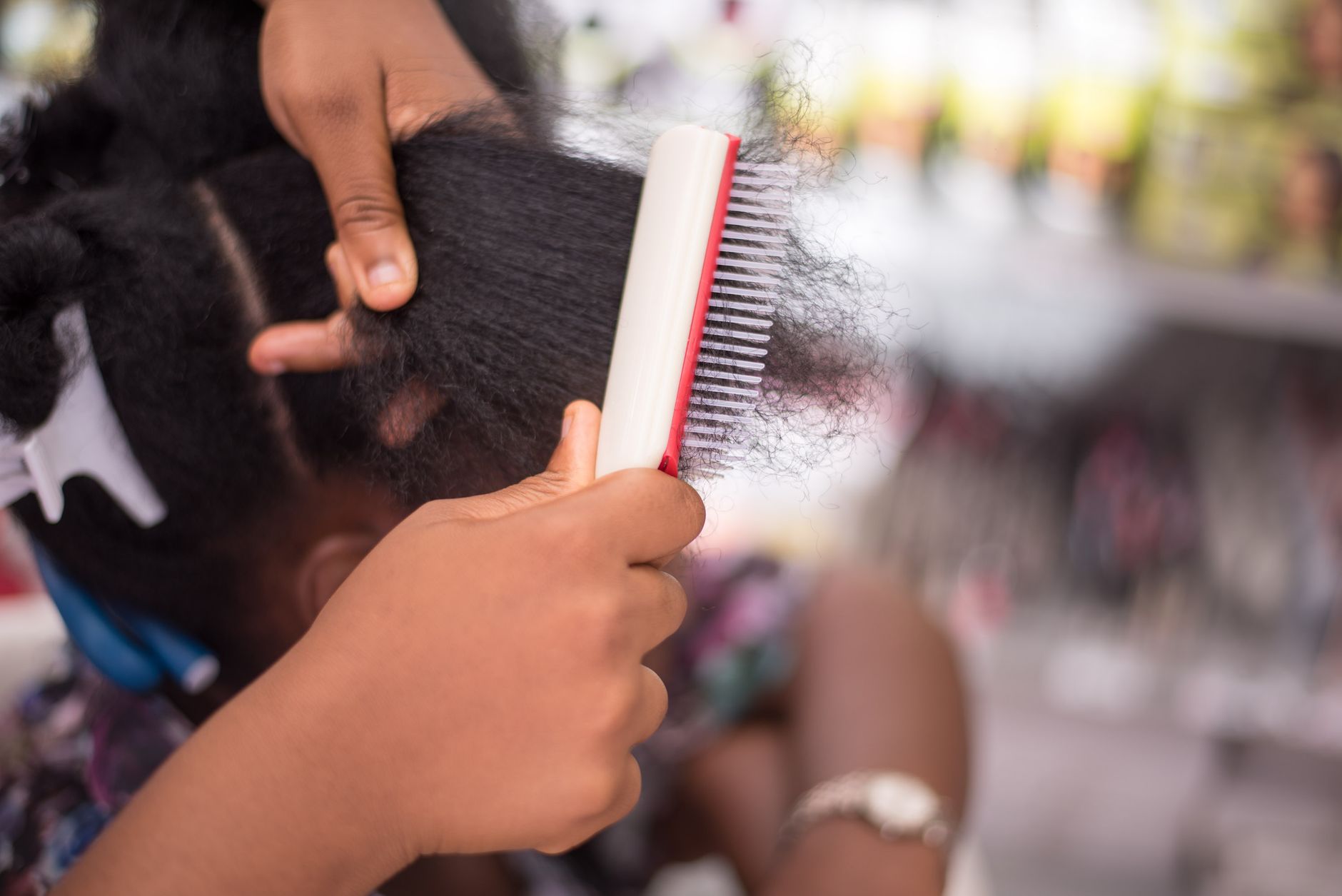
Dealing with tangled hair can be a frustrating experience for many. Whether you have long locks or short strands, tangling can occur for various reasons related to hair texture, environmental factors, and hair care routines. Understanding why your hair tangles so easily is the first step toward managing it effectively.
This article will explore common reasons behind tangling, offer practical solutions, and provide hair care tips to help you maintain smooth, manageable hair.
Why Does My Hair Tangle So Easily?
Hair can tangle easily for several reasons, including texture, dryness, damage, and environmental factors. Identifying these causes allows you to implement targeted strategies to reduce tangling and improve the overall health of your hair.
Common Causes of Tangles
Understanding the reasons behind tangling can help you address the issue more effectively. Here are some of the most common causes:
1. Hair Texture
Your hair type plays a significant role in how easily it tangles. Curly, wavy, and textured hair tends to tangle more than straight hair due to the shape of the hair strands.
- Curly Hair: Curly strands often interlock and twist together, leading to tangles. The texture can make it harder for natural oils from the scalp to distribute evenly along the hair shaft, contributing to dryness and frizz.
- Wavy Hair: Wavy hair can also encounter tangling as the waves can create knots, especially if they become dry or frizzy.
- Straight Hair: While less prone to tangling, straight hair can still tangle if it’s fine or damaged.
2. Dryness and Lack of Moisture
Dry hair is often more prone to tangling because lack of moisture can make hair brittle and rough. When hair lacks hydration, it can create friction between strands, increasing the likelihood of knots.
3. Damage and Breakage
Hair that has been chemically treated, colored, or frequently styled with heat can suffer from damage. Split ends and rough cuticles make it easier for strands to intertwine and tangle. Damage can result from:
- Chemical treatments (relaxers, perms, coloring)
- Frequent heat styling
- Environmental factors such as sun exposure or pollution
4. Improper Hair Care Routine
Your hair care routine can significantly impact the health of your hair. Using the wrong products or techniques can lead to tangling. Common mistakes include:
- Over-washing or under-washing hair.
- Skipping conditioner, which helps to detangle and moisturize.
- Using heavy styling products that can build up and cause knots.
5. Environmental Factors
Humidity, wind, and temperature changes can affect how your hair behaves. For instance:
- Humidity: High humidity can lead to frizz, causing strands to stick together.
- Wind: Wind can cause hair to whip around, leading to tangles.
- Cold Weather: Cold, dry air can strip moisture from your hair.
6. Using the Wrong Tools
The tools you use to style or brush your hair can make a big difference. Using the wrong brush or comb can contribute to tangling. For example:
- A stiff-bristled brush may cause breakage and create knots.
- An old or damaged comb may snag hair cuticles, leading to tangling.
How to Help Prevent Tangling
Tackling the root causes of tangling can make a significant difference. Here are some effective strategies to help manage and prevent tangling:
1. Choose the Right Products
Using the right hair care products is crucial. Look for products labeled as “hydrating,” “detangling,” or “smoothing.” Key product types to consider include:
- Shampoo: Use a sulfate-free shampoo that cleanses without stripping natural oils.
- Conditioner: A good conditioner is essential for locking in moisture and preventing knots.
- Leave-in Conditioner: Helps with detangling and provides an extra layer of moisture.
- Hair Oil: A lightweight oil can help tame frizz and add shine, reducing friction.
2. Develop a Gentle Hair Washing Routine
The way you wash your hair can also contribute to tangling:
- Start by gently detangling your hair before washing to remove any knots.
- Use lukewarm water to wash your hair, as hot water can strip moisture.
- Apply conditioner generously, focusing on the ends.
- Rinse thoroughly to avoid build-up.
3. Detangle with Care
Detangling is often where tangles are made worse. Follow these steps for a better approach:
- Always detangle when your hair is damp or wet, not dry.
- Use a wide-tooth comb or a specialized detangling brush.
- Start from the ends and work your way up to prevent pulling.
- Apply a detangling spray or leave-in conditioner to smooth the process.
4. Protect Your Hair While Sleeping
The way you treat your hair at night can help reduce tangling:
- Consider using a silk or satin pillowcase, which causes less friction than cotton.
- Try loosely braiding your hair or using a loose bun to minimize movement while sleeping.
- Wrap your hair in a silk scarf for added protection.
5. Regular Hair Trims
Keeping your hair trimmed can help reduce split ends and damage, which are prone to tangling. Aim for regular trims every 6 to 8 weeks, depending on your hair type and growth rate.
6. Avoiding Excessive Heat Styling
Limit the use of heat styling tools to prevent damage. If you must use them, always apply a heat protectant spray beforehand and use the lowest heat setting necessary.
7. Adjusting Your Hairstyle and Practices
Consider how you style your hair, as tight hairstyles can contribute to tangling and breakage:
- Avoid tight ponytails or braids that can create tension on the hair.
- Use soft hair ties that won’t snag the hair.
- Opt for looser styles that allow your hair to move freely.
Product Recommendations
Here are some product categories to look for to help manage tangling:
- Moisturizing Shampoos: Look for options specifically formulated for dry or textured hair.
- Conditioners: A rich conditioner helps to hydrate and smooth hair.
- Leave-in Conditioners: Consider products enriched with natural oils or botanical extracts for extra nourishment.
- Detangling Sprays: These can help to ease knots and add slip during combing.
- Hair Masks: Weekly masks can provide deep hydration and repair damage.
Signs Your Hair is in Need of Help
Monitoring your hair’s health can give you insight into the changes you need to make. Look for these signs:
- Frequent tangles and knots, even after detangling.
- Visible split ends or brittle hair.
- Hair feels dry or rough to the touch.
The Importance of Scalp Health
A healthy scalp is critical for healthy hair. An unhealthy scalp can contribute to tangles and other hair issues. Consider these tips for maintaining a balanced scalp:
- Keep your scalp clean but not overly stripped from its natural oils.
- Consider scalp treatments that can address issues like dryness or itchiness.
- Massage your scalp regularly to increase circulation and promote healthy growth.
A Final Note on Personalization
Everyone’s hair is unique, meaning there is no one-size-fits-all approach to preventing tangling. It may take some trial and error to find the right products and routines that work for you. Be patient, and remember that adjustments can lead to healthier, smoother hair over time.
In summary, tangled hair can be a common issue caused by various factors, including hair type, moisture levels, damage, and improper care. By understanding these causes and implementing effective strategies, you can reduce tangling and improve the manageability of your tresses. Start taking actionable steps today to enjoy smoother, more beautiful hair.
If you’re looking for more beauty tips, explore our guides on how to fix frizzy hair and how to prevent hair breakage for additional insights related to hair care.