
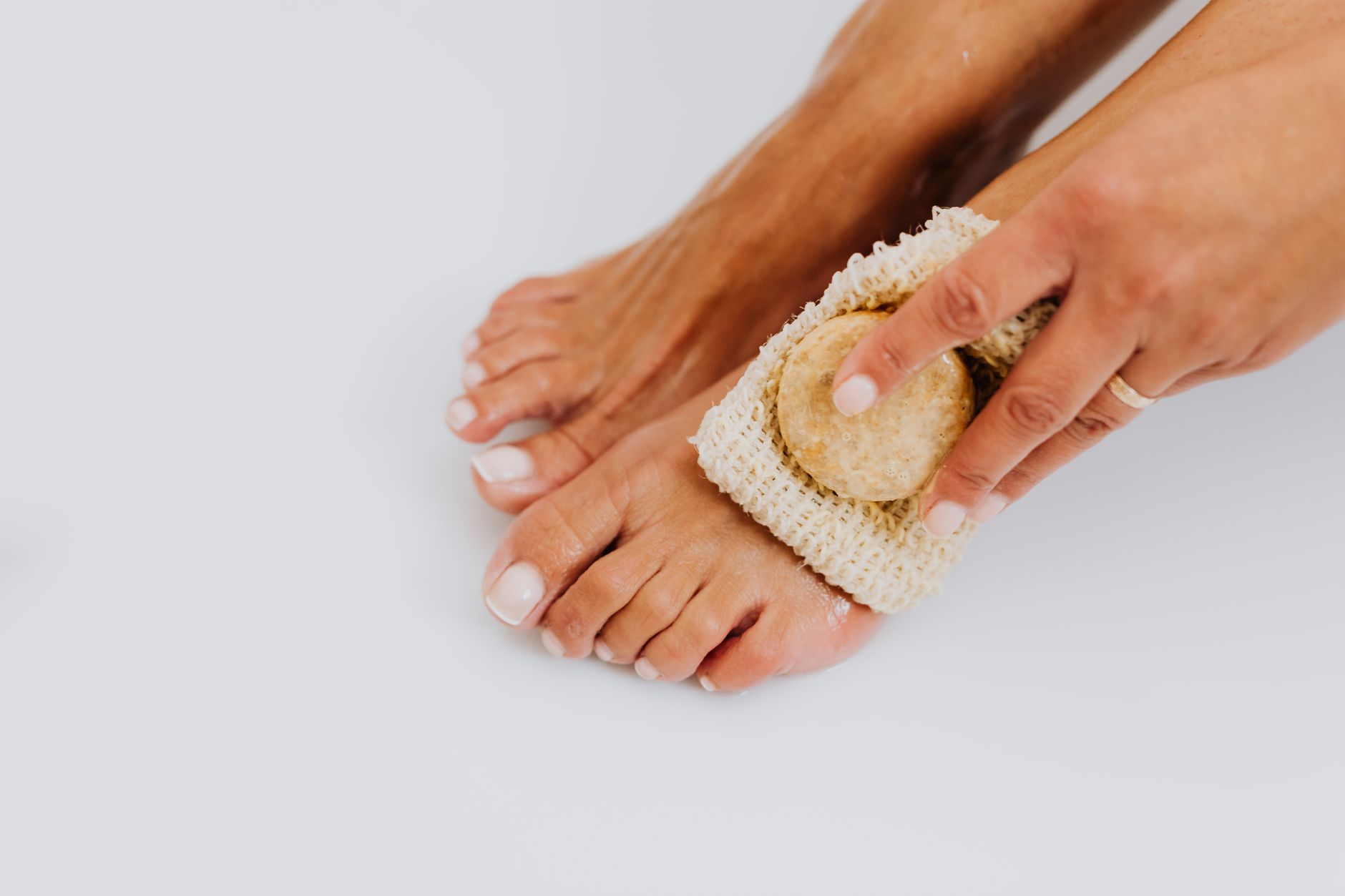
Calluses on the feet can be an uncomfortable and unsightly issue, affecting both our comfort and confidence. While they serve a protective purpose, too much buildup can lead to pain and irritation. Thankfully, removing calluses is easier than you may think. In this comprehensive guide, we will explore effective methods for callus removal, safety tips, and ways to keep your feet healthy and smooth.
Whether you prefer at-home treatments or professional services, understanding how to properly remove calluses can help you maintain beautiful feet. Follow along for easy steps and expert advice that caters to your individual needs.
How to Remove Calluses from Feet?
The process of removing calluses involves gentle exfoliation and moisturizing. You can achieve this through several methods, including over-the-counter products, natural remedies, and professional treatments. Whichever method you choose, take care to follow safe practices to prevent injury.
Understanding Calluses
Calluses are thickened areas of skin that develop on the feet due to repeated friction or pressure from footwear, physical activities, or even walking. This buildup is the body’s natural defense mechanism to protect the skin underneath.
Some common causes of calluses include:
- Wearing ill-fitting shoes
- Excessive walking or running
- Standing for long periods
- Foot deformities like bunions or hammertoes
Methods for Removing Calluses
There are several methods available for removing calluses, ranging from natural remedies to professional treatments. Below, we’ll detail each method and provide guidance on selecting the right one for you.
At-Home Remedies
For mild callus issues, you might want to consider at-home treatments before seeking professional help. Here are some effective methods:
1. Pumice Stone
A pumice stone is a popular tool for physically exfoliating calluses. Here’s how to use it:
- Soak your feet in warm water for about 10 to 15 minutes to soften the skin.
- Using a pumice stone, gently rub the callused area in circular motions. Avoid being too aggressive, as this can lead to skin damage.
- Rinse and pat dry your feet, then apply a thick moisturizer to keep the skin hydrated.
2. Foot Soaks
Foot soaks can help soften calluses and make them easier to remove. Consider these soak options:
- Epsom Salt Soak: Dissolve half a cup of Epsom salt in warm water and soak your feet for 15-20 minutes. The magnesium can soothe and soften the skin.
- Vinegar Soak: Mix equal parts white vinegar and water. Soak for 10-15 minutes to help exfoliate dead skin cells.
3. Exfoliating Creams
Exfoliating creams containing alpha hydroxy acids (AHAs) or salicylic acid can help dissolve calluses. Here’s how to incorporate them into your routine:
- Apply the product directly to the callused area, following the instructions on the label.
- Leave it on for the recommended time, then wash off.
- Repeat as directed, generally once or twice a week, to gradually reduce the callous build-up.
4. Moisturizers and Oils
Regularly moisturizing your feet can prevent the formation of calluses. Look for products designed specifically for foot care, such as:
- Urea-based creams that help to break down thickened skin.
- Nourishing oils, such as coconut oil or shea butter, to hydrate and soften the skin.
Professional Treatments
If at-home remedies don’t yield results or if you have severe calluses, consider seeking professional treatments. Here are some options:
1. Pedicure
A professional pedicure often includes callus removal using specialized tools. This treatment can provide immediate results while also giving your feet a pampering experience. Be sure to choose a reputable salon known for hygiene and skilled technicians.
2. Foot Care Specialist
For chronic callusing, seeing a podiatrist or foot care specialist might be necessary. They can safely remove calluses and assess any underlying issues. Your podiatrist can provide personalized advice on foot health and suitable footwear.
3. Chemical Peels
In some cases, a dermatologist may recommend chemical peels that contain stronger acids to exfoliate the skin. This is particularly effective for tough calluses that don’t respond to regular treatments.
Safety Tips for Callus Removal
While removing calluses, it’s important to prioritize safety to avoid skin damage and infection. Here are essential safety tips to keep in mind:
- Always soak your feet before using any tools or creams, as this will soften the skin and make removal easier.
- Use gentle pressure; excessive scrubbing can lead to cuts or abrasions.
- Sanitize any tools before and after use to minimize infection risk.
- If you have diabetes or any condition affecting foot sensation or circulation, consult a healthcare provider before attempting callus removal at home.
Common Mistakes to Avoid
When addressing calluses, it’s easy to make some common mistakes that could prolong the issue or lead to complications. Here’s what to avoid:
- Skipping moisturization: Always follow exfoliation treatments with a moisturizer to keep skin hydrated.
- Using harsh tools: Avoid metal graters or blades, which can cause injuries.
- Neglecting the cause: If calluses are recurring, assess your footwear and walking habits.
Long-Term Care for Smooth Feet
Consistent care is essential for maintaining smooth and healthy feet. Here are some tips for long-term care:
- Wear well-fitted shoes that provide adequate support.
- Make foot moisturizing a part of your daily self-care routine.
- Exfoliate regularly, especially during the warmer months when feet are more exposed.
- Consider using gel pads or orthotics if you experience friction in certain areas.
When to Seek Medical Help
If you notice any of the following issues, it’s time to consult a healthcare professional:
- Severe pain associated with calluses
- Signs of infection, such as redness, swelling, or discharge
- Calluses that bleed or do not heal
Summary of Key Steps for Callus Removal
When it comes to removing calluses, follow these key steps:
- Soak your feet to soften the callused areas.
- Choose a removal method: pumice stone, foot soak, exfoliating cream, or professional treatment.
- Moisturize afterward to keep the skin healthy.
- Monitor your feet regularly and adjust your routine as needed.
By following these practical steps and safety tips, you can effectively manage and remove calluses from your feet. Remember, while the process requires some time and patience, the results can lead to healthier, happier feet.
For those looking to explore further, consider checking out our guides on dealing with smelly feet or our detailed walkthrough on removing calluses on feet for additional tips and information. Your feet deserve the best care!