
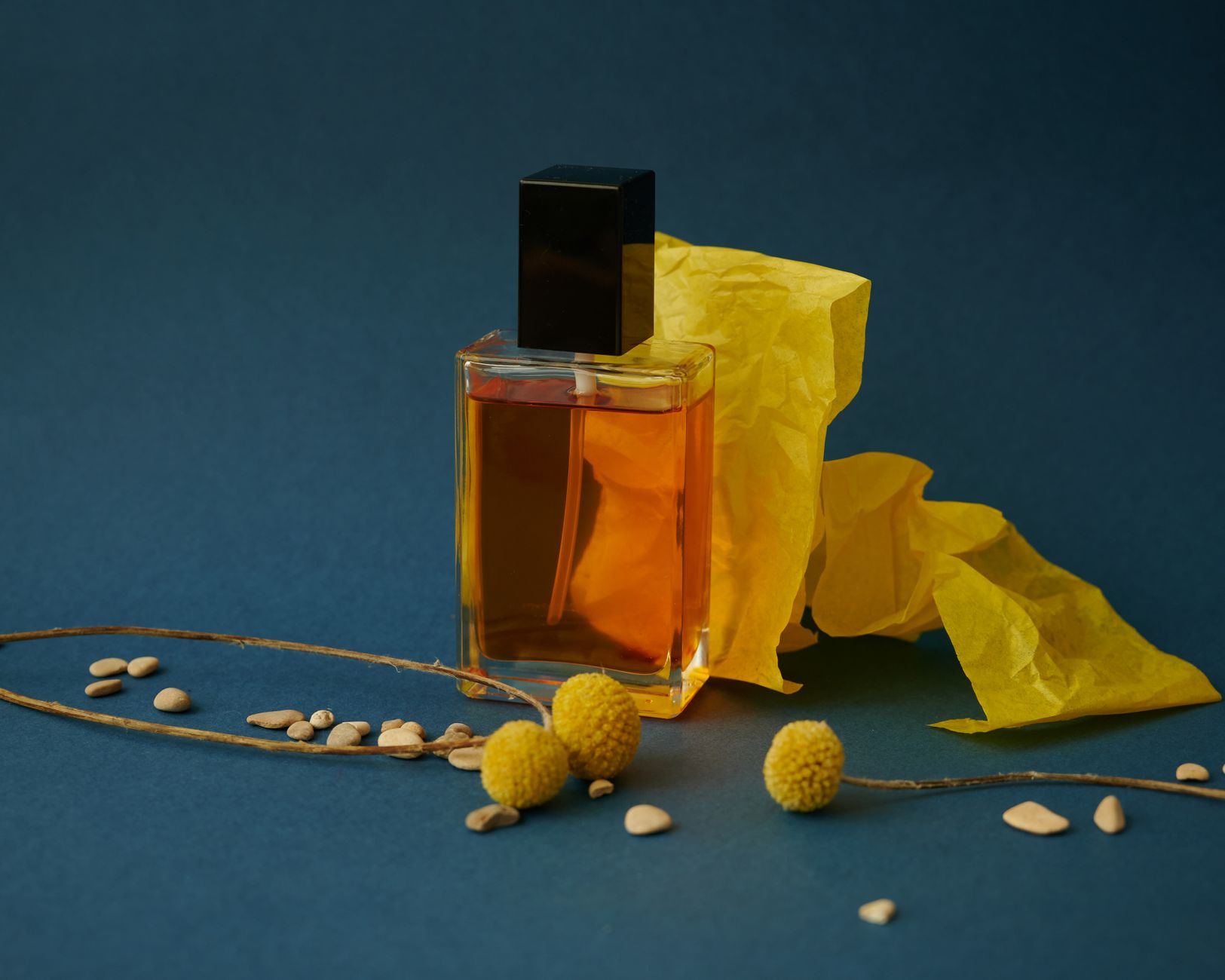
Understanding perfume and its lifespan is critical for anyone who wants to make the most of their fragrance collection. Perfume may become less appealing over time, impacting its scent and effectiveness. This guide will explore whether perfume goes bad, how to properly store your fragrances, and the signs that indicate it’s time to part ways with an old favorite.
With insights into the shelf life of different types of perfumes, storage tips, and red flags to watch for, this article will equip you with everything you need to keep your fragrance game strong. Let’s delve into the fragrant world of perfumes and learn how to care for these delicate creations.
Does Perfume Go Bad?
Yes, perfume can go bad over time. While most fragrances do not have an expiration date like food products, their chemical composition changes, resulting in a scent that can become unrecognizable or displeasing. Typically, perfumes last for three to five years, depending on their ingredients and how they are stored.
Understanding Perfume Composition
To grasp why and how perfume can go bad, it’s essential to understand its basic components. Perfumes are made up of several key ingredients:
- Essential Oils: The heart of any fragrance, they provide the scent and can oxidize over time.
- Alcohol: Acts as a solvent and helps to carry the fragrance; high alcohol content can help preserve the scent.
- Water: Commonly found in eau de toilette varieties, but excessive water content can lead to quicker degradation.
- Fixatives: Ingredients like resins or musks that help linger longer on the skin, but they too can break down.
These components interact and can lead to changes in a perfume’s scent profile as they age. Let’s look at how long you can expect different types of perfumes to last.
Shelf Life of Different Perfume Types
The shelf life of a perfume can vary significantly based on its concentration and formulation. Here’s a general overview:
- Eau de Toilette: Lasts about 3 to 5 years. Typically has a higher water content, which can lead to quicker deterioration.
- Eau de Parfum: Generally lasts 4 to 6 years. Contains a higher concentration of fragrance oils, making it more resilient.
- Parfum (Extrait): The longest-lasting type, often exceeding 7 years. With a higher concentration of oils, it preserves its scent more effectively.
- Cologne: Typically lasts 2 to 3 years, as it contains the least amount of fragrance oils.
Keep in mind that these are approximations. Actual shelf life can depend on various factors, including storage conditions and the specific ingredients used.
Factors Affecting Perfume Longevity
While shelf life estimates are helpful, several external factors can impact how long your perfume stays fresh:
- Exposure to Light: Ultraviolet rays can break down the chemical structure of perfume, leading to changes in scent. Store dark-colored bottles in a cool, dark place.
- Temperature: Extreme temperatures—both hot and cold—can affect perfume composition. Ideal storage is between 15°C to 20°C (59°F to 68°F).
- Humidity: High humidity can also affect scents, particularly for perfumes with higher levels of water. Keep them in a stable environment.
- Air Exposure: Once opened, fragrances can oxidize. Use tight-fitting caps and minimize the time bottles are left open.
Proper Storage Tips for Perfumes
To extend your perfume’s shelf life and maintain its integrity, consider these storage best practices:
- Keep it Cool: Store perfumes in a cool, dry place away from direct sunlight and heat sources.
- Avoid the Bathroom: Although convenient, the bathroom’s humidity and temperature fluctuations can decrease the longevity of your fragrance.
- Use the Original Packaging: If feasible, store them in their original boxes to protect them from light and temperature changes.
- Do Not Shake: Shaking perfume can introduce air into the bottle and cause oxidation. Simply let it sit undisturbed.
Signs Your Perfume Has Gone Bad
It’s crucial to know when a perfume has passed its prime to avoid an unpleasant experience. Here are some warning signs:
- Change in Color: If the fragrance has darkened significantly, it might be oxidized, indicating it’s time to let it go.
- Altered Scent: If the fragrance smells different and developed an unpleasant odor, it’s likely gone bad.
- Separation Layers: Visible separation of ingredients is a clear sign of a degraded formula.
- Skin Irritation: If a perfume that once felt good on the skin now causes irritation, stop using it immediately.
It’s essential to give your senses a check-in. If any sign feels off, trust your instinct and consider discarding the bottle.
How to Test Your Perfume’s Freshness
If you’re unsure whether your perfume is still good, you can do a few tests:
- Skin Test: Spray a small amount on your wrist and see if it has the same fragrance you remember. Wait for it to develop over a few hours to gauge longevity.
- Smell Test: Spray the perfume into the air away from your face and assess the initial burst and dry-down scent after a few minutes.
- Color Test: Compare it to a new bottle (if possible) to look for any noticeable differences.
Reviving Your Old Perfumes
Sometimes, an aged perfume can be revitalized. Here are a couple of suggestions:
- Layering: Have you got a close scent that you can layer with the old fragrance? Sometimes mixing or layering with another scent can breathe life into the older version.
- Mixing with Lotion or Oil: If the scent is not completely off but doesn’t smell fresh, consider mixing it with an unscented lotion or oil for a softer fragrance.
However, if your fragrance significantly smells bad or shows other signs of spoilage, it’s best not to risk it. It might be time to part ways.
When to Consider Repurchasing Perfume
Buying perfumes can be a significant investment. Here are some tips when to think about getting a new fragrance:
- Beloved Fragrances: If a fragrance has sentimental value or was part of a significant moment, consider repurchasing. Your well-being can be tied to scents.
- Frequent Usage: If you find yourself using a fragrance almost daily, replacing it can be worthwhile.
- New Releases: The fragrance industry often releases seasonal or limited-edition scents worth exploring. It’s an opportunity to update your collection.
Eco-Friendly Disposal of Old Perfumes
When it’s finally time to dispose of a bottle, do so responsibly. Here are some eco-friendly tips:
- Contact Local Waste Management: Some municipalities have regulations for hazardous waste disposal, including products like perfumes.
- Reuse Bottles: Upcycle or repurpose empty bottles for decoration or craft projects.
- Return to Fragrance Brands: Some brands participate in recycling programs for their bottles. Check the policies of your favorite brands.
Dealing with old fragrances doesn’t have to be wasteful. Find a solution that works for you while maintaining environmental responsibility.
Frequently Asked Questions
Can I store perfume in the refrigerator?
While some people prefer to store their perfumes in the refrigerator for cooler temperatures, it can create temperature fluctuations each time you open the fridge, which could impact the fragrance. You can, however, store it in a cool cupboard, away from light and heat.
Does layering perfumes affect the shelf life?
Layering with other scents does not necessarily affect the shelf life of each individual perfume, but it can impact how they smell when combined. Testing combinations is key to discovering your preferred scent.
What’s the best way to apply perfume for longevity?
To achieve maximum longevity, spray perfume on pulse points like wrists, neck, and behind the ears. This ensures the fragrance interacts with your body heat, amplifying its scent.
Summary and Final Thoughts
Perfume does go bad, but by understanding its composition, shelf life, and proper storage techniques, you can enjoy your fragrances for longer. Always remain aware of warning signs indicating spoilage and know when it’s time to replace a scent. Being mindful of how you use and store your perfume can keep your fragrance game strong.
For more detailed insights on perfume longevity and how to care for your fragrances, check out our guides on whether perfume expires and how long perfume lasts. Explore these valuable resources to keep your beauty collection fresh and fabulous.