
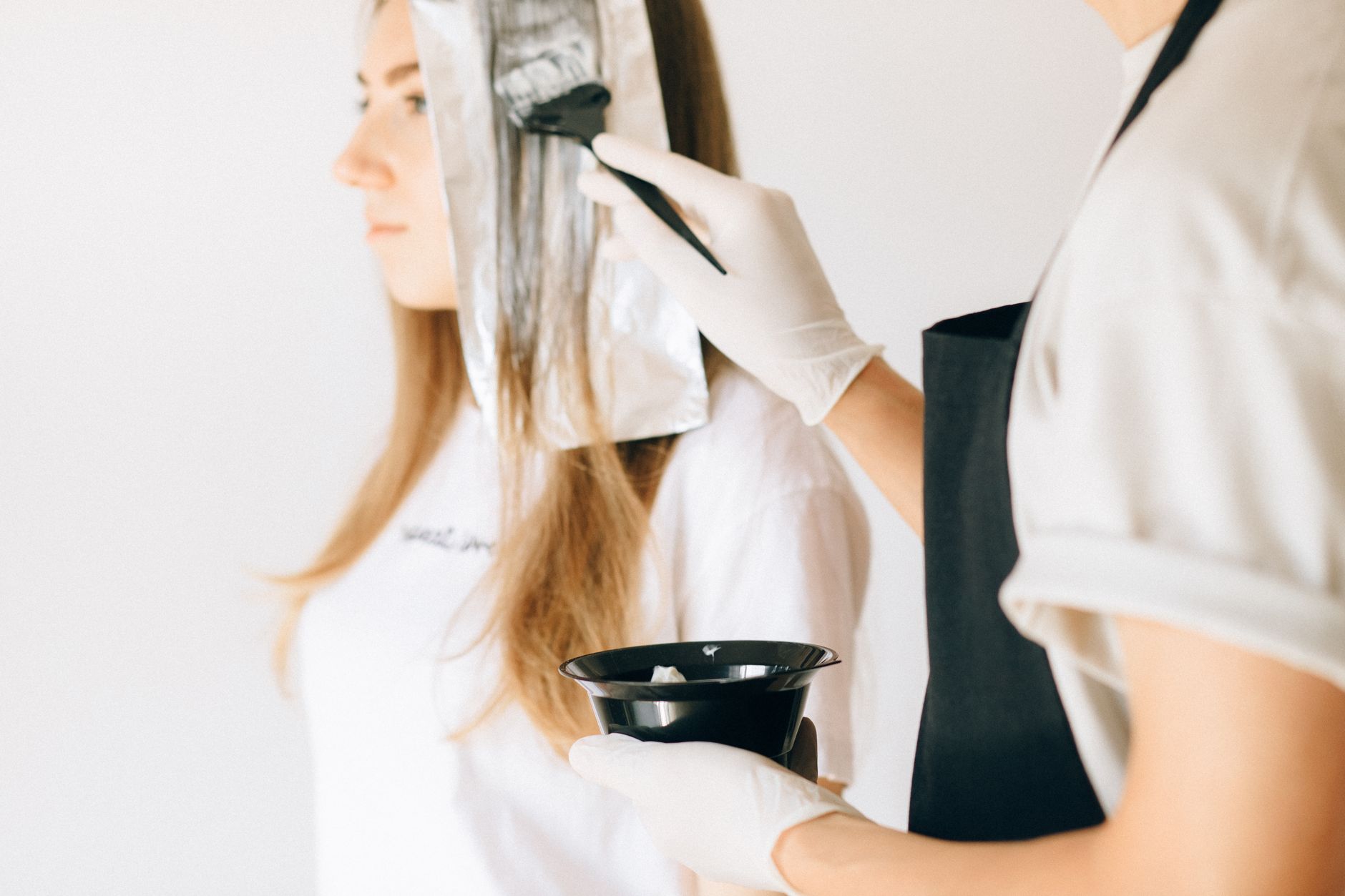
As you navigate the beautiful journey of pregnancy, you may find yourself wondering about the safety of various beauty practices, particularly hair dyeing. The good news is that yes, you can dye your hair while pregnant, but there are many factors to consider regarding safety and potential risks.
In this article, we’ll explore the various types of hair dye, their ingredients, the associated risks of coloring your hair during pregnancy, and safety tips to help you make informed decisions. Let’s dive into what you need to know.
Can I Dye My Hair While Pregnant?
Yes, you can dye your hair while pregnant, but it’s wise to approach it with caution. Research indicates that the chemicals in hair dyes are generally considered safe for use during pregnancy when used correctly, especially in well-ventilated areas. However, some women prefer to adopt a more cautious approach.
Types of Hair Dyes
Understanding the different types of hair dye can help you make an informed choice that aligns with your preferences for safety and results.
- Permanent Hair Dye: Contains ammonia and other strong chemicals that provide long-lasting color. While effective, they can release fumes that may be best avoided.
- Semi-Permanent Hair Dye: Free from ammonia and less harsh on the hair, these dyes typically last a few weeks. They are usually considered safer than permanent dyes.
- Temporary Hair Dye: This type coats the hair and lasts until the next wash. They are the least intrusive but may still contain some potentially harmful substances.
- Natural Hair Dye: Made with natural ingredients like henna, these dyes do not contain synthetic chemicals. They are often seen as a safer alternative but may provide less vibrancy and longevity.
Risks of Dying Hair While Pregnant
Chemical Exposure
One of the primary concerns associated with hair dye during pregnancy is the potential exposure to chemicals. Ammonia and peroxide, common in many commercial hair dyes, can produce strong fumes that may enter your bloodstream. Although the risk is low, it is advisable to minimize chemical exposure when possible.
Allergic Reactions
Pregnancy can alter your sensitivity to allergens, meaning that what was once a safe dye could cause a reaction. Always perform a patch test before applying any hair dye to check for allergic reactions.
Impact on Fetal Development
While most studies indicate that hair dye, particularly when used as directed, does not have an adverse impact on fetal development, some women prefer to err on the side of caution. Certain chemicals in hair dye could potentially pose risks if absorbed in large amounts.
Hormonal Changes
Your body undergoes significant hormonal changes during pregnancy, which can affect how your hair responds to dye. Your hair may absorb color differently, and the outcome might not match expectations.
Safety Tips for Dyeing Hair While Pregnant
If you choose to dye your hair during pregnancy, consider these safety tips to help mitigate potential risks effectively:
- Consult a Healthcare Provider: Always speak with your doctor or healthcare professional before coloring your hair to discuss the potential risks based on your particular health circumstances.
- Choose Safer Products: Consider opting for semi-permanent or vegetable-based dyes with fewer harsh chemicals. Brands that promote pregnancy-safe formulas often use natural ingredients.
- Perform a Patch Test: Conduct a patch test 48 hours before dyeing your hair to check for allergies or reactions. If irritation occurs, refrain from using that dye.
- Dye Hair in a Well-Ventilated Area: Good ventilation can help reduce odor and exposure to fumes. Ensure the area is well-aired, preferably with windows open.
- Limit Use: Consider delaying color treatments until your second trimester when the risk of miscarriage is lower. The first trimester is a crucial period for fetal development.
- Avoid Contact with the Scalp: If possible, avoid applying dye directly to the scalp to minimize exposure. Techniques such as balayage or highlights can reduce this risk.
- Wait for Professional Help: If you are unsure, consider visiting a professional stylist who can recommend safer options and techniques suitable for pregnant women.
Home Hair Dyeing vs. Professional Treatments
Choosing between home hair dyes and professional treatments is a common consideration for expectant mothers. Each option has distinct advantages and drawbacks:
Home Hair Dyeing
- Convenience: Allows you to color your hair on your own schedule and in the comfort of your home.
- Cost-Effective: Generally less expensive than salon services.
- Accessibility: You can find various products easily at drugstores and supermarkets.
Professional Treatments
- Expertise: Professional hairstylists have training and experience to handle various hair types and colors while minimizing exposure to chemicals.
- Safer Techniques: Many salons offer techniques like highlights or balayage that keep dye off the scalp.
- Consistent Results: Professional applications may lead to more desirable and consistent results.
Alternatives to Hair Dye
If you’re concerned about using hair dyes during pregnancy and want to explore alternatives, here are some options:
- Hair Glossing: A gloss can add shine and subtle color without harsh chemicals.
- Natural Remedies: Solutions such as chamomile tea or coffee can provide temporary color effects.
- Highlighting Techniques: Opt for foil highlights or balayage, which require less contact with the scalp.
- Embrace Your Natural Color: Allowing your natural color to grow can be empowering and lessen the need for frequent touch-ups.
Aftercare for Colored Hair
Once you’ve colored your hair, taking care of it is crucial, especially during pregnancy. Here are some aftercare tips:
- Use Mild Shampoos: Select sulfate-free shampoos formulated for color-treated hair to help maintain vibrancy.
- Condition Regularly: Hydrate your hair with moisturizing conditioners to combat potential dryness caused by dye.
- Avoid High Heat: Limit the use of heat styling tools that can damage color-treated hair.
- Regular Trims: Keeping your hair trimmed can help remove split ends and keep it looking fresh.
- Protect from UV Rays: Consider wearing a hat or using UV protectants for hair to prevent color fading from sun exposure.
What to Expect After Color Treatment
It’s important to have realistic expectations regarding the outcome of your hair dyeing. Some factors to consider include:
- Color Variability: Drying and hormonal changes may alter how your hair absorbs and displays color.
- Increased Sensitivity: You might notice increased scalp sensitivity or reactions versus before pregnancy.
- Color Longevity: Expect that colors may fade faster due to hormonal changes affecting hair health.
Consulting a Professional
If you are still unsure, consider consulting a professional stylist who is familiar with the concerns surrounding pregnancy. Ask questions about:
- Safe product usage
- Options for highlights versus complete dye jobs
- How to minimize potential risks associated with hair dyeing
Final Thoughts
Dyeing your hair while pregnant can be a safe beauty practice when approached with caution. By understanding the types of dyes available, consulting with professionals, and following safety tips, you can continue to enjoy personal grooming while prioritizing your health and the health of your baby. If you have specific concerns or conditions, always reach out to your healthcare provider for personalized advice.
Now that you’re informed about hair dyeing during pregnancy, take the next step with confidence, and remember to embrace the beauty of this unique life experience!
If you’re interested in exploring related beauty topics, check out our guides on skincare routines during pregnancy, natural haircare options, and safe makeup tips for expectant mothers.