
A callus is a thickened area of skin that develops in response to repeated friction, pressure, or irritation. It is a natural protective mechanism, commonly found on the feet, hands, and other areas prone to pressure. Understanding what causes calluses, how to prevent them, and the best treatment options can help you maintain smooth, healthy skin.
This article will delve into the causes of calluses, effective prevention strategies, and treatment methods you can easily incorporate into your beauty routine. Whether you’re dealing with sore feet or rough hands, having knowledge about calluses can empower you to manage and care for your skin effectively.
What Is a Callus?
A callus is a thick layer of skin that forms as a response to continuous friction or pressure. This skin adaptation serves as a protective barrier that helps shield underlying tissues from injury or strain. While calluses are typically harmless, they can sometimes become uncomfortable or unsightly.
Causes of Calluses
Calluses develop when the skin experiences repeated friction or pressure. Common causes include:
- Footwear: Poorly fitting shoes that rub against the skin frequently lead to calluses on the feet. High heels, sandals, and tight shoes are notorious offenders.
- Physical Activities: Activities that require frequent hand use, like weightlifting, playing musical instruments, or manual labor can result in calluses on the hands.
- Skin Conditions: Certain skin conditions, such as eczema or psoriasis, can lead to thickened skin, which may appear similar to calluses.
- Age: As we age, our skin loses moisture and elasticity, leading to the formation of calluses more easily.
Prevention of Calluses
Preventing calluses is often easier than treating them. Here are some effective strategies:
- Choose Proper Footwear: Invest in well-fitting shoes with adequate support. Look for cushioning and breathable materials to reduce friction.
- Wear Protective Gear: When engaging in activities that can lead to calluses, such as exercise or manual labor, use gloves or padded grips to protect your hands.
- Moisturize Regularly: Keeping skin hydrated helps maintain its elasticity, making it less likely to harden into a callus. Use a good quality moisturizer on areas prone to calluses.
- Take Breaks: If your job or hobbies require repetitive motions, take regular breaks to alleviate pressure on the skin and encourage recovery.
Treatment Options for Calluses
If you already have calluses, various treatment options can help reduce their appearance and discomfort:
1. Soaking and Exfoliating
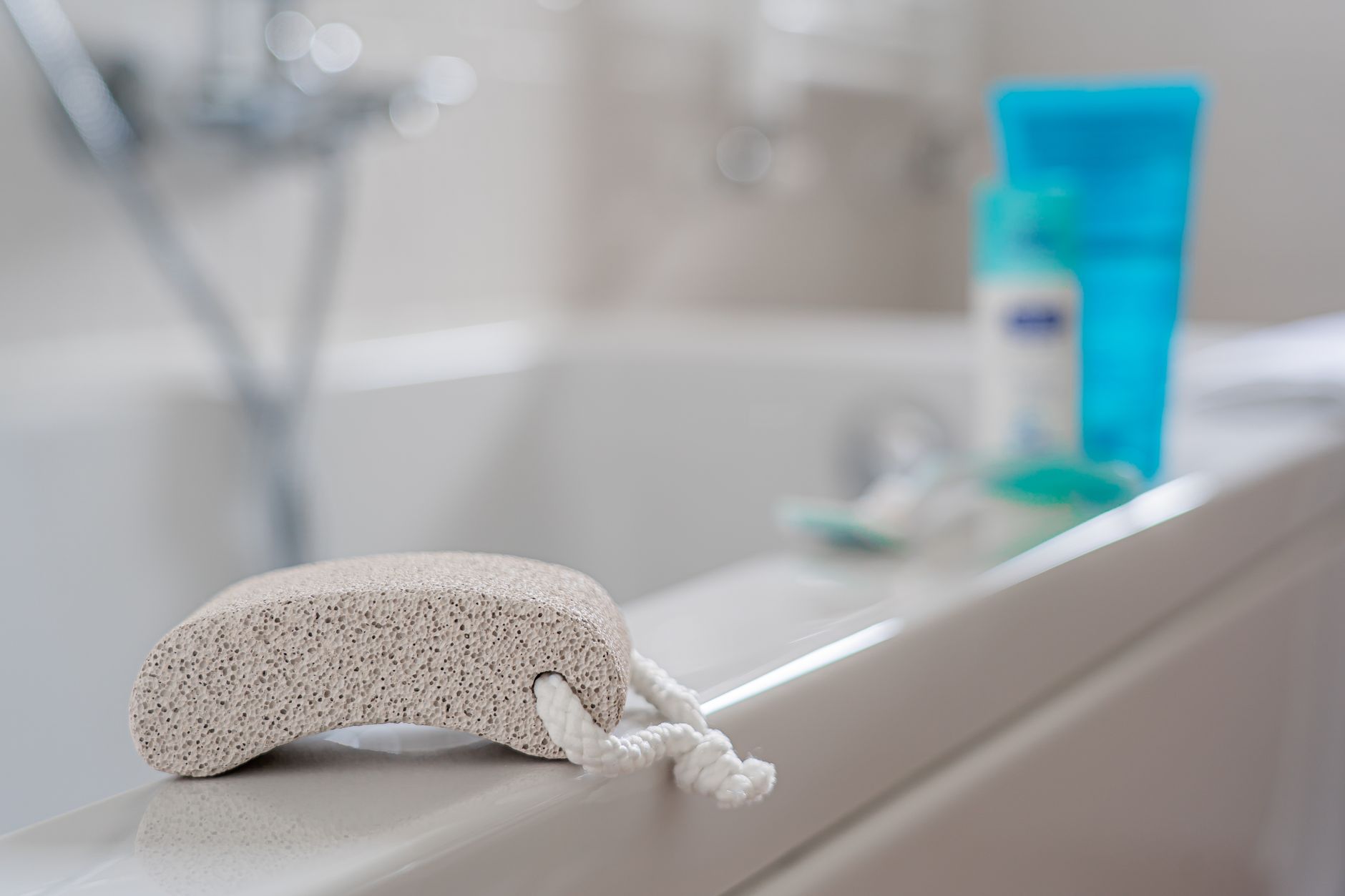
Soaking the affected area in warm, soapy water can help soften the callus. After soaking, use a pumice stone, foot file, or exfoliating scrub to gently slough off the dead skin.
2. Moisturizing Creams
Heavy-duty moisturizers, particularly those containing urea or salicylic acid, can help soften and break down thickened skin. Apply these creams daily, especially after soaking and exfoliating.
3. Callus Pads and Cushions
Over-the-counter callus pads can provide relief by reducing friction and pressure on the affected area. Look for pads that contain medicated ingredients designed to exfoliate the callus.
4. Professional Treatments
If home treatments are not effective, a visit to a podiatrist or dermatologist may be necessary. Professionals can offer treatments including:
- Debridement: A professional removal of thickened skin using sterile instruments.
- Laser Therapy: For severe cases, laser treatment can help reduce or remove calluses effectively.
- Custom Orthotics: If calluses are a result of foot structure, specially designed orthotic inserts can provide relief and prevent further development.
Additional Tips for Callus Care
To better manage calluses and promote overall skin health, consider these additional tips:
- Be Gentle: Avoid aggressive scrubbing or cutting of calluses at home, as this can lead to infections or injuries.
- Maintain Foot Hygiene: Regularly wash and dry your feet, and pay special attention to areas prone to callusing.
- Keep Nails Trimmed: Long nails can contribute to pressure and friction, leading to more prominent calluses.
- Consult with a Professional: If calluses persist or cause pain, consult a healthcare professional for personalized advice and treatment options.
Signs You Need Professional Help
While calluses are generally not harmful, there are certain signs that indicate you should seek professional help:
- Persistent discomfort or pain in the callused area.
- Signs of infection, such as redness, swelling, or pus.
- Calluses that bleed or crack, leading to increased risk of infection.
- Changes in the callus color or texture that are concerning.
Calluses vs. Corns: What’s the Difference?
Many people often confuse calluses with corns. Both are thickened skin areas, but they differ in appearance and location:
- Calluses: Larger, flattened areas of thickened skin, usually found on weight-bearing parts of the feet and hands.
- Corns: Smaller, often round, areas of thickened skin typically found on the toes or sides of the feet. Corns may have a hard center and are often painful when pressure is applied.
Natural Remedies for Calluses
If you prefer a more holistic approach, here are some natural remedies that may help treat calluses:
- Coconut Oil: Known for its moisturizing properties, coconut oil can be massaged into callused areas to help soften them.
- Aloe Vera: This soothing plant can help hydrate and heal the skin. Apply fresh aloe vera gel directly to calluses.
- Apple Cider Vinegar: Soaking a cotton ball in apple cider vinegar and placing it on the callus may help soften it due to its mild acidity.
Incorporating Callus Care into Your Routine
To maintain healthy skin and reduce the chances of calluses developing, consider incorporating a simple routine:
- Daily Moisturizing: Apply a good quality foot cream or moisturizer daily to keep skin hydrated.
- Weekly Exfoliation: Schedule a weekly exfoliation session, soaking the affected area and using a pumice stone or foot file.
- Socks and Footwear Maintenance: Choose breathable, moisture-wicking socks and rotate your footwear to minimize repetitive pressures.
- Hygiene Practices: Ensure feet and hands are regularly washed and dried properly, and treat any small injuries to prevent callus formation.
Common Mistakes to Avoid
Here are some common mistakes to avoid when dealing with calluses:
- Ignoring Calluses: Don’t let calluses go untreated, as they can lead to discomfort and further skin issues.
- Using Improper Tools: Avoid using very sharp tools or blades at home, as they can easily cause injury.
- Over-Exfoliating: Excessive scrubbing can irritate the skin, leading to inflammation or more callus formation.
Conclusion
Understanding what a callus is, how it forms, and how to manage it can significantly improve your skin’s condition. By implementing effective prevention techniques and treatment strategies, you can enjoy healthier, smoother skin. Remember that taking care of your feet and hands is an important part of your overall beauty routine.
If you are looking to learn more about foot care, consider exploring how to remove calluses from feet or understanding what a corn is and how it differs from a callus.