
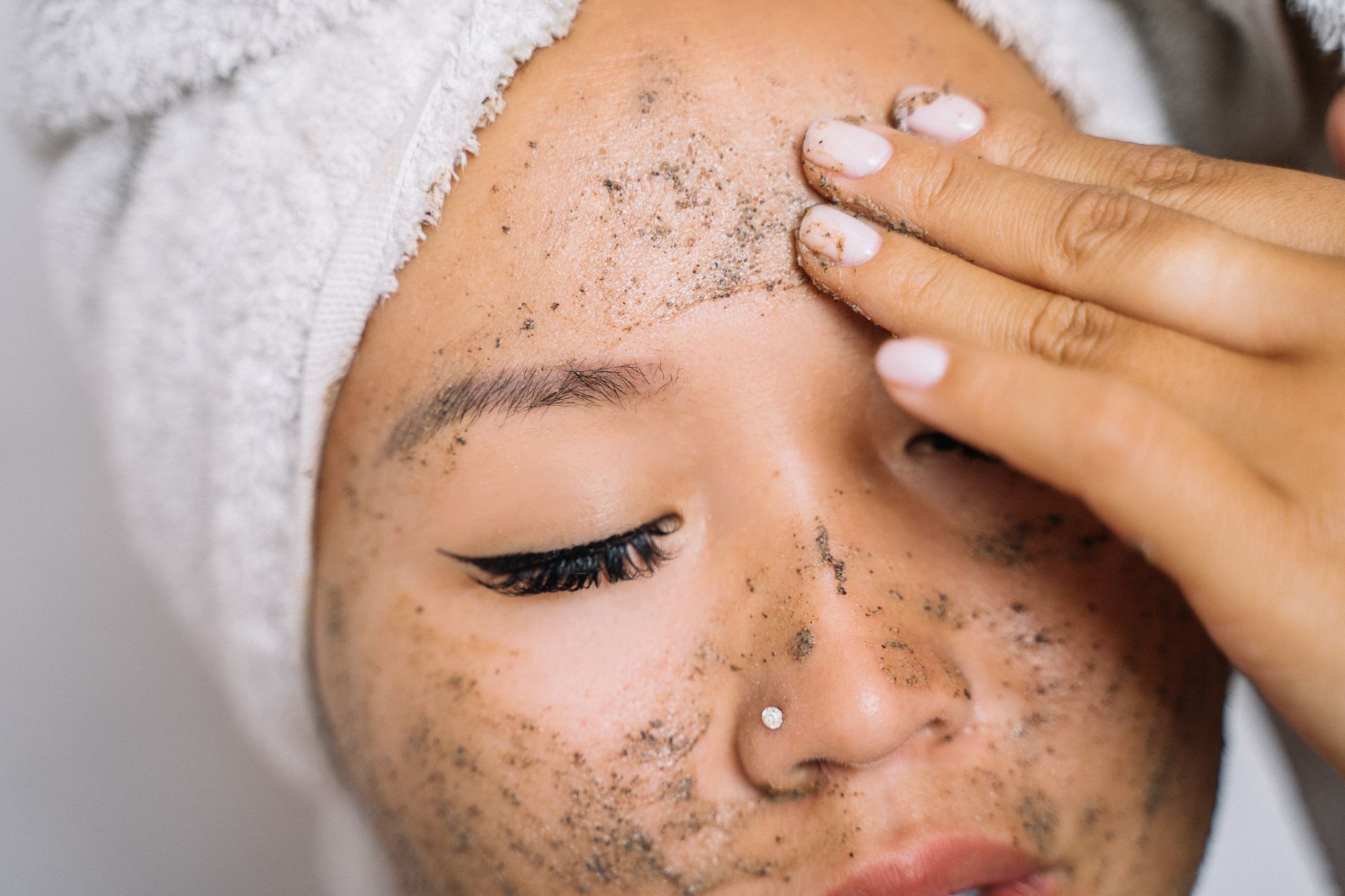
Exfoliation is a crucial step in any skincare routine, as it helps to remove dead skin cells, promote cell turnover, and reveal a brighter, smoother complexion. Knowing how to exfoliate your face correctly can significantly enhance your skin’s overall health and appearance. In this article, we will break down easy steps tailored for different skin types, so you can achieve the best results without irritating your skin.
Whether you have dry, oily, sensitive, or combination skin, understanding the types of exfoliation, the appropriate products, and the right techniques will empower you to make informed choices that suit your unique skin needs.
How to Exfoliate Face?
To exfoliate your face effectively, you first need to choose the right method for your skin type, select suitable products, and determine the proper frequency. Here’s a quick guide to help you understand the process:
- Identify your skin type.
- Choose between physical and chemical exfoliation.
- Select products that cater to your skin type.
- Determine the frequency of exfoliation.
- Follow the proper exfoliation technique.
- Moisturize and protect your skin afterward.
Understanding Skin Types
Before you start exfoliating, it’s essential to know your skin type as this will determine the best exfoliation method and products for you. The main skin types are:
- Dry Skin: May appear dull, rough, and flaky.
- Oily Skin: Known for a shiny appearance, larger pores, and prone to blackheads or acne.
- Sensitive Skin: Tends to react quickly to products and may be easily irritated.
- Combination Skin: Features both oily areas (usually the T-zone) and dry areas on the face.
- Normal Skin: Balanced, with minimal dry or oily areas.
Physical vs. Chemical Exfoliation
There are two primary methods of exfoliation: physical and chemical. Understanding the differences will help you choose what suits your skin best.
Physical Exfoliation
This method involves manually scrubbing away dead skin cells using exfoliating tools or products. Here are some common types:
- Scrubs: These products contain granules to physically slough off dead skin.
- Exfoliating Brushes: Manual or electric brushes that buff away dead skin.
- Sponges: Such as konjac sponges, which are gentle on the skin.
Chemical Exfoliation
Chemical exfoliation uses acids or enzymes to dissolve dead skin cells. Common types include:
- AHA (Alpha Hydroxy Acids): Water-soluble acids derived from fruits; ideal for dry or sun-damaged skin.
- BHA (Beta Hydroxy Acids): Oil-soluble acids like salicylic acid; best for oily and acne-prone skin.
- Enzymatic Exfoliants: These use natural enzymes (like papaya or pineapple) to gently exfoliate.
Selecting the Right Products
Once you understand your skin type and choose between physical and chemical exfoliation, the next step is selecting the right products.
For Dry Skin
Consider using:
- Gentle exfoliating creams or gels with AHAs.
- Exfoliating scrubs with fine particles to avoid irritation.
- Neutral pH cleansers with exfoliating properties.
For Oily Skin
Look for:
- Gel-based scrubs or exfoliants with BHAs.
- Exfoliating pads soaked in AHA/BHA solutions.
- Products that reduce oiliness without overdrying.
For Sensitive Skin
Opt for:
- Gentle enzymatic exfoliants.
- Exfoliating creams with calming ingredients like aloe vera.
- Physical exfoliants with soft textures, such as fine flake scrubs.
For Combination Skin
Choose products that balance the needs of both oily and dry areas:
- Multi-textured scrubs that are gentle but effective.
- Exfoliating toners with a mix of AHAs and BHAs.
- Non-comedogenic products that don’t clog pores.
For Normal Skin
Normal skin can usually handle a range of exfoliants:
- A range of physical scrubs with clear granules.
- Chemical exfoliants with moderate AHA or BHA concentration.
- Gentle DIY scrubs using oatmeal or sugar.
How Often Should You Exfoliate?
The frequency of exfoliation varies depending on your skin type and the exfoliation method you choose:
- Dry Skin: 1-2 times a week to avoid over-exfoliation.
- Oily Skin: 2-3 times a week, especially with BHAs.
- Sensitive Skin: Once a week or as needed, preferably with gentle methods.
- Combination Skin: 1-2 times a week focusing on oily areas.
- Normal Skin: 1-2 times a week, depending on sensitivity.
The Proper Exfoliation Technique
Following the right technique will help maximize the benefits of exfoliation while minimizing irritation. Here is a step-by-step guide:
- Cleanse First: Start with a gentle cleanser suitable for your skin type. Remove makeup and impurities to prepare your skin.
- Apply Your Exfoliant:
- If using a scrub, take a small amount and gently massage it onto your skin in circular motions for about 30 seconds.
- If using a chemical exfoliant, apply it with a cotton pad or fingertips, avoiding the eye area.
- Rinse Thoroughly: Use lukewarm water to wash off any remaining exfoliant to prevent residue.
- Moisturize: After exfoliating, apply a hydrating moisturizer to help restore moisture levels. Consider using one containing soothing ingredients.
- Sunscreen Application: As exfoliation can make your skin more sensitive to the sun, apply broad-spectrum sunscreen during the day.
Common Mistakes to Avoid
Exfoliating can yield beautiful results, but it’s easy to make some common mistakes. Here are tips to avoid these pitfalls:
- Over-exfoliating: Doing it too frequently can lead to irritation, redness, and increased sensitivity.
- Choosing the wrong exfoliant: Always select exfoliants appropriate for your skin type.
- Ignoring hydration: Always follow up with a moisturizer to retain your skin’s moisture.
- Skipping sunscreen: Exfoliated skin is more susceptible to UV damage, so sunscreen is essential.
Signs of Irritation and How to Simplify Your Routine
It’s crucial to be aware of your skin’s reactions during and after exfoliation. Signs of irritation can include:
- Redness and inflammation
- Persistent dryness or flakiness
- Burning or stinging sensations
- Breakouts or rash
If you experience any of these symptoms, stop using the exfoliant temporarily. Give your skin time to heal before reintroducing exfoliation. You can help simplify your routine by:
- Starting with one product at a time and observing how your skin reacts.
- Limiting exfoliation to once a week until your skin builds tolerance.
- Consulting a skincare professional if irritation continues.
Setting Realistic Expectations
Exfoliation can significantly improve your skin’s texture and radiance, but it’s essential to have realistic expectations:
- Results will not be visible overnight; it may take a few weeks to see improvements.
- Exfoliation should be part of a comprehensive skincare routine, including cleansing and moisturizing.
- Everyone’s skin responds differently; what works for one person may not work for another.
Additional Tips for Effective Exfoliation
Here are some extra tips to maximize your exfoliation process:
- Patch Testing: Always test a new exfoliant on a small area of your skin to check for adverse reactions.
- Layer Up: If using both physical and chemical exfoliants, avoid combining them in the same session to prevent over-exfoliation.
- Storage Matters: Keep exfoliating products away from direct sunlight and humidity to maintain their efficacy.
- Stay Hydrated: Drinking plenty of water helps maintain your skin’s overall moisture balance.
Exfoliating is a fundamental aspect of skincare that can greatly enhance your complexion. By understanding your skin type, choosing appropriate products, and following suitable techniques, you can achieve glowing skin without the downsides associated with improper exfoliation. Happy exfoliating!
Explore related beauty guides to elevate your skincare routine, like our guides on natural skincare tips, effective cleansing methods, and daily moisturizing routines to enhance your beauty regimen.