
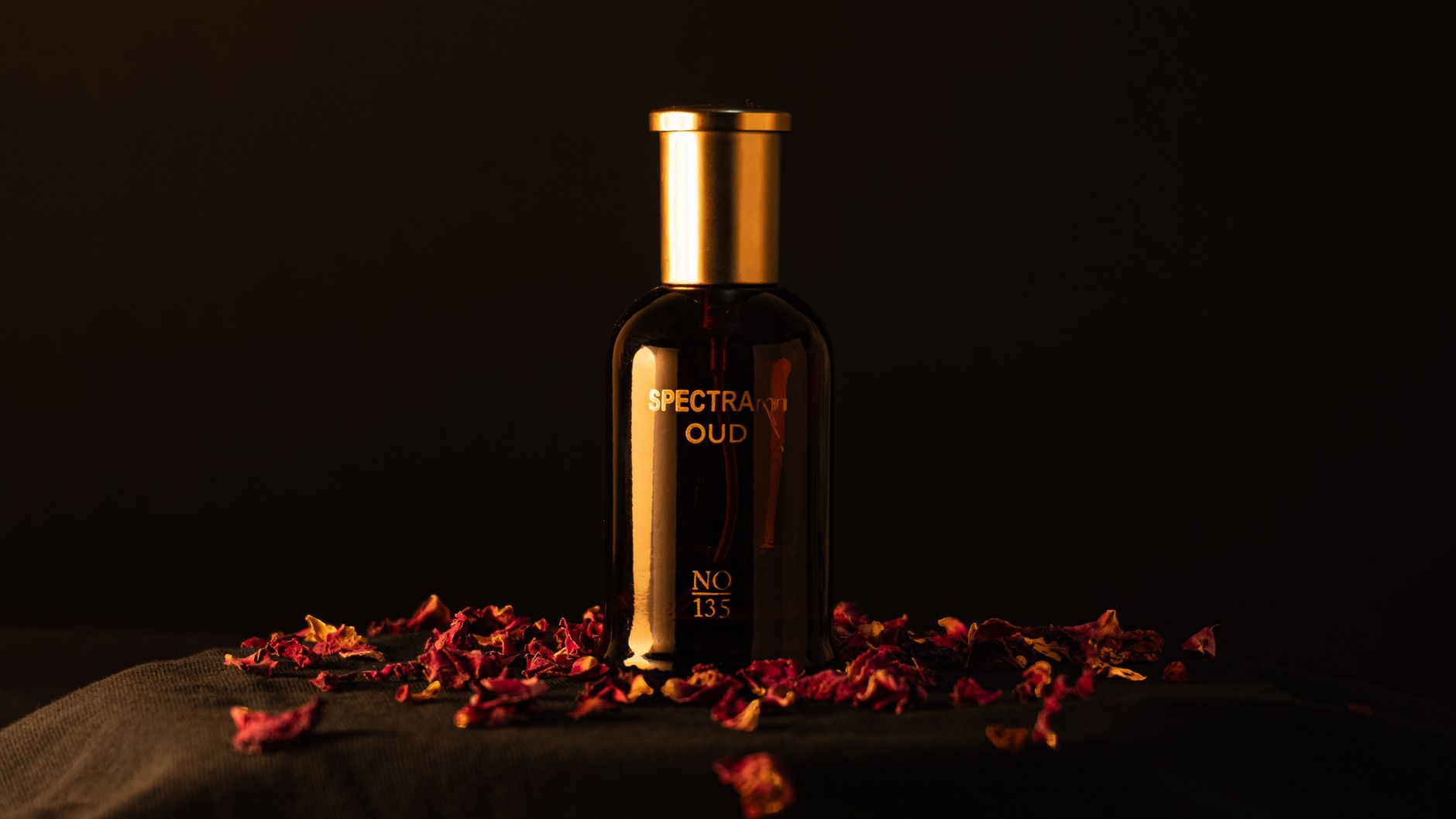
Oud is a luxurious and captivating fragrance ingredient that has gained immense popularity in the beauty industry. Known for its rich, complex scent profile, oud is derived from the resin of the Aquilaria tree, which is mainly found in Southeast Asia. In this article, we will explore the origins, scent notes, and various uses of oud in perfumery, providing you with a comprehensive understanding of this enchanting ingredient.
Whether you’re a fragrance enthusiast or simply curious about oud, this guide will help you appreciate its unique qualities. As we delve into its history and various applications, you’ll discover why oud is often referred to as “liquid gold” and how it has become a staple in modern perfumery.
What Is Oud?
Oud, also known as agarwood, is one of the most sought-after and expensive perfume ingredients in the world. It is derived from the dark heartwood of the Aquilaria tree, which undergoes a process of infection by a type of mold. This leads to the formation of a fragrant resin, which is then harvested to create oud oil. The intricate process involved in producing oud significantly contributes to its rarity and price.
Origins of Oud
The history of oud dates back thousands of years, originating in the Middle East, Southeast Asia, and India. Historically, oud has been utilized not only as a perfume ingredient but also in traditional medicine, religious ceremonies, and cultural rituals. In many Asian countries, oud has been treasured for its deep, profound scent and is often associated with spirituality and enlightenment.
In the Middle East, oud is a symbol of luxury and sophistication. It has been a part of Arab culture for centuries, often used in incense during special occasions and gatherings. Beyond its cultural significance, oud has also driven trade for generations, making it a valuable commodity.
Scent Notes of Oud
The scent of oud is complex and multifaceted, making it a beloved choice for perfumers. It typically features a rich, earthy aroma with balsamic and sweet notes. The depth and warmth of oud can vary depending on factors like the tree’s age, the region it comes from, and the processing method used.
Common Scent Notes Found in Oud
- Woody: Oud brings a robust, deep woodiness derived from the aged wood of the Aquilaria tree.
- Balsamic: It often has sweet, resinous qualities, contributing to its warm characteristics.
- Animalic: Some oud varieties contain musky notes, adding complexity and a hint of sensuality.
- Spicy: You may detect subtle spicy undertones that enrich its overall fragrance profile.
- Floral: In certain compositions, oud can be combined with floral notes like rose, adding a fresh contrast to its richness.
How Oud Is Used in Perfumery
Oud is highly versatile and can be used in a variety of fragrances ranging from unisex to women’s and men’s scents. Here are some of the primary uses of oud in the world of perfumery:
1. In Traditional Perfumes
Oud has carved its niche in traditional perfumes, especially in the Middle Eastern market, where it is frequently blended with sweet notes like amber or rose. This creates warm, romantic fragrance profiles that evoke a sense of elegance and luxury.
2. In Modern Fragrances
As perfumery has evolved, so has the use of oud in modern compositions. Western perfumers have embraced oud, incorporating it into several contemporary fragrances that attract a global audience. Its deep character adds sophistication to scents, whether they are floral, spicy, or oriental.
3. In Oud Oil Form
Pure oud oil, often presented in ornate bottles, is used as a standalone fragrance or layered with other scents for a personalized aroma. It can also serve as a base for other fragrance notes, rounding out and deepening the overall scent experience.
Choosing Oud Perfumes: Tips and Considerations
When selecting an oud fragrance, it’s helpful to consider your personal preferences and how oud interacts with your skin chemistry. Here are some tips to guide your selection:
- Identify Your Preferences: Consider whether you prefer sweet, spicy, or fresh scents and look for oud blends that align with your tastes.
- Test Before You Buy: Always sample a fragrance on your skin; oud can smell different when worn as opposed to how it smells in the bottle.
- Consider Concentration: Fragrances come in various concentrations (e.g., eau de parfum vs. eau de toilette). A higher concentration typically means a richer scent and longer wear.
- Research Brands: Different brands have unique interpretations of oud. Investigate artisan brands renowned for their quality compositions.
- Packaging Matters: Many oud perfumes come in luxurious bottles, reflecting the high-quality nature of the fragrance. Pay attention to presentation as it can also represent a brand’s commitment to quality.
Common Mistakes When Using Oud
While oud can elevate any fragrance experience, there are common pitfalls to avoid:
- Overapplying: Due to its potency, you only need a small amount. Applying too much can overwhelm your senses and those around you.
- Ignoring Skin Chemistry: Oud reacts differently on various skin types. Don’t assume it will smell the same on everyone.
- Mixing with Contrasting Fragrances: If you choose to layer scents, ensure that they complement each other rather than clash.
Oud and Its Role in Skincare
Beyond fragrance, oud has begun making its mark in the skincare industry. Research suggests that oud oil has potential antioxidant and anti-inflammatory properties, making it a valuable addition to certain formulations. Here’s how oud can play a role in skincare:
1. Antioxidant Benefits
Oud oil contains compounds that may combat free radicals, which can contribute to skin aging. Including oud in skincare products can provide protective benefits.
2. Moisturizing Properties
Some formulations use oud oil for its natural moisturizing abilities, which can help maintain skin hydration, particularly beneficial for dry skin types.
3. Soothing Effects
The anti-inflammatory properties of oud may soothe irritated skin, making it an attractive ingredient for products designed for sensitive skin.
4. Aromatherapy
The fragrance of oud can promote relaxation and well-being, making products containing oud popular in aromatherapy. Using such products can enhance both skin health and emotional comfort.
How to Incorporate Oud in Your Beauty Routine
If you’re eager to bring oud into your beauty arsenal, consider these methods:
1. Oud-infused Perfumes
As noted, oud is widely available in perfume form. To incorporate oud into your routine, select a personal fragrance that suits your style.
2. Oud-based Oils
Look for facial oils or serums that incorporate oud. These products can double as a scent while benefiting your skin.
3. Body Products
Body lotions and creams crafted with oud offer a fragrant moisturizing experience. Apply them after a shower for a long-lasting scent.
4. Candles and Incense
Using oud-scented candles or incense can create a pleasant environment at home while introducing its aromatic qualities into your space.
Oud Around the World
The appreciation for oud transcends cultural boundaries, with various regions adapting it to their preferences:
1. Middle Eastern Culture
As previously mentioned, oud is integral to Middle Eastern traditions, particularly in the form of bakhoor (oud chips burned to release fragrance). Its depth and resonance make it a culturally significant scent during ceremonies and social events.
2. Asian Influence
In countries like India, oud has found its way into traditional Ayurvedic practices. It is utilized in rituals and as a fragrant offering in temples and shrines.
3. Western Adoption
In the West, oud’s popularity surged in the late 20th and early 21st centuries. Luxury brands began incorporating it into high-end fragrances, making it a symbol of opulence.
Understanding the Price of Oud
The rarity and meticulous harvesting process contribute to the high cost of oud. Authentic oud can command prices that vary significantly based on quality, variety, and country of origin.
Because of its expense, many brands opt for oud alternatives or synthetics that mimic its scent. While these may be more affordable, they often lack the depth and richness of real oud.
Ethics and Sustainability in Oud Production
With the rising demand for oud, there are growing concerns about sustainability and ethical sourcing. Overharvesting has led to the endangerment of certain Aquilaria species, prompting efforts to promote sustainable sourcing methods.
When purchasing oud products, look for brands that prioritize ethical practices and support reforestation initiatives. Transparent sourcing can help contribute to healthier ecosystems while allowing you to enjoy the beauty of oud responsibly.
Demystifying Oud: The Final Takeaway
Oud is more than just a fragrance; it is a sensory experience steeped in history and culture. Its distinct scent profile and versatility make it a treasured ingredient in both perfumery and skincare. As you explore the world of oud, keep in mind its origins, applications, and the importance of sustainable practices.
We hope this complete guide enhances your understanding of oud and inspires you to experiment with its luxurious scent. Whether you choose to wear it as a perfume, incorporate it into your skincare routine, or use it to create a calming atmosphere at home, oud is sure to add an element of richness to your beauty regimen.
Ready to explore oud further? Discover more about how to choose the perfect fragrance, learn about your favorite scent families, or navigate the world of skincare ingredients that complement your beauty routine.