
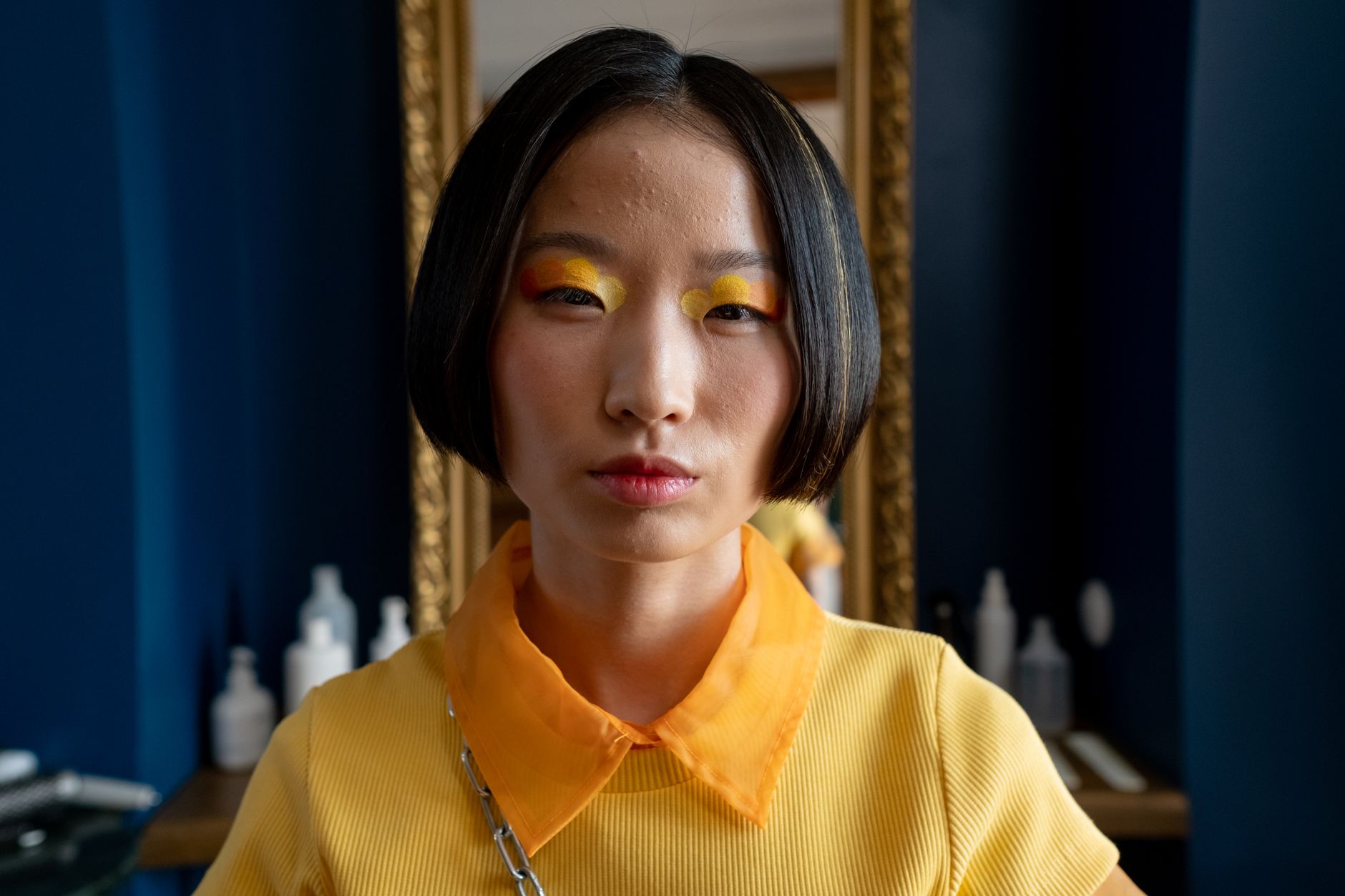
The wolf cut is rapidly becoming one of the trendiest hairstyles, combining the best elements of various cuts to create a unique, textured look. Inspired by the shag and mullet hairstyles, it features numerous layers that add volume and movement, making it suitable for various hair types and lengths. As its popularity grows, many are looking to understand the versatility and style of a wolf cut.
In this guide, we’ll explore what a wolf cut is, different styling options, and pro tips on how to achieve the look at home or in the salon. You’ll also discover some stunning photos for inspiration and practical styling tips to enhance your wild mane.
What Is a Wolf Cut Haircut?
A wolf cut is essentially a hybrid hairstyle that merges the shag haircut’s layering and the mullet’s shape. It features shorter layers around the crown and longer strands at the back, creating a shaggy, textured appearance. This cut can be personalized to suit different hair types and can range from subtle to dramatic, depending on your preferences.
The wolf cut gained prominence on social media, especially on platforms like TikTok and Instagram, where influencers and hairstylists share transformations that showcase its edgy yet playful vibe. It’s ideal for those looking for an effortlessly stylish look without requiring extensive maintenance.
Characteristics of a Wolf Cut
- Textured Layers: The hair is cut into layers of varying lengths, creating movement and volume.
- Face-Framing: Shorter layers around the face can accentuate your features, giving the cut a flattering appeal.
- Mullet-Inspired Back: The back is longer, resembling a modern take on the classic mullet, which can add a fun twist to your style.
- Versatile Lengths: The wolf cut can suit short, medium, or long hair, making it a flexible option for different hair lengths.
- Customizable: You can style it straight, wavy, or curly, allowing you to express your unique personality.
Who Can Rock a Wolf Cut?
The best part about the wolf cut is its versatility. This hairstyle can complement various face shapes, hair textures, and lengths. Here’s a breakdown of who might consider getting a wolf cut:
- Wavy or Curly Hair: The layers can enhance natural waves and curls, adding dimension while maintaining the hair’s natural texture.
- Straight Hair: A wolf cut can create the illusion of volume and thickness, making it perfect for those with fine hair.
- All Face Shapes: Whether you have a round, square, oval, or heart-shaped face, the face-framing layers can provide a flattering look.
- Mix of Lengths: It works well for both short and medium-length hair, allowing creative expression regardless of length.
Styles and Variations of the Wolf Cut
The wolf cut comes in several variations, allowing individuals to adapt it to their personal style. Here are some noteworthy styles:
The Classic Wolf Cut
The classic version features visible layers throughout the hair, with a shorter crown and longer back. It provides a balanced silhouette that is bold yet easily styled.
Wolf Cut with Bangs
This variation adds bangs to the wolf cut, framing the face and enhancing its overall texture. Curtain bangs or blunt bangs can be chosen based on personal preference.
Textured Wolf Cut
For those looking for a more dramatic effect, incorporating choppy layers throughout the hair can create a highly textured wolf cut. It adds greater movement and a fun, tousled appearance.
Long Wolf Cut
If you have longer hair, a long wolf cut with subtle layers can offer a softer look while maintaining the necessary structure. This style can appear elegant while still retaining an edgy vibe.
Colorful Wolf Cut
Adding color can elevate the wolf cut even further. Bold shades, highlights, or balayage techniques can enhance the cut’s layers, adding depth and dimension to your hairstyle.
How to Achieve the Wolf Cut
Whether you choose to visit a salon or attempt to cut your own hair, knowing how to achieve a wolf cut is essential. Below are steps to consider for both approaches:
At the Salon
- Consultation: Before getting the cut, it’s crucial to discuss your desired outcome with your stylist. Show them reference photos and explain any specific preferences.
- Cutting Technique: A professional stylist will typically use scissors or a razor to create soft, textured layers. The back will be left longer, while the front will be cut to frame the face.
- Styling Products: Ask your stylist for recommendations on products suited for your hair type to maintain the wolf cut’s shape and texture.
Cutting Your Own Hair
If you want to try a DIY approach, it’s essential to have some basic knowledge and tools:
- Tools Needed: A pair of sharp hair cutting scissors, a comb, hair clips, and a mirror.
- Preparation: Start with clean, dry hair. Section your hair into manageable parts using clips.
- Cutting Technique: Begin at the back, cutting the length to your desired length. Work your way forward, ensuring consistent layering, using a technique called “point cutting” for softer ends.
- Finish and Style: Once you’ve achieved the look, use a texturizing spray or mousse to enhance the layers.
Styling Tips for Your Wolf Cut
After securing your perfect wolf cut, consider these tips to style and maintain your new look:
Product Recommendations
- Texturizing Spray: A lightweight texturizing spray can add volume and wave to your hair, enhancing the wolf cut’s natural look.
- Sea Salt Spray: For a beachy texture, sea salt spray can give your hair that tousled, effortless vibe.
- Hair Wax or Pomade: These products can help define layers and separate strands for a choppier appearance.
Heat Styling
While the wolf cut can look great air-dried, using heat on occasion can create a different styled appearance. Here are some tips:
- Curling Iron or Wand: Curl sections of hair away from the face for loose waves that complement the wolf cut.
- Flat Iron: For a sleeker look, straighten the hair but keep the ends slightly flicked out for movement.
Regular Maintenance
To keep your wolf cut looking fresh:
- Frequent Trims: Schedule regular trims every 6 to 8 weeks to maintain the cut’s layer definition.
- Moisturize: Use moisturizing shampoos and conditioners to keep your hair healthy and well-hydrated.
Common Mistakes to Avoid
Creating or maintaining a wolf cut can be tricky, but avoiding these common mistakes can help you achieve the desired look:
- Over-Tapering Layers: Too many layers can lead to a shaggy appearance without structure. Consult your stylist if you’re unsure.
- Neglecting Texture Products: Neglecting to use the right styling products can make your hair look flat instead of voluminous.
- Not Personalizing the Cut: Each wolf cut should reflect individual style. Don’t shy away from customizing the length and layering to suit your face shape.
Should I Try a Wolf Cut?
Choosing a wolf cut can be a fun way to change your style and update your look. If you enjoy experimenting with hairstyles and want to stand out, consider giving this versatile cut a try. Make sure to think about your hair type, maintenance routine, and style preference to see if it suits you.
Consulting with a stylist can provide valuable insights about how the wolf cut can be tailored specifically to your hair. Remember to have fun with your style and embrace the wild, untamed look that a wolf cut offers!
Conclusion
The wolf cut is a bold, trendy choice that can be tailored to fit any hair type or length. With its layered texture and customizable options, it’s sure to turn heads. So, whether you’re ready to cut your hair or simply exploring ideas, the wolf cut offers a perfect blend of edgy and playful.
For additional hair care routines, tips for cutting your own hair, or learning how to style curtain bangs, feel free to explore our related beauty guides and tutorials for more information.