
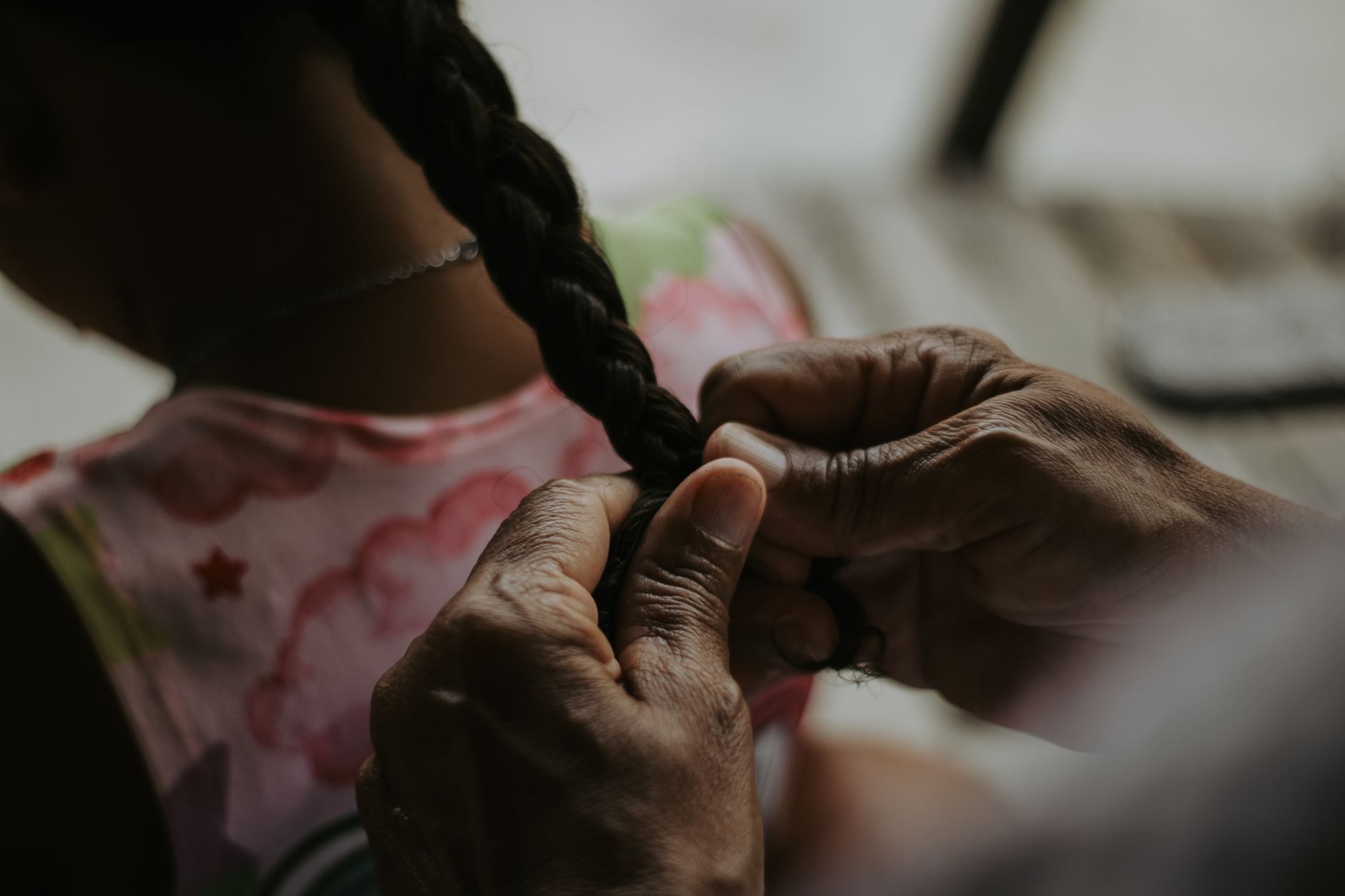
Braiding hair is a timeless and versatile styling technique that can elevate your look, whether you’re dressing up for a special occasion or simply want to keep your hair neat and tidy. Mastering a few basic braids can open the door to countless hairstyles. In this guide, we’ll break down the process of braiding hair into easy steps ideal for beginners, complete with helpful tips and tricks.
Whether you’re working with straight, wavy, or curly hair, braiding is an accessible skill to add to your beauty repertoire. From classic three-strand braids to stylish fishtail braids, learning how to braid can be a rewarding and creative outlet.
How to Braid Hair for Beginners?
To braid hair for beginners, start by gathering your tools, sectioning the hair, and learning the basic techniques. Begin with a classic three-strand braid, and as you gain confidence, explore more intricate styles. Consistent practice is key to mastering the art of braiding.
Essential Tools for Braiding
Before you begin braiding, it’s important to gather the necessary tools. Here’s what you’ll need:
- Hairbrush or comb: For detangling your hair.
- Hair ties: To secure your braid and prevent it from unraveling.
- Hair clips: To section off hair if necessary.
- Water or styling spray: Helps tame frizz and make hair easier to manage.
Preparing Your Hair for Braiding
Properly preparing your hair will ensure a smoother braiding experience. Here are some tips to prep your hair:
- Start with Clean Hair: Wash and dry your hair before braiding to remove any product buildup.
- Detangle: Use a brush or wide-tooth comb to remove any knots and tangles. This will help the braid look sleek and tidy.
- Moisturize: If you have dry hair, consider applying a light leave-in conditioner or hair oil for added moisture and shine.
- Use Water: Lightly misting your hair with water can make braiding easier, especially for those with textured or wavy hair.
Basic Braiding Techniques
The Three-Strand Braid
The classic three-strand braid is the foundation for many other styles. Follow these steps to create it:
- Section the Hair: Divide the hair into three equal sections. Hold the right section in your right hand, the left section in your left hand, and the middle section between your fingers.
- Cross the Right Section: Take the right section and cross it over the middle section. Now, the right section becomes the middle section.
- Cross the Left Section: Next, take the left section and cross it over the new middle section. The left section is now the middle section.
- Repeat: Continue crossing the right section over the middle, then the left section over the new middle. Keep the tension consistent as you braid.
- Secure the End: Once you reach the desired length, secure the braid with a hair tie. Adjust the braid by gently pulling on the sides to create volume if desired.
With practice, this basic braid will become a fast and easy option for everyday hairstyles.
The Fishtail Braid
The fishtail braid is a beautiful style that looks intricate but is quite simple to master. Here are the steps:
- Section the Hair: Divide your hair into two equal sections.
- Take a Small Piece: From the outer edge of the right section, grab a small piece of hair and pull it over to the left section.
- Repeat: Now, take a small piece from the outer edge of the left section and bring it over to the right section.
- Continue Braiding: Alternate this process until all the hair has been incorporated and you reach the end of your hair.
- Secure It: Use a hair tie to hold the braid in place.
Tips for Beginners
As a beginner, you might face challenges while learning to braid. Here are some practical tips to improve your technique:
- Practice Regularly: Regular practice makes perfect. Spend a few minutes each day practicing different braid styles.
- Use Smaller Sections: When starting, it may help to use smaller sections of hair to make it easier to control.
- Keep Tension Even: Applying even tension while braiding will result in a tidy, neat braid.
- Start with Dry Hair: Braiding dry hair can often be easier than braiding wet hair, as wet hair may be slippery.
- Have Patience: Don’t be discouraged if you don’t get it right away. Allow yourself time to learn and improve.
Common Braiding Mistakes
Even experienced braiders make mistakes from time to time. Here are some common issues to watch for and how to address them:
- Uneven Sections: If sections are not equal, the braid may look lopsided. Always ensure even sections before starting.
- Too Much Tension: Pulling too tightly can cause discomfort and lead to breakage. Keep a relaxed grip while braiding.
- Hair Slipping Out: If hair falls out of your braid, it may be a sign to use a bit of product like hairspray to tame flyaways.
- Frizz: Using a leave-in product or light oil can help minimize frizz and keep braids looking smooth.
Exploring Different Braid Styles
Once you feel comfortable with the basic three-strand braid and the fishtail braid, consider exploring these additional styles:
- French Braid: This braid begins at the crown of the head and incorporates more hair as you go along. It’s ideal for a polished look.
- Dutch Braid: Similar to the French braid but secured beneath, creating a raised effect that stands out beautifully.
- Four-Strand Braid: This braid adds extra sections for a thicker, more intricate style.
- Waterfall Braid: A stunning braid that allows pieces of hair to cascade down, giving a whimsical appearance.
Creating Braided Updos
Braids can also be incorporated into elegant updos for special occasions. Here’s a simple way to create a braided bun:
- Braid Your Hair: Start by creating a basic braid of your choice, securing it with a hair tie.
- Twist and Secure: Gather the braided hair and twist it into a bun at the base of your neck or at the crown of your head.
- Secure with Pins: Use bobby pins to secure the bun in place, adjusting to achieve your desired shape.
- Finish with Hairspray: A light mist of hairspray will help keep your updo intact throughout the day.
Maintaining Your Braids
Taking care of your braids is just as important as learning how to braid. Here are some maintenance tips:
- Keep Hair Moisturized: Depending on your hair type, use a leave-in conditioner or hair oil to keep braids looking fresh.
- Limit Tension: If wearing braids frequently, avoid causing undue tension on your scalp to prevent damage.
- Wash Carefully: When washing braids, use a gentle cleanser to avoid tangling, and let them dry completely to reduce odor and buildup.
- Give Your Hair Breaks: Take breaks between braiding styles to allow your hair and scalp to recover.
What to Do If You Encounter Challenges
If you find yourself facing challenges while trying to braid, don’t worry! Here are some suggestions:
- Watch Tutorials: Online video tutorials can help visualize the techniques you are trying to learn.
- Ask for Help: Don’t hesitate to seek assistance from friends or family members who are more experienced.
- Slow Down: Taking your time will allow you to focus on the individual steps of braiding.
Conclusion
Learning to braid hair is an art that opens up a world of styling options. With practice, you will gain confidence and creativity. Start with the classic three-strand braid and the fishtail braid, then gradually explore other styles. Remember that patience and practice are your best tools as you embark on this hairstyling journey.
For your next steps, try practicing the techniques mentioned above, and experiment with different styles to find what you love. You may also want to check out detailed guides on how to braid your own hair and how to braid for more inspiration. Happy braiding!