
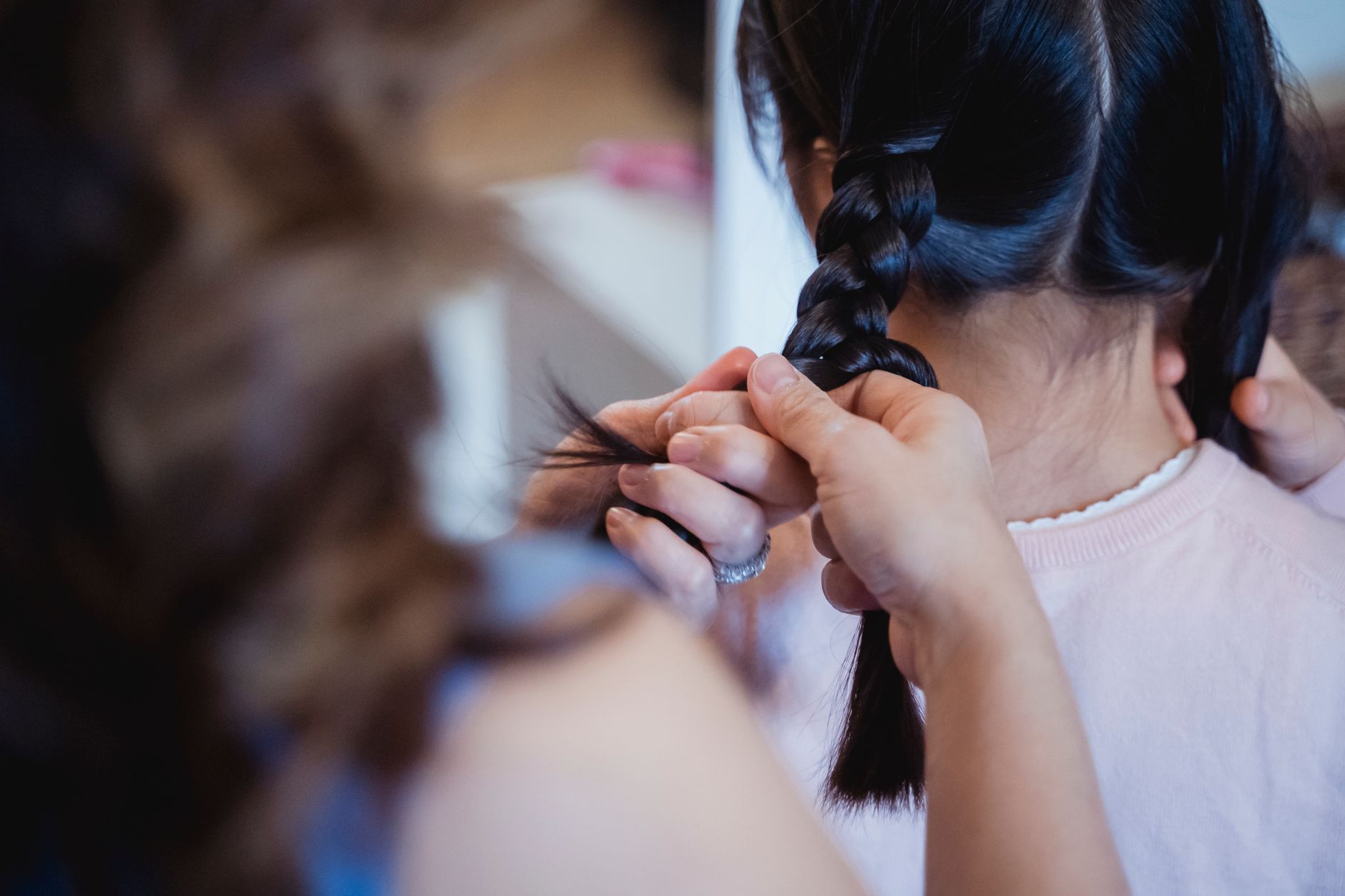
Braiding hair is a beautiful and practical way to style your locks, whether you’re looking for an everyday look or preparing for a special occasion. For beginners, braiding may seem daunting, but with the right steps and a little practice, you will be able to create various styles effortlessly. In this guide, we will cover simple techniques to help you master the art of braiding.
This complete guide will explain not only how to braid your hair but also introduce you to different types of braids, suitable hair types, and some common mistakes to avoid. Let’s dive into the world of braids!
How to Braid Hair for Beginners: What Are the Basic Steps?
To braid hair successfully, you only need to follow a few simple steps. Start by gathering the right tools and understanding the structure of a basic braid.
Necessary Tools for Braiding Hair
- Hairbrush or comb for detangling
- Hair tie or elastic band
- Hair clips or pins to manage sections
- Moisturizing hair product (optional for frizz control)
The Basic Structure of a Braid
A basic braid consists of three sections of hair that intertwine with each other. Each section alternates between the left and right parts to create the braid. Understanding this fundamental structure is crucial to nailing the technique.
Step-by-Step Guide to Braiding Hair
Here’s how to create a simple three-strand braid, the foundation for many other braid styles:
- Prepare Your Hair: Start with clean, dry hair that is free of tangles. Use a hairbrush or comb to detangle, applying a light leave-in conditioner if desired.
- Section the Hair: Divide your hair into three equal sections at the nape of your neck or wherever you want the braid to start. Hold one section in each hand, with the third section resting in the middle.
- Start Braiding: Begin by crossing the left section over the middle section. Next, take the right section and cross it over the new middle section. This creates the first full cycle.
- Repeat the Process: Continue alternating by crossing the left section over the middle, then the right section over the middle. Maintain an even tension for a neat braid.
- Finish the Braid: Once you reach the desired length for your braid, secure it with a hair tie. Make sure to choose a tie that matches your hair color for a seamless look.
Tips for a Neat Braid
- Keep your sections uniform in size for a consistent appearance.
- Maintain even tension as you braid to avoid looseness in some areas.
- If needed, use a bit of hair spray to keep flyaways in check.
Exploring Different Types of Braids
Once you’ve mastered the basic braid, you’ll likely want to try different styles. Here are a few popular variations to consider:
French Braid
French braids incorporate hair from the sides into the braid as you work down the head, resulting in a beautiful, intricate look.
- Start with a section at the front, dividing it into three equal parts.
- Begin braiding as before, crossing left over the middle, then right over the new middle.
- Before each cross, add a small section of hair from the corresponding side (left or right) before crossing it over the middle.
- Continue adding hair until you reach the nape of your neck, then finish with a simple braid and secure it.
Dutch Braid
The Dutch braid, also known as an inverted braid, is similar to the French braid but appears raised. This style stands out and gives a unique look.
- Begin with the same starting point as the French braid, but cross the sections under the middle strand instead of over it.
- Each time you add hair, continue to cross under the middle strand.
- Finish just like a regular braid, securing it at the end.
Fishtail Braid
The fishtail braid is a stunning style that uses just two sections instead of three.
- Divide your hair into two equal parts.
- Take a small section from the outer edge of one part and cross it over to the other part.
- Repeat on the other side, alternating until you reach the end. Secure with a hair tie.
Understanding Hair Types for Braiding
Different hair types can impact how your braid holds and looks. Here are a few key considerations based on hair texture:
Fine Hair
Fine hair may require some product for grip. Use a texturizing spray or mousse before braiding to help maintain hold and volume.
Thick Hair
Thick hair can make braiding challenging due to its weight. Ensure your sections are well-distributed and hold firmly to keep tension even throughout.
Curly or Textured Hair
For curly or textured hair, it’s important to work with damp hair and consider using a styling cream to define curls. This helps in maintaining moisture while braiding.
Common Mistakes to Avoid While Braiding Hair
Even experienced braiders can make mistakes that lead to frustrating results. Here’s a highlight of common pitfalls and how to avoid them:
- Uneven Sections: Starting with sections of differing size can lead to an awkward-looking braid. Always aim for equal parts.
- Pulling Too Tight: Braiding too tightly can cause discomfort and breakage. Keep your tension even, but not excessive.
- Forgetting to Secure: Neglecting to secure your braid properly at the end can result in it unraveling. Always use a strong yet gentle hair tie.
Creating a Braided Hairstyle: Practical Tips
Once you’ve mastered braiding, you can explore different styles by incorporating braids into various looks. Here are some creative ideas:
- Braid Your Ponytail: Add a simple braid to your ponytail for a chic twist.
- Half Up, Half Down: Use braids to create a half-up hairstyle by braiding the top sections and securing them at the back.
- Braided Crown: Create a halo effect by wrapping braids around your head and securing them with pins.
Protecting Your Hair While Braiding
While braiding is a great way to style your hair, it’s essential to consider the impact on your hair’s health. Here are some tips to protect your locks:
- Limit tight styles to avoid tension and potential breakage.
- Give your hair a break from braids every so often to allow your strands to rest.
- Use gentle hair accessories, such as fabric ties, to minimize damage.
How to Maintain Your Braids
To keep your braids looking fresh, maintenance is key. Here’s how:
- Keep Hair Clean: Wash your hair regularly, especially if you have used products while braiding.
- Moisturize: Apply leave-in conditioners or oils to prevent dryness.
- Avoid Sleeping with Wet Braids: Always dry your hair completely to prevent tangles and mildew.
Conclusion
With practice, anyone can learn how to braid their hair beautifully. Start with the basic three-strand braid, then explore different styles like French braids, Dutch braids, and fishtail braids. Don’t be afraid to experiment and find what works best for your hair type and texture.
For your next step, try practicing the French braid with the tips and techniques provided. Remember, each braid you create will enhance your skill! Explore other helpful guides such as How to French Braid and How to Braid Your Own Hair for more styles and tips.