
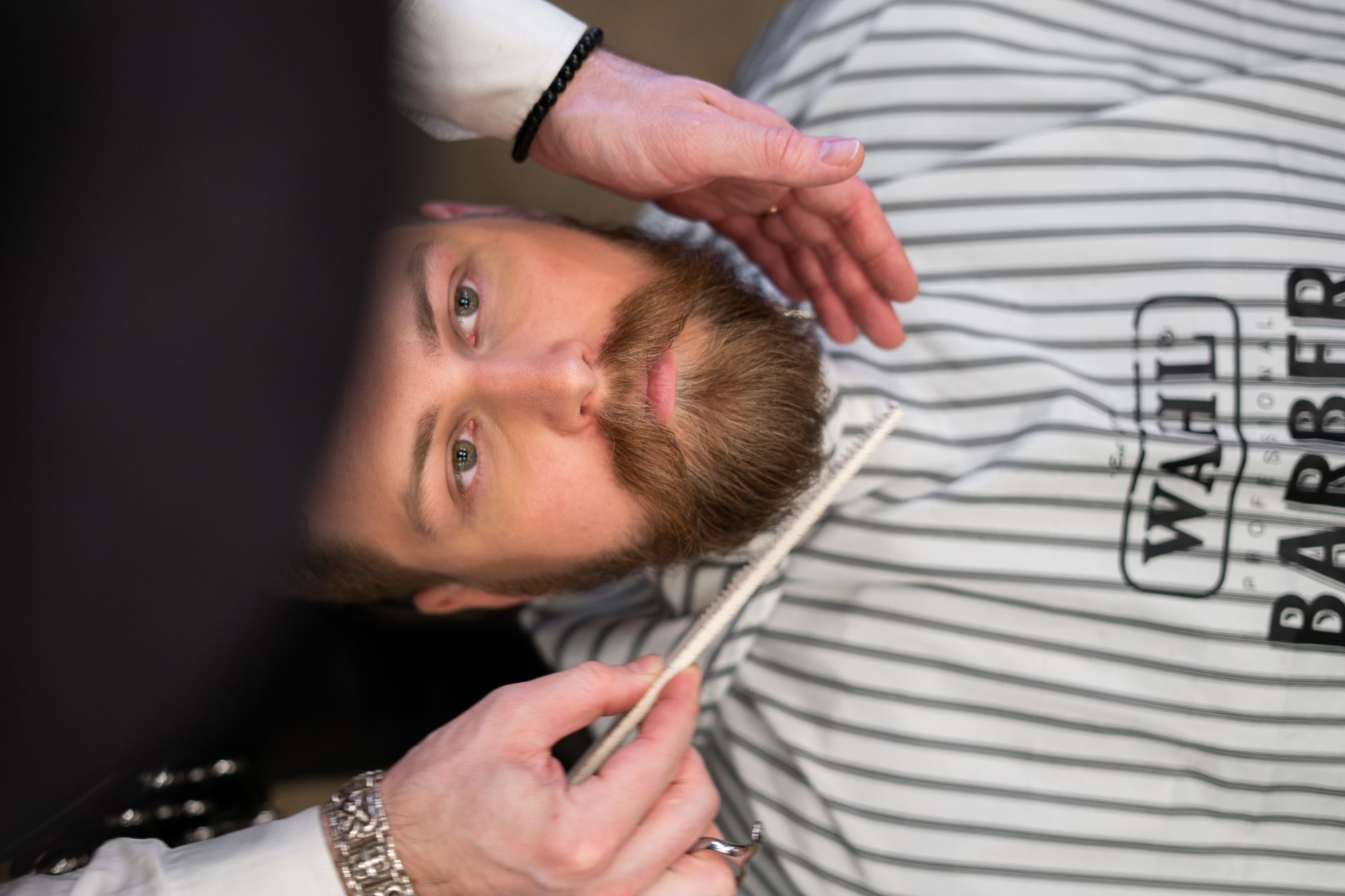
Growing a beard can be a journey filled with anticipation and sometimes frustration. The timeline for beard growth varies significantly among individuals, influenced by a combination of genetics, skincare, and grooming practices. This comprehensive guide reveals how long it typically takes to grow a beard, provides a realistic timeline, and offers tips for fostering a healthy beard growth process.
Whether you are aiming for a full, bushy beard or a more refined look, understanding the factors that affect growth can lead to better results. So, let’s explore the journey of beard growth, step by step.
How Long to Grow a Beard?
The length of time it takes to grow a beard largely depends on several factors including genetics, age, and hormone levels. On average, it can take anywhere from two weeks to six months for most men to grow a full beard. However, every individual is unique; some may find they can grow a beard more quickly, while others may have a slower growth rate.
The Beard Growth Timeline
Understanding a timeline for beard growth can set realistic expectations. Here’s a general overview of what to expect in terms of growth stages:
- Week 1-2: Initial Growth
During the first two weeks, you might notice light fuzz appearing on your face. This stage is essential for starting off the process, but many might feel tempted to shape or trim the beard at this point. Resist the urge as this period is crucial for hair follicles to develop.
- Week 3-4: Developing Patchiness
By weeks three to four, hair density will typically increase. Unfortunately, some patches may still appear as the hair grows unevenly. Embrace that patchiness! This is normal as hair follicles mature, and with continued growth, the beard will eventually fill out.
- Month 2: The Awkward Stage
As you hit the two-month mark, your beard will enter what many call the “awkward stage.” It can be an uncomfortable period, as the hair grows longer and you might find it less manageable. Regular grooming can help maintain a neater appearance during this turbulent time.
- Month 3-4: Improved Density
After approximately three to four months, your beard’s density and length will significantly improve. By this stage, your beard should start to take shape, and most of the patchiness will resolve. It’s an exciting time where you can start experimenting with different styles.
- Month 6 and Beyond: Mature Beard
Around the six-month mark, your beard will be fully formed, with thicker hair and greater coverage. This is the time to define a personal grooming routine, aiding in styling and caring for the beard appropriately.
Factors Affecting Beard Growth
While timelines can provide general guidance, there are several influential factors affecting individual beard growth rates:
Genetics
Genetics play a fundamental role in determining beard growth. If your father or grandfather had thick, full beards, you are likely to experience similar growth patterns. With genetic propensity, the density, length, and color of your beard will vary.
Age
Age also impacts beard growth, as testosterone levels rise during puberty and decrease as one ages. Typically, male beard growth peaks during the 20s and can continue to develop as they approach their 30s. However, some may notice changes in hair texture and thickness into their 40s and 50s.
Health and Nutrition
Body health significantly influences beard growth. A diet lacking in essential nutrients can result in slower growth. Key nutrients for hair growth include:
- Protein
- Vitamins A, C, E
- B vitamins (especially Biotin)
- Omega fatty acids
- Zinc and Iron
Incorporating a well-balanced diet might help boost the health of hair follicles for optimal growth.
Hormone Levels
Testosterone and its derivative DHT (Dihydrotestosterone) are crucial for beard growth. Higher levels of testosterone generally lead to more significant beard growth. Factors such as stress, poor diet, and sedentary lifestyle can decrease testosterone levels, potentially slowing down growth.
Grooming and Skincare Practices
Regular grooming and a good skincare routine can support healthy beard growth. This includes keeping the skin and hair clean, hydrated, and well-nourished. Applying beard oils and conditioners can enhance softness while preventing itchiness and skin irritation.
Tips to Maximize Beard Growth
Do you want to optimize the speed and quality of your beard growth? Below are tips to assist you in achieving that luscious beard.
1. Maintain a Healthy Diet
Feed your body the right nutrients essential for hair growth. Include proteins, healthy fats, and vitamins in your diet to ensure that your body has everything it needs to support hair follicle health.
2. Stay Hydrated
Hydration is crucial for overall health and impacts hair texture and strength. Drinking adequate water daily can keep skin and hair follicles nourished, promoting better growth.
3. Exercise Regularly
Exercise stimulates blood circulation, which can promote hair follicle health. Additionally, it may help increase testosterone levels, which supports beard growth.
4. Proper Skincare Routine
A consistent skincare routine ensures that your skin remains healthy, making optimal conditions for beard growth. Here’s a basic skincare routine for beard care:
- Cleansing: Use a gentle cleanser suited for your skin type to keep pores clean.
- Exfoliating: Exfoliate once or twice a week to remove dead skin and allow for better hair growth.
- Moisturizing: Follow up with a beard oil or moisturizer to nourish both skin and hair.
5. Use Beard Products
Invest in quality beard oils, balms, and conditioners. These products can help soften the beard, reduce itching, and keep stray hairs in check as it grows. Look for natural ingredients that promote health.
6. Trim Sparingly
While it may be tempting to trim your beard, especially during the awkward stage, resist the urge to keep it from growing completely. You can tidy up the edges while leaving the bulk to grow.
7. Have Patience
Lastly, be patient during the entire process. Understand that growing a beard is not an overnight success. Every individual’s hair growth is unique, and it will take time to achieve the desired look.
Common Beard Growth Mistakes
As you embark on this journey, be wary of common pitfalls that may hinder growth:
- Overtrimming: Regular, unnecessary trims can stall growth. Allow your beard to grow freely for optimal results.
- Lack of care: Neglecting skincare and haircare can lead to dry skin and brittle hair, ultimately affecting growth.
- Bingeing on products: Too many products can overwhelm your beard and scalp. Stick to a few high-quality essentials.
- Giving up too soon: Many people quit before they see results. It’s essential to stay committed and trust the process.
Signs of Beard Growth Issues
Monitoring your beard growth is critical. Here are signs that you may need a change in your grooming routine or lifestyle:
- Extreme patchiness that doesn’t improve after three to four months.
- Excessive itching or discomfort in the beard area.
- Dry or brittle hair that doesn’t respond to conditioning.
- Any irritation or skin conditions that develop.
If you encounter these issues, consider consulting a dermatologist or a grooming professional for personalized advice.
FAQs About Beard Growth
Does shaving make my beard grow faster?
No, shaving does not influence the speed of beard growth. The rate of hair growth is essentially determined by genetics and hormone levels. Shaving may create a sharper edge and can make it appear thicker, but it does not affect growth speed.
Can I speed up beard growth with supplements?
While certain supplements may promote overall hair health, no specific supplement guarantees faster beard growth. Always consult with a healthcare provider before starting any new supplements.
What is the average beard growth rate?
The average rate of beard growth is about half an inch per month. However, this varies widely among individuals, so some may see faster growth, while others may take longer.
What should I do if my beard is very patchy?
If you experience patchiness, remember it’s often a normal phase during the growth process. Be patient and allow the beard to grow for several months. You can also explore styles that work with your unique growth pattern.
Conclusion
Growing a beard is a journey that varies greatly between individuals, often requiring patience and a commitment to health and grooming practices. Understanding the timeline and factors influencing beard growth can guide you in your quest for the perfect beard. Remember, every beard is unique, and the most important part is finding a style that suits you best. Embrace the journey, and best of luck achieving your beard goals!
Ready to further explore your grooming options? Check out our guides on how to grow a beard and how long Minoxidil takes to work for additional insights and tips!