
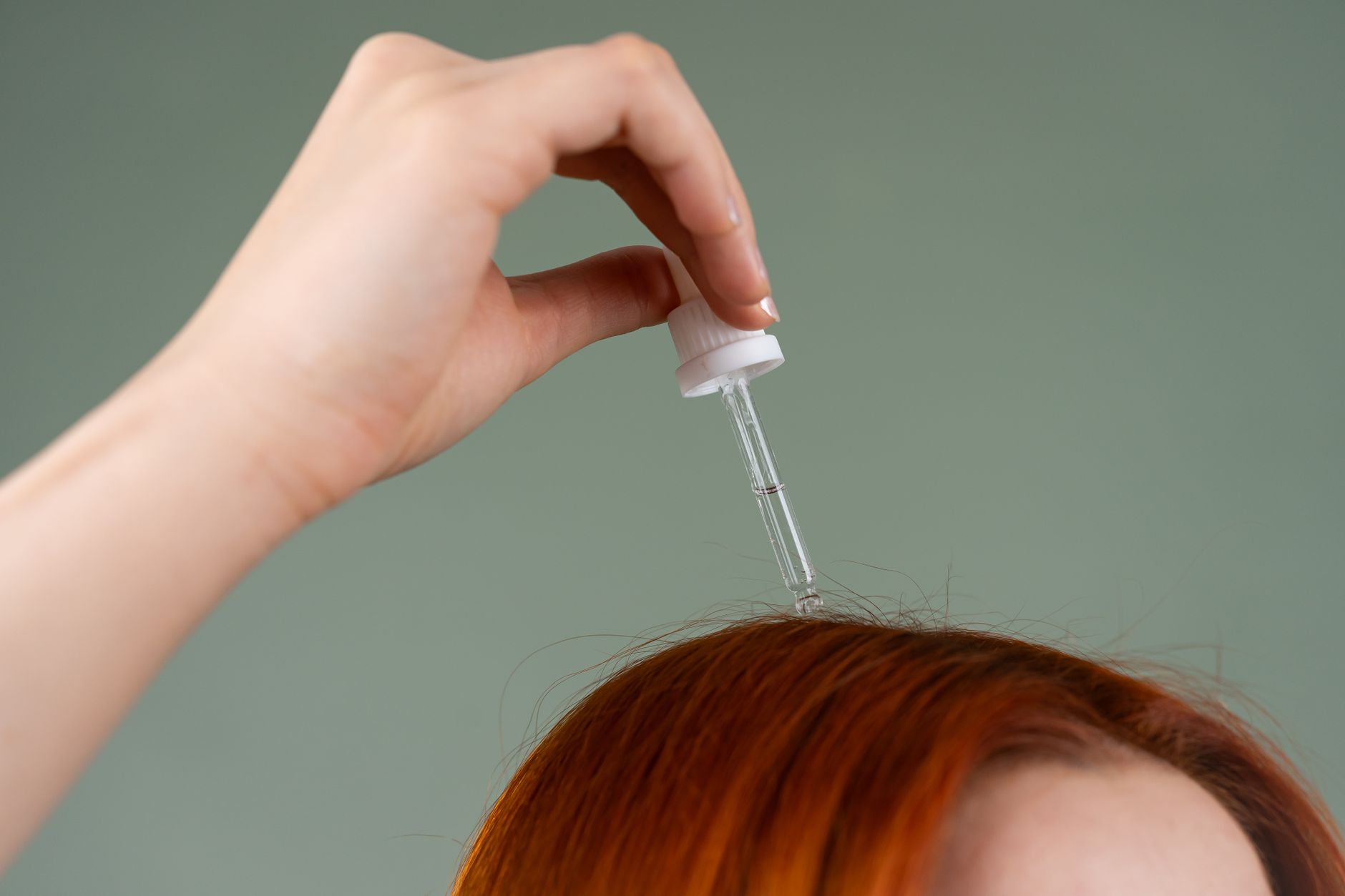
Minoxidil is a popular topical treatment used primarily for hair loss. Many people turn to Minoxidil to stimulate hair growth and combat thinning hair, but understanding when you might see results can be a bit tricky. This article delves into how long it typically takes for Minoxidil to work and what factors can influence that timeline.
Whether you’re dealing with hereditary hair loss or other forms of thinning, knowing the expected timeline for Minoxidil can help you manage your expectations and stay motivated throughout your hair restoration journey.
How Long Does Minoxidil Take to Work?
Typically, you can expect to see initial results from Minoxidil within 4 to 6 months of consistent use. However, full results often take anywhere from 6 to 12 months. Individual factors like your age, hair type, and the extent of hair loss can also affect how quickly you see improvements.
Understanding Minoxidil: How It Works
Before diving into the timeline, it’s essential to understand how Minoxidil functions. Originally developed as a medication for high blood pressure, it was noticed that one of the side effects was increased hair growth. This led to the formulation of topical Minoxidil for hair loss treatment.
Minoxidil works by revitalizing hair follicles, increasing blood circulation to the scalp, and prolonging the growth phase of hair follicles. This helps to stimulate hair growth and can potentially reverse thinning, depending on the individual’s condition.
The Typical Timeline of Minoxidil Use
The journey with Minoxidil can be broken down into several key timeframes:
- Weeks 1-4: Initial Adjustments
- Weeks 4-6: Shedding Phase
- 4-6 Months: Initial Growth
- 6-12 Months: Visible Results
Weeks 1-4: Initial Adjustments
In the first month of using Minoxidil, you might not notice significant changes. Your scalp is adjusting to the treatment. During this time, ensure you are applying the product as directed, either once or twice daily, depending on the formulation. Commitment during this phase is crucial.
Weeks 4-6: Shedding Phase
Many users experience increased hair shedding in the first few weeks. This can be alarming, but it is often a sign that the hair follicles are shedding old hair to make way for new growth. This shedding phase is generally temporary and can last from a few weeks to a couple of months.
4-6 Months: Initial Growth
By the four-to-six-month marker, you may begin to notice finer hair regrowth. These are often referred to as “vellus hairs,” which are soft and light in texture. At this point, some users may become more encouraged as they see the first signs of new growth.
6-12 Months: Visible Results
After six months of consistent use, users typically can see fuller hair and improved density. By the twelve-month mark, many individuals experience substantial improvements in hair volume and scalp coverage. It’s important to remember that results can vary significantly, so patience is key.
Factors That Influence Minoxidil Efficacy
While the above timeline provides a general guideline, several individual factors can impact how quickly you see results from Minoxidil:
- Extent of Hair Loss: Those with early stages of hair loss may notice quicker results than those with significant baldness.
- Age: Younger individuals may respond better to treatment compared to older users, as hair follicles may be more active.
- Consistency of Use: Adhering strictly to the application guidelines affects results significantly. Missing doses can slow progress.
- Underlying Health Conditions: Certain medical conditions or medications can influence hair growth and effectiveness.
Minoxidil Application Tips
To maximize your chances of seeing results, consider these application tips:
- Follow Dosage Instructions: Use the recommended amount specified in the product instructions.
- Apply on Dry Scalp: Ensure your scalp is dry before application for optimal absorption.
- Be Consistent: Aim to apply the solution at the same time each day to create a habit.
- Don’t Wash Hair Immediately: Allow the medication to absorb for at least 4 hours before washing your hair.
- Be Gentle: Avoid aggressive massaging of the scalp when applying to prevent irritation.
Common Mistakes When Using Minoxidil
An effective Minoxidil regimen can be compromised by some common mistakes:
- Inconsistent Use: Infrequent application can lead to suboptimal results.
- Overuse: Applying more than the recommended amount does not speed up results and may increase side effects.
- Ignoring Irritation: If scalp irritation occurs, it may be necessary to adjust your application or consult a professional.
- Not Shaking the Bottle: With some formulations, not shaking the bottle can prevent the active ingredients from mixing properly.
Potential Side Effects
While Minoxidil is generally safe for use, it can have side effects. Common ones may include:
- Itching or irritation at the site of application
- Unwanted facial hair growth in women
- Dryness or flaking of the scalp
- Rapid heartbeat in rare cases
If you experience severe side effects or persistent irritation, it’s essential to stop using the product and consult a healthcare provider.
Does Everyone Experience Hair Regrowth?
Not everyone will experience the same degree of hair regrowth. Factors such as genetics, the type of hair loss, and individual responses to the treatment can impact results. While many users see significant improvements, others may not achieve their desired results after a year of use.
It is also worth noting that Minoxidil does not work for everyone, especially those with extensive hair loss. For individuals with complete baldness for a long time, alternatives like hair transplants might be more effective.
Complementing Minoxidil with Other Treatments
For some people, using Minoxidil in conjunction with other hair loss treatments can enhance results. Some popular complementary treatments include:
- Finasteride: A prescription medication that can help reduce hair loss in men by blocking levels of DHT, a hormone linked to hair loss.
- Hair Growth Shampoos: Formulas containing ingredients like ketoconazole or saw palmetto may help support a healthy scalp environment.
- PRP Therapy: Platelet-rich plasma treatments are offered by dermatologists and can stimulate hair follicles further.
- Essential Oils: Scalp massages with oils like rosemary or peppermint can also boost circulation and may support hair growth.
Maintaining Results After Minoxidil Treatment
After reaching your desired results with Minoxidil, you may wonder how to maintain them. Hair restoration is often an ongoing process, so consider the following:
- Continue Usage: Most experts recommend continuing Minoxidil for maintenance even after achieving results.
- Regular Check-ups: Schedule regular follow-ups with a healthcare provider to monitor your progress and make necessary adjustments.
- Healthy Lifestyle: A balanced diet rich in vitamins and minerals, alongside hydration and stress management, can support hair health.
Realistic Expectations with Minoxidil
It’s essential to have realistic expectations regarding the results of using Minoxidil. While many users see positive effects, others may find that the results are different from what they hoped for. Factors such as the individual’s unique physiology, underlying causes of hair loss, and lifestyle choices all play a significant role.
The key takeaway? Patience is critical. Your journey with Minoxidil is a personal one, and keeping a positive mindset can help you through the ups and downs of the process.
Conclusion
In summary, the timeline for Minoxidil varies among individuals, but many start to see working results within 4 to 6 months and reach their maximum benefit around 12 months. Stay committed to the application guidelines, monitor your progress, and consult with professionals if you have concerns or experience side effects. The journey to fuller hair can be long, but with patience and care, it can also be rewarding.
For more insights, explore related topics like does rosemary oil grow hair and how to grow your hair faster to enhance your hair care knowledge and practices.