
Whiteheads can be a frustrating skincare concern for many, manifesting as small, white bumps on the skin, primarily on the face. They occur when excess oil, dead skin cells, and bacteria clog hair follicles. Understanding effective treatment options and preventive measures can empower you to manage this common issue with confidence.
This article explores various strategies to get rid of whiteheads, actionable tips for prevention, and tailored recommendations for various skin types. Whether you have oily, dry, or combination skin, you can find solutions that suit you.
How to Get Rid of Whiteheads?
To effectively get rid of whiteheads, consider a combination of targeted skincare treatments, gentle exfoliation, and preventative practices. Cleansing regularly, using non-comedogenic products, and applying active ingredients like salicylic acid can significantly reduce their appearance and prevent future breakouts.
Understanding Whiteheads
Whiteheads, also known as closed comedones, are a type of acne resulting from clogged pores. Unlike blackheads, which have an open surface that oxidizes and turns dark when exposed to air, whiteheads stay beneath the skin’s surface, appearing as small, white bumps. Recognizing their causes and triggers is essential in addressing and preventing them.
Common Causes of Whiteheads
- Excess Sebum Production: Oily skin may produce more sebum, leading to clogged pores.
- Dead Skin Cells: When skin cells do not shed properly, they can accumulate and contribute to blockages.
- Bacteria: The presence of acne-causing bacteria can exacerbate breakouts.
- Hormonal Changes: Hormonal fluctuations, such as those during puberty, menstruation, or pregnancy, may increase sebum production.
- Pore-Clogging Products: Certain makeup or skincare products can exacerbate clogging.
Treatment Options for Whiteheads
Now, let’s delve into various treatment options you can incorporate into your skincare routine to effectively manage and reduce whiteheads.
Cleansing
Start with a gentle yet effective cleansing routine. Choose a cleanser that suits your skin type to remove impurities without stripping essential moisture.
- Morning: Use a gel or foaming cleanser formulated for acne-prone skin, containing ingredients like salicylic acid or tea tree oil.
- Evening: Double cleanse if you wear makeup or sunscreen. First, use an oil-based makeup remover, followed by your regular cleanser.
Exfoliation
Regular exfoliation is crucial in preventing clogged pores and removing dead skin cells. There are two main types of exfoliation: physical and chemical.
Physical Exfoliation
This involves using scrubs or tools to manually remove dead skin cells. However, be cautious not to over-exfoliate as it can irritate the skin.
Chemical Exfoliation
Chemical exfoliants, such as AHAs (alpha hydroxy acids) and BHAs (beta hydroxy acids), offer a gentler option. A popular choice for treating whiteheads is salicylic acid, a BHA that penetrates the pores and aids in unclogging them.
Treatment Products
In addition to exfoliants, integrating treatment products can address whiteheads more effectively. Look for the following active ingredients:
- Salicylic Acid: This beta hydroxy acid is oil-soluble, allowing it to penetrate and clear out clogged pores.
- Benzoyl Peroxide: Helps kill acne-causing bacteria and reduce inflammation.
- Retinoids: These vitamin A derivatives promote cell turnover and prevent pore-clogging.
- Niacinamide: Known for its anti-inflammatory properties, niacinamide can help reduce redness and irritation associated with whiteheads.
Spot Treatments
Consider using targeted spot treatments containing salicylic acid, benzoyl peroxide, or sulfur. Apply these only on the affected areas to minimize potential irritation to surrounding skin.
Hydration
Maintaining hydrated skin is essential, even for oily skin types. Opt for oil-free, non-comedogenic moisturizers to keep your skin balanced without adding excess oil.
Masks
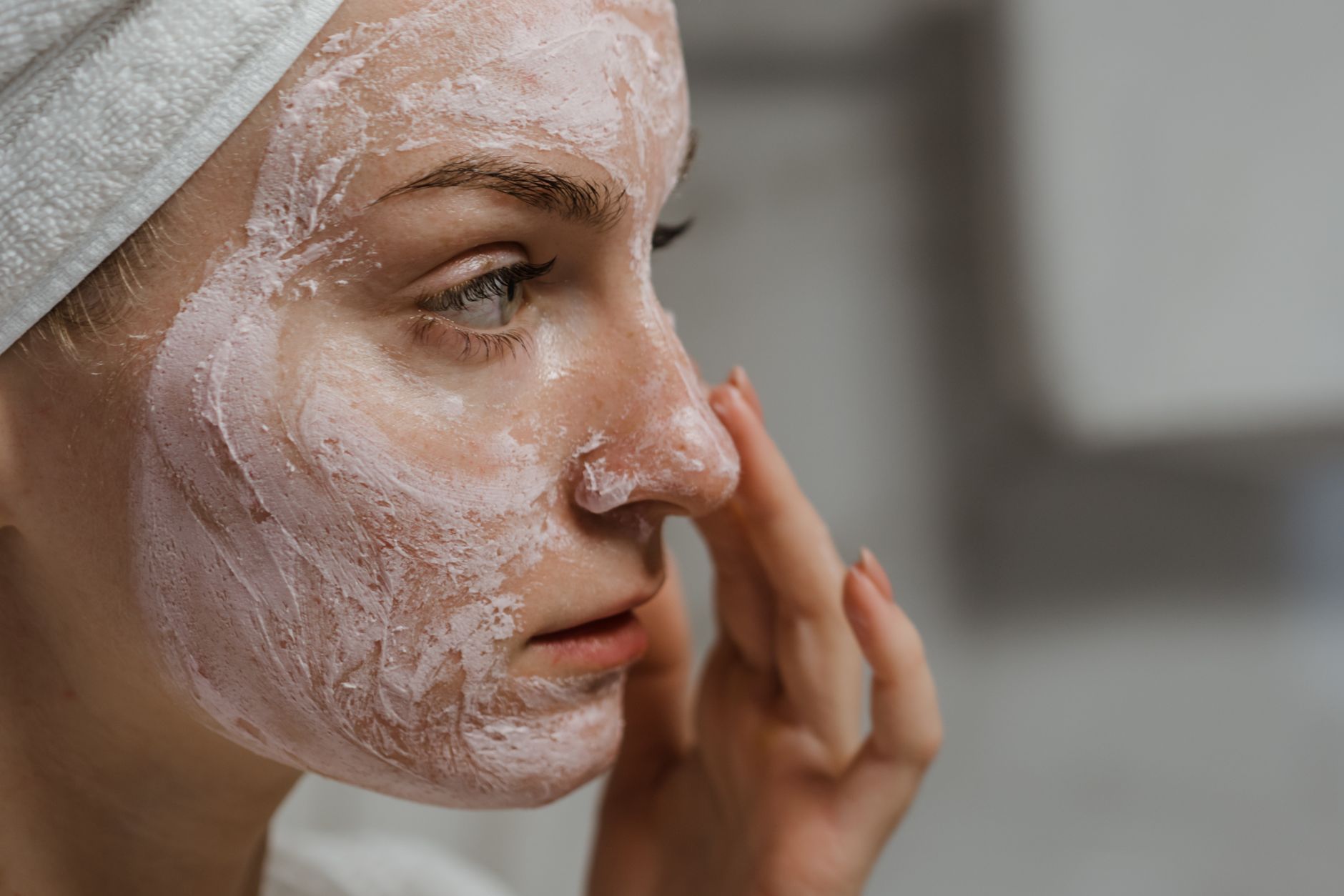
Clay or charcoal masks can help absorb excess oil and draw out impurities from the pores. Use these masks once or twice a week as a part of your skincare routine.
Additional Tips for Treating Whiteheads
- Avoid Picking: Resist the urge to squeeze or pick at whiteheads. This can lead to scarring or further irritation.
- Keep Hair Clean: If you have long hair, keep it styled away from your face, and ensure it’s clean to avoid transferring oils and products onto your skin.
- Change Pillowcases Regularly: Dirty pillowcases can accumulate oil and bacteria. Change them weekly to reduce bacteria exposure.
- Stay Hydrated: Drinking plenty of water may support skin health.
Preventative Measures
While treating existing whiteheads is crucial, implementing preventive measures can help you maintain clearer skin in the long term.
Know Your Skin Type
Understanding your skin type is the foundation of an effective skincare routine. If you have oily skin, look for products labeled as oil-free or non-comedogenic, while those with dry or sensitive skin should wear hydrating and soothing ingredients.
Choose Non-Comedogenic Products
When selecting makeup and skincare products, look for formulations that are labeled non-comedogenic, meaning they are less likely to clog pores. Ingredients such as hyaluronic acid and glycerin are great for hydration without causing breakouts.
Keep Your Skin Clean
Maintain a consistent skincare routine that involves cleansing your face morning and night to remove dirt, excess oil, and makeup.
Balanced Diet
Consuming a balanced diet that includes plenty of fruits, vegetables, and whole grains may help support overall skin health. Avoiding excessive sugar and dairy may also reduce acne flare-ups for some individuals.
Manage Stress
Stress can exacerbate acne. Explore relaxation techniques such as yoga, meditation, or deep-breathing exercises to help manage stress levels.
Building a Skincare Routine
Creating a routine that incorporates the steps and products discussed can set you on the path to clearer skin. Below is a simple skincare routine to consider.
Morning Routine
- Cleanser: Start with a gentle gel cleanser.
- Toner: If desired, follow with a toner containing witch hazel or salicylic acid.
- Treatment: Apply a serum or spot treatment featuring salicylic acid or niacinamide.
- Moisturizer: Use an oil-free, non-comedogenic moisturizer.
- Sunscreen: Finish with a broad-spectrum sunscreen to protect your skin from UV damage.
Evening Routine
- Cleanser: Double cleanse in the evening.
- Exfoliation: Utilize a chemical exfoliant 2-3 times a week.
- Treatment: Apply nighttime treatments like retinoids if your skin tolerates them.
- Moisturizer: Conclude with your favored moisturizer.
Common Mistakes to Avoid
Recognizing mistakes that can hinder your progress in treating whiteheads is just as important as following a good routine.
- Over-Exfoliation: Stripping your skin of its natural oils can lead to irritation and increased breakouts.
- Using Heavy Oils: Avoid skincare products with heavy oils that can clog pores.
- Neglecting Sunscreen: Skipping sunscreen can exacerbate skin issues and hinder your skin’s healing process.
- Skipping Moisturizer: Even if you have oily skin, don’t skip moisturizing to prevent dryness that can lead to more oil production.
When to Seek Professional Help
If your whiteheads persist despite adopting a consistent skincare routine and making lifestyle modifications, it may be worthwhile to consult a dermatologist. They can provide you with tailored advice, prescription medications, or professional treatments that may further aid in managing your acne.
Realistic Expectations
As with most skincare concerns, it’s essential to hold realistic expectations. Changes may take time, and the skin’s healing process is unique to everyone. Consistency is key, and it often takes several weeks to notice improvements.
In summary, getting rid of whiteheads involves a combination of proper cleansing, targeted treatments, and preventive measures tailored to your skin type. Armed with these insights, you can take positive steps toward clearer and healthier skin.
As a next step, consider implementing a tailored skincare routine or exploring effective exfoliation techniques by checking out our guides on getting rid of blackheads and how to exfoliate your face.