
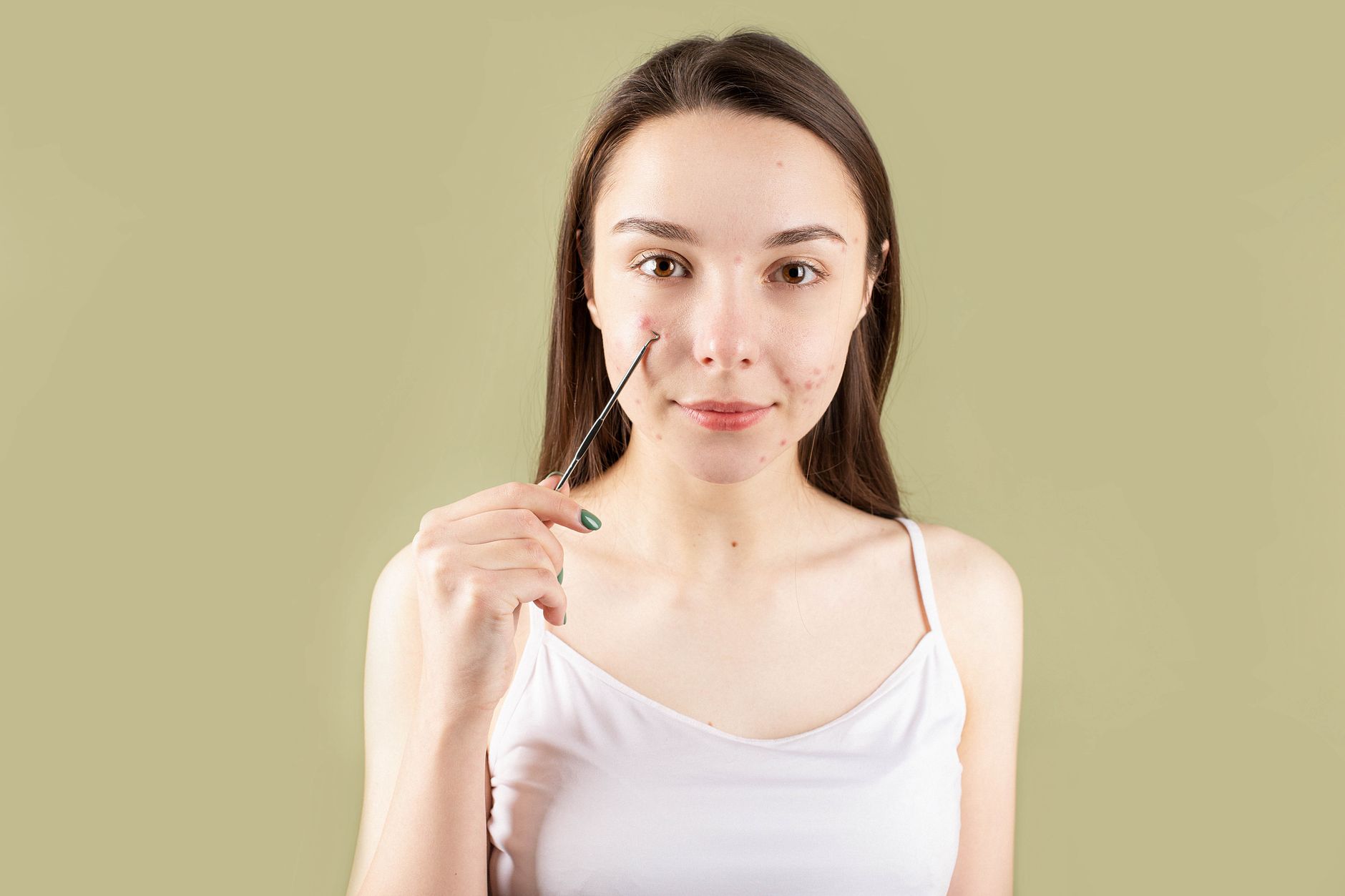
Many of us have experienced the occasional appearance of pesky blackheads on the nose, which can be frustrating and challenging to manage. These small, dark spots are caused by clogged pores that gather excess oil, dead skin cells, and bacteria. Luckily, with the right care and treatment tips, you can effectively get rid of blackheads on your nose and achieve clearer skin.
This comprehensive guide will explore various methods for tackling blackheads, from daily skincare routines to specific treatments you can incorporate into your beauty regime. Understanding your skin type, selecting the right products, and being gentle with your skin will all contribute to better results.
How to Get Rid of Blackheads on Nose?
Getting rid of blackheads on your nose involves consistent skincare practices that exfoliate, unclog pores, and control oil production. Regular cleansing, gentle exfoliation, and the use of targeted products can effectively reduce the appearance of blackheads over time.
Understanding Blackheads: What Are They?
Before diving into treatment methods, it’s essential to understand what blackheads are and how they form. Blackheads are a type of acne that occurs when hair follicles become clogged with excess sebum (oil), dead skin cells, and bacteria. The surface of the clogged pore is exposed to air, causing it to oxidize and turn black, hence the name.
Blackheads can be particularly common on the nose due to its high concentration of sebaceous glands, which produce oil. However, having blackheads is not limited to oily skin; they can also appear on combination and even some dry skin types.
Identifying Your Skin Type
Your skin type plays a vital role in determining the best approach to treat blackheads. Here’s a quick way to identify your skin type:
- Oily Skin: Shiny, larger pores, and prone to acne.
- Dry Skin: Flaky, rough texture, and may feel tight.
- Combination Skin: An oily T-zone (forehead, nose, chin) with dry areas.
- Sensitive Skin: Prone to redness, irritation, and reactions to products.
By recognizing your skin type, you’ll be better equipped to choose the right products and treatment methods for effectively getting rid of blackheads on your nose.
Daily Skincare Routine for Blackhead Prevention
Establishing a balanced daily skincare routine is crucial for managing blackheads. Here’s a simple skincare regimen to follow for both morning and evening:
Morning Routine
- Cleansing: Use a gentle foaming cleanser that suits your skin type to remove impurities and excess oil.
- Toning: Apply a non-alcoholic toner with gentle exfoliating properties to help remove any remaining dead skin cells.
- Moisturizing: Use an oil-free moisturizer that hydrates without clogging pores.
- Sun Protection: Finish with a broad-spectrum sunscreen of SPF 30 or higher to protect your skin from sun damage.
Evening Routine
- Cleansing: Use the same gentle cleanser to remove makeup, oil, and dirt accumulated during the day.
- Exfoliating: Apply a chemical exfoliant containing salicylic acid or glycolic acid to unclog pores. Start with once a week and gradually increase as tolerated.
- Treatment: Consider using a targeted treatment product containing benzoyl peroxide, retinoids, or charcoal to draw out impurities.
- Moisturizing: Use your moisturizer again to keep your skin hydrated overnight.
Incorporating Exfoliation for Blackhead Control
Exfoliation is key in helping to prevent and reduce blackheads. Here are two types of exfoliation you can incorporate into your routine:
Chemical Exfoliation
Chemical exfoliants often contain active ingredients such as:
- Salicylic Acid: Penetrates deep into the pores, effectively dissolving debris and excess oil.
- Glycolic Acid: AAHAs that help remove dead skin cells on the skin’s surface and promote cell turnover.
These should be used 1-3 times weekly, based on your skin’s tolerance. Begin with lower concentrations before moving to higher strengths.
Physical Exfoliation
Although less recommended for blackhead removal, gentle physical exfoliants (like scrubs with fine particles) can be used cautiously. An important tip is to ensure that scrubs are free from large, harsh particles that can irritate the skin. Limit usage to once a week.
Targeted Treatments for Blackheads
If over-the-counter products aren’t enough, consider adding these targeted treatments to your skincare routine:
Clay Masks
Clay masks, especially those containing bentonite or kaolin clay, are excellent for absorbing excess oil and drawing out impurities. Aim to use a clay mask once a week for best results.
Charcoal Treatments
Activated charcoal is a popular ingredient in skincare that can help remove impurities from the pores. Look for charcoal masks or cleansers and use them once a week to keep your pores clean.
Retinoids
Topical retinoids can boost skin cell turnover and help prevent clogged pores. They are available in prescription and over-the-counter formulations. Introduce retinoids slowly, starting with twice a week to allow your skin to adjust.
Professional Treatments for Blackheads
If at-home treatments aren’t yielding results, you may consider professional interventions such as:
Extraction
Professional extraction involves a trained esthetician or dermatologist using specialized tools to remove blackheads without causing damage. This should only be done by a professional to avoid scarring or infection.
Chemical Peels
Chemical peels involve applying a chemical solution that exfoliates the skin deeply, helping to clear clogged pores. They may contain a combination of glycolic acid and salicylic acid to target blackheads effectively.
Microdermabrasion
This treatment uses tiny crystals to exfoliate the skin surface and vacuum away dead skin cells. It can help improve the appearance of blackheads, but results may vary.
Common Mistakes to Avoid
While trying to eliminate blackheads, it’s easy to make some common mistakes that can worsen the situation. Keep these tips in mind:
- Do not pick or squeeze blackheads, as this can cause irritation or scarring.
- Avoid using overly harsh products or scrubs too frequently, as they may irritate your skin.
- Don’t skip moisturizing even if you have oily skin; hydration is crucial to overall skin health.
- Be mindful of layering products; avoid mixing too many actives, which can lead to irritation.
Maintaining Results: Long-term Care Tips
Getting rid of blackheads is not just about a one-time fix. To maintain clear skin, consider these long-term care tips:
- Stick to a consistent daily routine, and do not neglect your skincare steps.
- Schedule regular facial treatments or consult a dermatologist periodically.
- Employ sun protection daily, as UV damage can exacerbate skin issues.
- Stay hydrated and maintain a balanced diet to support skin health from the inside out.
Conclusion
In the quest to get rid of blackheads on your nose, remember that patience and consistency are key. Establishing a solid skincare routine that includes cleansing, exfoliating, and moisturizing, along with the proper use of targeted products, will help you on your journey to clearer skin.
Take small, manageable steps to integrate treatment methods into your routine, and monitor how your skin responds. If irritation occurs, take a step back and give your skin time to recover.
For those looking for further beauty advice, explore related guides, such as how to remove skin tags overnight or how to exfoliate face effectively.