
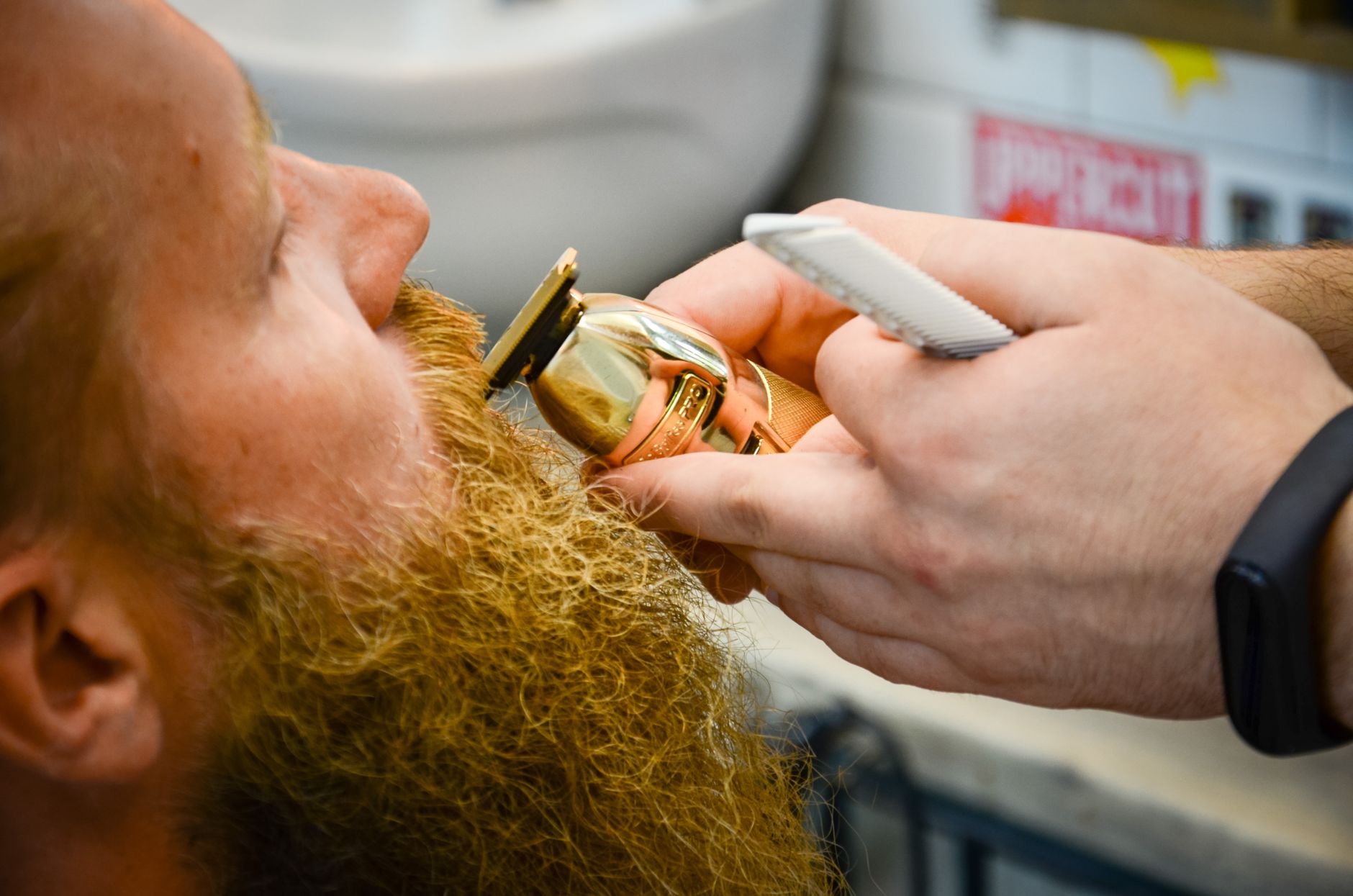
Beard grooming is an art that enhances your facial features and personal style. Knowing how to trim a beard correctly can make a significant difference in your overall appearance. This comprehensive guide will walk you through the essentials of shaping, fading, and grooming your beard.
Whether you have a short stubble or a long, flowing beard, understanding the techniques and tools involved in trimming will help you achieve a polished look. Here’s everything you need to know about how to trim a beard effectively.
How to Trim a Beard?
To trim a beard, begin with clean, dry hair and gather your tools—beard trimmer, scissors, comb, and mirror. Start with the sides to shape your beard, then work on the neckline and the mustache. Regular maintenance every two weeks will also keep it looking sharp.
The Essential Tools for Beard Trimming
Before diving into the trimming process, it’s essential to have the right tools at your disposal. Here’s a list of recommended tools for beard trimming:
- Beard Trimmer: A quality trimmer allows you to adjust lengths and create a clean finish.
- Scissors: Perfect for snipping stray hairs and achieving a precise look.
- Comb: A comb helps in untangling your beard and provides a guide for even trimming.
- Mirror: A good mirror is crucial to see your beard clearly from all angles.
- Beard Oil or Balm: These products help condition your beard and prepare it for trimming.
Preparing Your Beard for Trimming
Proper preparation sets the foundation for a successful trimming session. Follow these steps:
- Wash Your Beard: Clean your beard with a gentle beard shampoo to remove dirt and oil.
- Dry Your Beard: Pat your beard dry with a towel; avoid using heat as it may cause dryness.
- Comb it Out: Use a beard comb to detangle and smooth out any knots.
- Apply Beard Oil: A few drops of beard oil will soften the hair, making trimming easier and reducing flyaways.
Trimming Techniques: Shape, Fade, Groom
Now that you’re prepared, let’s break down the essential trimming techniques you’ll need to master: shaping, fading, and grooming.
Shaping Your Beard
Shaping your beard refers to defining its structure to enhance your facial contours. Here’s how to shape your beard effectively:
- Decide on a Style: Determine the shape of your beard based on your face shape. Oval faces typically suit most styles, while square faces may look better with rounded shapes.
- Trim the Cheeks: Start from the top of your ears and trim down towards your mouth to create a natural line.
- Define the Jawline: Trim beneath the jawline to create a clean look. A good rule is to follow your jaw’s natural line.
- Fade the Sides: Use a longer guard on your trimmer, gradually moving to shorter settings. This will create a seamless transition.
- Check for Symmetry: Step back and check both sides to ensure balance and symmetry in your shape.
Fading Techniques
A fade adds dimension and depth to your beard. Here’s a step-by-step guide to fading:
- Set a Base Length: Choose a base length with your trimmer for the longest section of your beard.
- Use a Shorter Guard: Switch to a shorter guard setting, starting from the bottom and gradually moving up to about one-third of the way up your beard.
- Blend the Transition: Use a comb to lift the hair and trim around it to create a smooth transition between lengths.
- Fine-Tuning: Take your time and check the fade from various angles. Make small adjustments until you’re satisfied.
Grooming Your Beard
Regular grooming is key to maintaining a well-kept beard. Follow these grooming tips:
- Regular Trims: Schedule trims every two to four weeks to maintain your chosen look.
- Daily Maintenance: Use a beard comb or brush daily to keep it styled and manage tangles.
- Condition Your Beard: Apply beard oil regularly to hydrate and soften the hair. This will also help reduce itchiness.
- Wash Gently: Use a beard shampoo a couple of times a week to keep it clean without stripping natural oils.
Tips for a Successful Beard Trim
Here are some helpful tips to ensure you achieve the best results during your beard trimming sessions:
- Trim Dry Hair: Always trim your beard when it is dry; wet hair appears longer and may lead to cutting more than intended.
- Start Slow: If unsure about the length, start with a longer guard first. You can always trim more, but it’s difficult to add length back.
- Use Good Lighting: Well-lit environments reduce shadows, revealing uneven spots in your beard.
- Practice Makes Perfect: Don’t be discouraged by the first attempt; practice will enhance your skills and confidence.
Common Mistakes to Avoid
During the trimming process, some common pitfalls can lead to less-than-ideal results. Keep these in mind:
- Over-trimming: It’s easy to get carried away, resulting in an overly short beard. Trim gradually to prevent mistakes.
- Neglecting the Neckline: A messy neckline can undermine the whole trim. Take time to define this area properly.
- Not Checking Symmetry: Always step back to ensure both sides are even and balanced.
- Ignoring Maintenance: Skipping regular trims can lead to unruly growth and split ends. Consistency is key.
Understanding Different Beard Styles
Familiarizing yourself with various beard styles may help you determine which look suits you best. Here are a few popular options:
- The Stubble: Short and easy to manage, often done with a trimmer.
- The Full Beard: Longer and denser, requiring more upkeep and care.
- The Goatee: A style focusing on the chin and upper lip, great for defining facial features.
- The Van Dyke: A combination of a goatee and a disconnected mustache, offering an artistic look.
- The Anchor: A style that combines a pointy beard with a mustache, ideal for those with angular jawlines.
Maintaining Skin Underneath Your Beard
Beard care is not just about the hair itself. Healthy skin underneath is essential for a good-looking beard:
- Exfoliate Weekly: Gently exfoliate the skin beneath your beard to remove dead skin cells and prevent itchiness.
- Moisturize: Use a lightweight moisturizer on the skin underneath to keep it hydrated, especially in dryer climates.
- Beard Conditioners: Consider using products specifically designed for underlying skin to nourish it without feeling greasy.
Conclusion
Trimming your beard is not just about aesthetics; it plays a crucial role in personal grooming. By understanding how to shape, fade, and maintain your beard, you can cultivate a look that complements your style and personality.
So, whether you’re preparing for an event or just want to look your best every day, these tips will help you confidently embrace your facial hair. Regular practice and care will elevate your grooming game significantly.
For more tips on beauty routines or grooming practices, check out our other guides on skincare and haircare for additional insights and advice!