
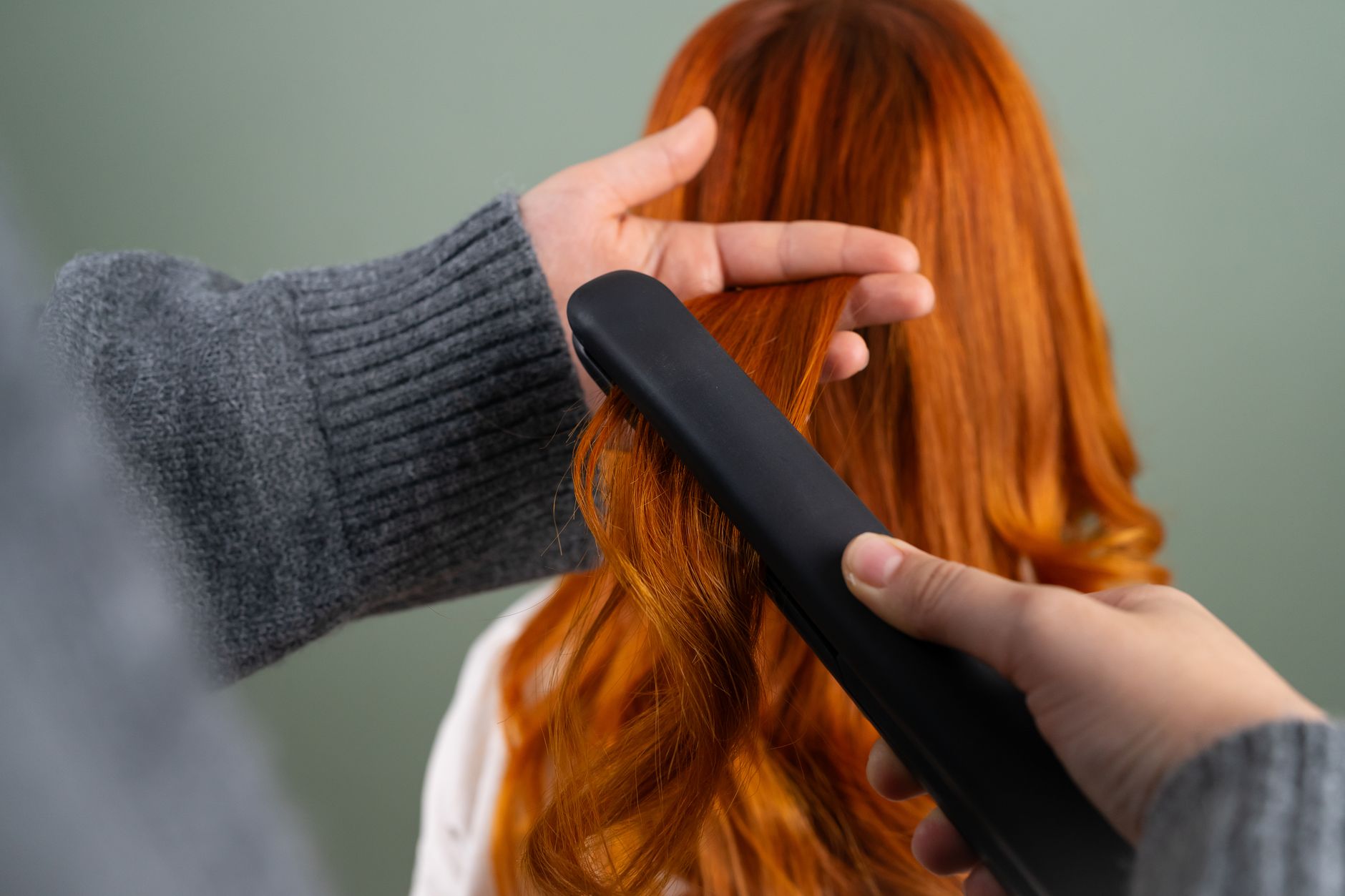
Waves can transform your hair from ordinary to extraordinary, giving it a stylish, textured look that enhances your natural beauty. Whether you have straight, wavy, or curly hair, mastering the art of creating waves is both achievable and enjoyable. This guide will walk you through various methods, tools, and tips to help you achieve the perfect waves with ease.
From using the right brushes to selecting styling products, this article will provide a comprehensive overview of how to get waves in your hair. With the following techniques, you can add volume, body, and movement to your hair, no matter your hair type or length.
How to Get Waves in Hair?
To get waves in your hair, you can utilize different techniques, including heat styling, braiding, and using styling products. Each method has its unique appeal and is suitable for various hair types. Additionally, knowing how to properly use brushes and other tools is essential for achieving long-lasting, beautiful waves.
Understanding Hair Types and Their Characteristics
Before diving into the different methods of creating waves, it’s important to understand your hair type. Different hair textures and densities will respond differently to styling techniques. Here are the main categories:
- Straight Hair: Naturally smooth and tends to lack volume. Waves can add texture and body.
- Wavy Hair: Already has some natural wave; styling can enhance its shape and definition.
- Curly Hair: Has defined curls that can be transformed into waves by loosening their shape.
Additionally, factors like hair porosity and density play a role in how your hair responds to products and styling methods. Fine hair may require lighter products, while thicker hair can handle heavier styling creams.
Tools You Will Need
Having the right tools is crucial to achieving those beautiful waves. Here’s a list of essential tools for styling your hair:
- Round Brush: Ideal for smoothing and adding volume while blow-drying.
- Flat Iron or Curling Iron: Useful for creating defined waves or curls, depending on the size of the barrel.
- Hair Clips: Helps section your hair for easier styling.
- Hair Spray: Provides hold and control to keep your waves looking fresh.
- Texturizing Spray: Adds grit and volume to enhance the wave’s definition.
- Heat Protectant Spray: Essential for protecting your hair from damage when using heat styling tools.
Styling Techniques to Get Waves
Now that you have an overview of the tools, let’s explore various methods to achieve waves in your hair. Each technique suits different hair types and occasions, making it easy to choose the right approach for you.
1. Using a Curling Iron
- Start with clean, dry hair. If your hair is not freshly washed, use a dry shampoo to refresh it.
- Apply a heat protectant spray to your hair to prevent heat damage.
- Section your hair into manageable sections using hair clips. This allows for more precise waving.
- Choose a curling iron with a barrel size that suits your style. A larger barrel creates looser waves, while a smaller barrel will give tighter curls.
- Take a section of hair, and wrap it around the barrel, making sure to leave the ends out for a more relaxed look. Hold for a few seconds, then release.
- Repeat the process, alternating the direction of the curls to create a more natural-looking wave.
- Once you’ve curled all the sections, let them cool before using your fingers to gently tousle and separate the waves.
- Finish with a spritz of hairspray for added hold.
2. Braiding Method
This heat-free method is perfect for creating waves overnight without damage to your hair.
- Start with slightly damp hair to ensure curls form well.
- Apply a texturizing spray or mousse for additional grip.
- Divide your hair into sections. The more sections you create, the tighter the waves will be.
- Braid each section. You can do two braids for looser waves or multiple smaller braids for more defined waves.
- Leave the braids in for several hours or overnight. The longer you leave them, the more defined the waves.
- When you’re ready, carefully undo the braids and use your fingers to soften the waves.
- Finish with a light hairspray to keep the waves in place.
3. The Twist Method
This method involves twisting sections of hair to create waves and is great for adding texture.
- Begin with slightly damp hair and apply a texturizing cream or mousse.
- Divide your hair into sections and twist each section tightly, then wrap the twist into a small bun and secure with a clip or hair tie.
- Leave the buns in for several hours or overnight.
- Remove the buns and gently pull apart the twists to reveal soft waves.
- Finish with a light layer of hairspray or sea salt spray for added texture.
4. Blow-Drying with a Round Brush
If you prefer heat styling, blow-drying with a round brush is an effective method to create waves.
- Start with clean, damp hair and apply a heat protectant spray.
- Section your hair using clips for easier handling.
- Using a round brush, take a section of hair and roll it around the brush while blow-drying with a medium heat setting.
- As you blow-dry, twist the brush slightly to create movement in the hair.
- Continue this process until all sections are dry and styled.
- Finish by spritzing a holding spray and tousling your hair with your fingers for a more relaxed wave.
Styling Tips for Perfect Waves
No matter which method you choose, implementing some additional tips can help you achieve the best waves possible.
- Work in Sections: Dividing your hair into sections makes the styling process more manageable and leads to better results.
- Use the Right Products: Choose products that suit your hair type. For example, if you have fine hair, opt for lighter mousses; if you have thicker hair, creamier products may work better.
- Let Your Waves Cool: Allowing curls or waves to cool down properly helps them hold their shape longer.
- Don’t Overdo It: It’s best to avoid too many products or excessive heat styling, which can lead to damage.
- Experiment with Techniques: Don’t hesitate to try out different methods to find what works best for you and your hair type.
- Refresh Waves: If your waves fall flat later in the day, use a bit of water or texturizing spray to revive them.
Common Mistakes to Avoid
Learning how to get waves effectively means avoiding some common pitfalls that can lead to frustration.
- Not Using Heat Protectant: Always apply a heat protectant when using heat tools to prevent damage.
- Skipping Product Application: Products like mousse or spray are essential for adding grip and enhancing waves.
- Using Too Much Heat: Excessive heat can damage your hair, leading to split ends and breakage.
- Creating Uniform Waves: For a natural look, vary the size of the sections and the direction of curls.
- Forget to Finish: A light finishing spray or texturizer not only adds hold but can also enhance the overall look.
Caring for Waves
After putting in the effort to create beautiful waves, maintaining healthy hair is essential. Here are some tips to keep your waves looking gorgeous:
- Use Hair Oils: Adding a few drops of hair oil can keep waves moisturized and shiny.
- Deep Condition: Incorporate deep conditioning treatments into your routine to nourish and repair hair.
- Avoid Over-Washing: Washing hair too frequently can strip it of natural oils; aim for 2-3 times a week.
- Trim Regularly: Regular trims help keep hair healthy and free from split ends.
Conclusion
Creating beautiful waves in your hair is a skill that can elevate your look and reflect your personal style. With various techniques available, you can find the method that best suits your hair type and needs. Remember to use the right products and tools, avoid common mistakes, and always care for your locks for the best results.
For your next step in hair care, consider checking out guides on fixing frizzy hair and how to curl your hair for even more styling options and tips.