
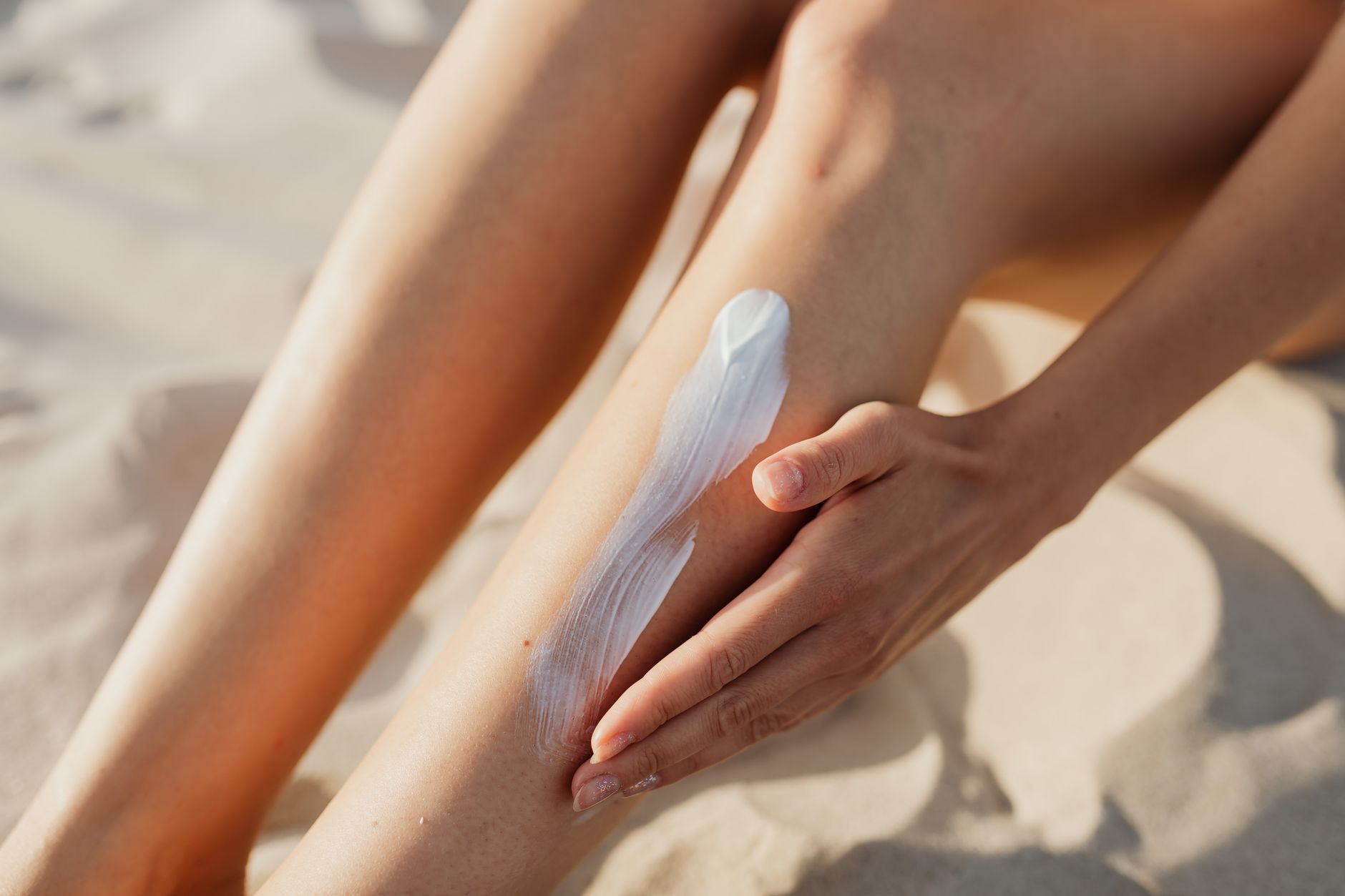
Cellulite on the legs is a common concern for many individuals, impacting self-esteem and body confidence. Understanding how to effectively reduce its appearance involves a combination of lifestyle changes, skincare routines, and possibly targeted treatments. This guide will help you navigate the various options available to diminish the look of cellulite.
While complete eradication of cellulite may not be attainable for everyone, there are practical steps you can take to improve the texture and firmness of your skin. From dietary changes to topical solutions, here’s what to expect and how to incorporate effective strategies into your routine.
How to Get Rid of Cellulite on Legs?
To reduce cellulite on legs, a combination of healthy eating, regular exercise, and targeted skincare can be effective. These methods not only help in diminishing the appearance of cellulite but also promote overall skin health. Expect gradual improvement as you implement these changes into your lifestyle.
Understanding Cellulite: What is It?
Cellulite is a condition characterized by dimpled or bumpy skin, primarily found on the thighs, buttocks, and abdomen. It occurs when fat deposits push through the connective tissue beneath the skin. Factors contributing to its formation include genetics, hormones, diet, and lifestyle choices.
Types of Cellulite
- Soft Cellulite: This type is characterized by a soft and fluid appearance, often more prominent in individuals with higher body fat.
- Hard Cellulite: Appearing firmer and lumpier, hard cellulite can be found in individuals with a more muscular build.
- Intermediate Cellulite: A mix of both soft and hard, often resulting in visible bumps combined with some fluid retention.
The Role of Diet in Reducing Cellulite
A nutrient-rich diet plays a vital role in minimizing cellulite. The body’s composition, hydration levels, and overall health can all impact the appearance of cellulite. Consider incorporating the following food categories into your daily meals:
Foods to Include
- Fruits and Vegetables: These are rich in antioxidants, vitamins, and minerals that promote skin health. Berries, citrus fruits, leafy greens, and carrots are excellent choices.
- Lean Proteins: Foods like chicken, fish, and legumes help build muscle, which can improve the appearance of skin.
- Healthy Fats: Incorporate sources like avocados, nuts, and olive oil, which help maintain skin elasticity.
- Whole Grains: Opt for brown rice, quinoa, and whole grain bread for added fiber, aiding digestion and weight management.
Foods to Limit or Avoid
- Processed Foods: Items high in sugar and unhealthy fats can contribute to weight gain and worsen the appearance of cellulite.
- Excess Salt: Too much sodium can lead to water retention, making cellulite more noticeable.
- Sugary Beverages: These drinks can contribute to weight gain and should be limited.
The Importance of Hydration
Staying well-hydrated is essential for maintaining skin health and minimizing the appearance of cellulite. Water helps flush toxins from the body and can improve overall skin elasticity.
Tips for Staying Hydrated
- Aim for at least eight 8-ounce glasses of water daily.
- Incorporate water-rich foods like cucumbers and watermelon.
- Keep a reusable water bottle handy to remind you to drink throughout the day.
Exercise: Boosting Circulation and Muscle Tone
Regular physical activity is crucial for reshaping your body and enhancing skin tightness. Both cardio and strength training can be beneficial in fighting cellulite.
Recommended Exercises
- Cardiovascular Workouts: Aerobic exercises such as running, cycling, and swimming can help burn fat and improve circulation.
- Strength Training: Focus on exercises targeting the lower body, such as squats, lunges, and leg press, to build muscle under the skin.
- High-Intensity Interval Training (HIIT): Incorporating short bursts of high-intensity exercise with rest periods can help boost metabolism and fat loss.
Topical Solutions: Creams and Treatments
In addition to lifestyle changes, topical treatments can support the reduction of cellulite. Many products claim to target cellulite, but their effectiveness can vary.
What to Look for in Creams
- Caffeine: This ingredient helps to temporarily tighten and reduce the appearance of cellulite.
- Retinol: Known for its skin-smoothing properties, retinol can improve skin texture and firmness.
- Peptides: These can boost collagen production, making skin appear firmer.
- Natural Extracts: Ingredients like seaweed and ginseng can hydrate and nourish the skin.
How to Use Cellulite Creams
- Cleanse the area where you will apply the cream.
- Use a sufficient amount of cream and apply it in circular motions.
- Follow up with light massages to enhance absorption.
- Be consistent and apply daily for the best results.
Professional Treatments: What Are Your Options?
If you seek advanced solutions, several professional treatments target cellulite effectively. Each option varies in procedure, recovery time, and cost.
Popular Treatments
- Laser Therapy: This treatment uses laser energy to break down the fat beneath the skin, promoting smoother skin texture.
- Radiofrequency Treatment: Utilizing radio waves, this procedure heats the skin, boosting collagen production and improving elasticity.
- Ultrasound Therapy: This method uses sound waves to target and break down fat cells.
- Mesotherapy: Involves injecting substances directly into the skin to reduce fat and promote smoother skin.
Considerations for Professional Treatments
- Consult with a licensed practitioner to discuss potential benefits and risks.
- Inquire about the expected results and recovery time for each treatment.
- Check maintenance requirements, as multiple sessions may be necessary.
Building a Routine for Success
Combining lifestyle changes, topical products, and potential professional treatments can maximize your efforts in reducing cellar. Here’s how to integrate these strategies into a cohesive routine.
Sample Daily Routine
- Morning:
- Start with a glass of water.
- Engage in at least 30 minutes of physical activity (cardio or strength training).
- Have a balanced breakfast rich in proteins and healthy fats.
- Midday:
- Continue to hydrate throughout the day.
- Lunch should include plenty of vegetables, lean protein, and whole grains.
- Evening:
- Apply your chosen cellulite cream after showering.
- Enjoy a light dinner focused on fresh foods.
- Consider cooling down with yoga or stretching before bed for relaxation.
Common Mistakes to Avoid
While you embark on your journey to reduce cellulite, be aware of potential pitfalls that could hinder progress.
- Inconsistent Routines: Results take time, and consistency is key in both diet and skincare.
- Relying Solely on Creams: Creams can support your efforts, but they are not a standalone solution. Dietary and lifestyle changes are essential.
- Skipping Hydration: Remember to drink enough water daily for optimal skin health.
- Setting Unrealistic Expectations: It’s essential to understand that change takes time. Aim for gradual improvement.
Realistic Expectations
Expectations are essential when looking to reduce cellulite. While you may see some improvements within a few weeks, achieving significant results may take several months of consistent effort.
Everyone’s body responds differently; factors such as age, genetics, and starting point will play a role in your progress. Focus on the positive changes you can achieve along the way for overall skin and body health.
Conclusion
To get rid of cellulite on your legs, focus on implementing a healthy lifestyle comprising a balanced diet, regular exercise, and targeted skincare routines. Be patient and give yourself grace as you work towards these changes. Whether through DIY techniques or professional treatments, every step you take brings you closer to achieving your beauty goals.
For further insights on this topic, explore related beauty guides to enhance your self-care routines. For example, check out what is cellulite for a better understanding of this common skin concern.