
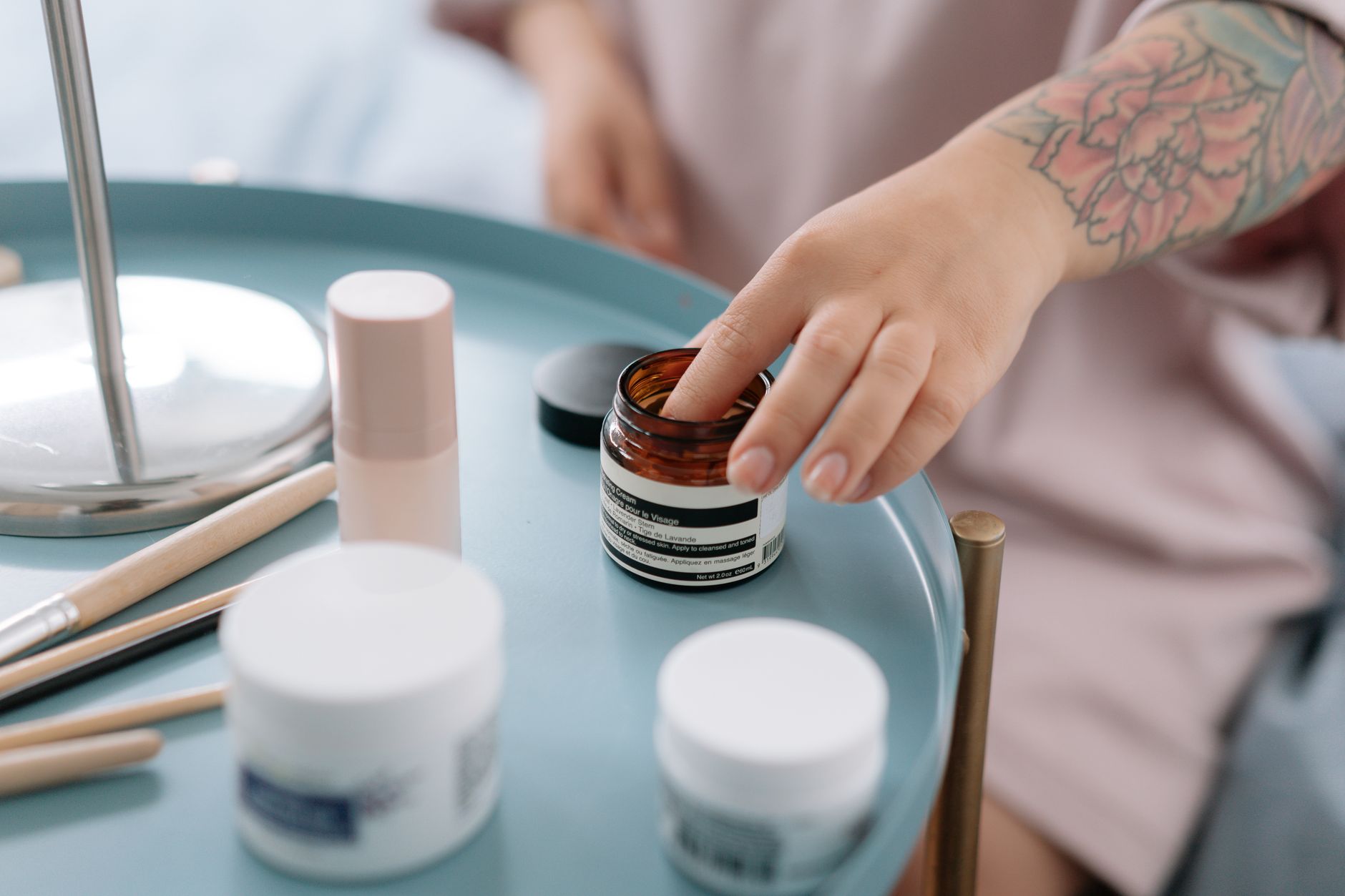
Vaseline, or petroleum jelly, is a staple in many beauty routines and serves multiple purposes, from moisturizing skin to helping fix makeup mishaps. But like any product, it raises an essential question: does Vaseline expire? Understanding Vaseline’s shelf life, signs of expiration, and proper storage can ensure you get the best performance out of this versatile product.
In this article, we will explore whether Vaseline does indeed expire, what signs to look for if it does, and how to store it correctly to maximize its longevity. With the right knowledge, you can make informed decisions about your beauty essentials and maintain a reliable skincare routine.
Does Vaseline Expire?
Yes, Vaseline can expire, but it has a long shelf life. Typically, an unopened jar of Vaseline can last for several years when stored properly. However, once opened, it’s essential to monitor the product for any changes in texture, color, or smell, which might indicate that it has gone bad. Generally, an opened jar of Vaseline is best used within three years.
Shelf Life of Vaseline
The shelf life of Vaseline is influenced by a few factors, including the packaging and how it’s stored. Below are some insights into how long you can expect your Vaseline to last under various conditions:
- Unopened Vaseline: When stored in a cool, dry place, an unopened jar of Vaseline can last indefinitely. Manufacturers often recommend a shelf life of 5 years from the date of manufacturing.
- Opened Vaseline: Once opened, Vaseline typically has a shelf life of about 1 to 3 years. After this point, it’s advisable to check for signs of expiration.
- Storage Conditions: Storing Vaseline in a cool, dry place out of direct sunlight can help extend its lifespan. High temperatures and humidity can affect its quality.
Signs of Expiration
To ensure you’re getting the best from your Vaseline, it’s essential to be vigilant about its condition. Look out for these signs of expiration:
- Change in Texture: Fresh Vaseline has a smooth, thick texture. If it appears crumbly or has separated, it may have expired.
- Color Changes: While Vaseline is generally clear or slightly yellow, any significant change in color may indicate spoilage.
- Odor Changes: Vaseline should have a relatively neutral scent. If you notice a rancid or otherwise unusual smell, it’s time to discard it.
- Visible Contaminants: If you see any particles or foreign substances in your Vaseline, it’s best to throw it out.
Proper Storage of Vaseline
Storage plays a crucial role in how long your Vaseline will last. Here’s how to store it correctly:
- Keep it Sealed: Always close the lid tightly when not in use to prevent contamination and exposure to air.
- Store in a Cool, Dark Place: Ideal storage locations include a drawer or cabinet away from heat sources and sunlight.
- Avoid Moisture: Ensure that the area where you store Vaseline is dry, as moisture can lead to spoilage.
- Use Clean Tools: If using Vaseline with your fingers or tools, make sure they are clean to avoid introducing bacteria into the product.
How to Use Vaseline in Your Beauty Routine
Vaseline can be an incredibly versatile addition to your beauty routine. Here are some popular ways to incorporate it effectively:
1. Moisturizing Dry Skin
Vaseline is an excellent sealant that locks in moisture. Use it on dry patches, elbows, knees, and heels to create a barrier against dryness.
2. Lip Care
Apply a thin layer of Vaseline to your lips to hydrate and protect them, especially during harsh weather conditions.
3. Makeup Remover
Vaseline can help break down makeup, especially waterproof formulations. Apply a small amount on a cotton pad and gently wipe away makeup.
4. Eyebrow Gel
Use Vaseline to tame unruly eyebrows. Just a small dab can keep them in place throughout the day.
5. Highlighter
For a dewy look, a tiny amount of Vaseline can be applied on the cheekbones and brow bone as a makeshift highlighter.
Common Myths About Vaseline
There are several myths surrounding Vaseline that it’s important to address:
- Myth: Vaseline Causes Acne. Vaseline is non-comedogenic, meaning it doesn’t clog pores. Many people with oily skin also benefit from Vaseline for hydration.
- Myth: Vaseline is a Moisturizer. Vaseline is a barrier that seals in moisture but does not add moisture itself. It’s best used over a moisturizer for maximum hydration.
- Myth: It’s Just for Skin. Beyond skincare, Vaseline can be used in nail care and even hair care, including taming flyaways.
Vaseline and Skin Types
While Vaseline can be beneficial for many skin types, understanding how to use it accordingly can enhance its effectiveness:
- Dry Skin: Best suited for dry skin types as it seals in moisture and can help with skin barrier repair.
- Oily Skin: Can be used sparingly on areas that are particularly dry without causing excessive oiliness.
- Sensitive Skin: Vaseline is generally safe for sensitive skin but should be patch tested first to ensure no irritation occurs.
Vaseline in Hair Care
Vaseline isn’t just for skin; it can also play a role in hair care:
- Split Ends: Applying a tiny amount to the ends can temporarily smooth split ends.
- Frizz Control: Use a minute dab on flyaways to tame frizz.
- Protecting Hair During Styling: Applying it before mild heat styling can offer some protection against heat.
Vaseline and Nail Care
Here’s how Vaseline can help maintain your nails:
- Moisturizing Cuticles: Regular application can soften and nourish the cuticles.
- Preventing Stains: Applying a thin layer before nail polish can protect against stains from certain polishes.
Is Vaseline Vegan or Cruelty-Free?
While Vaseline itself comprises petroleum jelly, a byproduct of oil refining, it should be noted that it is not vegan because it originates from non-renewable sources. As for cruelty-free, Vaseline does not conduct animal testing, but it’s always a good idea to review a brand’s current practices.
Alternatives to Vaseline
If Vaseline isn’t suitable for you or if you prefer to avoid petroleum-based products, consider these alternatives:
- Coconut Oil: A natural moisturizer that hydrates the skin.
- Shea Butter: Excellent for moisturizing and has skin-soothing properties.
- Beeswax: Can be used as a barrier similar to Vaseline, suitable for natural skincare.
Conclusion
Vaseline is a valuable addition to any beauty routine, known for its versatility and long shelf life. Understanding how to store it and recognize signs of expiration can help you maximize its benefits safely. Always keep an eye on the condition of your Vaseline, and when in doubt, it’s better to err on the side of caution and replace it.
For further reading, you might find it useful to explore whether Vaseline is good for your lips or if cologne expires. These guides can expand your understanding of product longevity and effectiveness.