
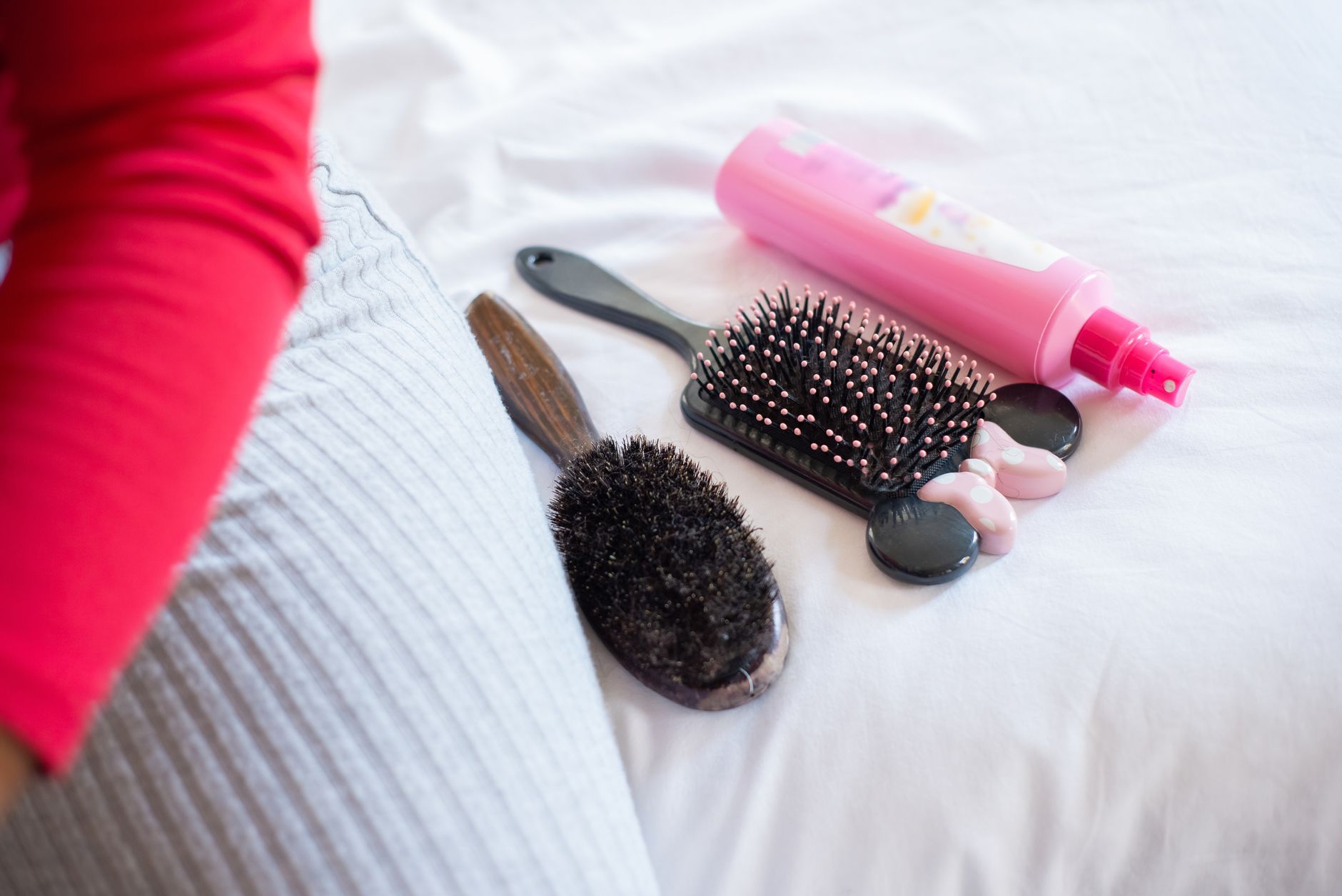
Static hair can be a frustrating issue, especially when you’re trying to achieve a polished look. Understanding why your hair becomes staticky is an important step toward soft, manageable locks. Various factors, including weather conditions, hair care practices, and even the materials you encounter daily, can contribute to static electricity in hair.
In this article, we’ll explore the triggers behind static hair and offer practical prevention tips to help you enjoy smooth, shiny tresses.
Why Is My Hair Staticky?
Hair becomes staticky primarily due to a buildup of electrical charge that occurs when hair strands rub against one another or against different materials. This charge can be exacerbated by factors such as dryness, humidity, and the types of products you use.
Common Triggers of Static Hair
To tackle static hair effectively, it’s essential to identify the triggers responsible for the issue.
1. Weather Conditions
- Low Humidity: Cold, dry air in the winter or air-conditioned environments can strip moisture from your hair, increasing the likelihood of static.
- High Humidity: Ironically, excessive moisture in the air can also lead to static, particularly for certain hair types, as it can create frizz.
2. Hair Type and Condition
- Dry Hair: Damaged, dry, or porous hair lacks moisture, making it more susceptible to static buildup.
- Protein Imbalance: Too much protein in your hair products can make hair stiff and brittle, leading to static.
3. Hair Care Products
- Poorly Formulated Products: Some shampoos and conditioners can strip natural oils from your hair, contributing to dryness.
- Overuse of Styling Tools: Frequent use of heat tools without protection can cause damage, leading to static.
4. Materials and Fabrics
- Static-Prone Fabric: Materials like wool or synthetic fibers can generate static electricity when rubbing against your hair.
- Hats and Scarves: Wearing hats or scarves made from synthetic materials can contribute to friction and static buildup.
5. Environmental Factors
- Indoor Heating: Central heating in colder months can dry out the air and your hair, making static more likely.
- Low Air Circulation: Enclosed spaces with poor air circulation can lead to dry conditions that increase static.
Preventing Static Hair
Now that we understand the triggers, let’s discuss effective prevention strategies.
1. Hydration Is Key
- Always keep your hair well-moisturized with a hydrating shampoo and conditioner. Look for products containing hydrating ingredients like glycerin, hyaluronic acid, or oils.
- Incorporate a leave-in conditioner or a daily moisturizing spray for an extra hydration boost.
2. Reduce Heat Styling
- Avoid excessive use of heating tools, such as curling irons and blow dryers, which can further dry out your hair.
- If you must use heat, always apply a heat protectant spray to shield your hair from damage.
3. Switch Up Your Hair Care Products
- Look for sulfate-free shampoos, which are gentler on your hair and won’t strip it of its natural oils.
- Consider using conditioner as a co-wash, allowing you to cleanse while adding moisture back into your hair.
4. Choose the Right Fabrics
- When selecting scarves, hats, or hair accessories, opt for natural fibers such as cotton, which reduce static compared to synthetics.
- If you love the feel of silk, silk pillowcases can also help reduce friction when you sleep.
5. Stay Hydrated and Maintain Room Humidity
- Drink plenty of water to keep your hair hydrated from the inside out.
- Invest in a humidifier for your home, especially during dry winter months, to maintain a comfortable moisture level.
6. Alter Your Hair Drying Techniques
- Instead of rubbing your hair with a towel, gently blot it to remove excess water.
- Consider air-drying your hair when possible to reduce static charge caused by friction.
7. Use Anti-Static Products
- Consider using an anti-static spray or sheet. Keep a travel-sized anti-static spray in your bag for on-the-go touch-ups.
- Hair serums and oils can also help tame frizz and static when applied sparingly on the ends of your hair.
Additional Strategies to Tame Static Hair
Beyond preventive measures, there are additional strategies to manage static hair when it inevitably strikes.
1. Brushing Wisely
- Choose the right brush. A natural bristle brush can help distribute oils and reduce static.
- Avoid plastic brushes, which can increase static due to their tendency to generate electricity.
2. Embrace Moisturizing Treatments
- Deep conditioning treatments can replenish moisture and help prevent dryness throughout your hair.
- Consider a weekly hair mask that targets hydration or frizz control, helping to smooth the cuticle layer of your hair.
3. Monitor Your Diet
- A balanced diet rich in vitamins and minerals can promote overall hair health. Include ingredients rich in omega-3 fatty acids, such as flaxseeds and walnuts, to keep your hair nourished.
- Foods high in vitamins like A, C, D, and E, as well as biotin, support healthy hair growth.
4. Protect Your Hair While Sleeping
- Invest in a silk or satin pillowcase to reduce friction while you sleep, which can minimize static.
- Consider loose braids or buns at night to avoid tangles and minimize static buildup.
What to Do When Static Happens
Even with the best prevention tactics, static can still rear its ugly head. Here’s how to handle it:
1. Quick Fixes
- Spritz water lightly onto your hair with a spray bottle; this can help to neutralize static.
- A small amount of hair oil or serum applied to your palms and then smoothed over your hair can quickly tame flyaways.
2. Avoid Over-Brushing
- Be gentle when brushing your hair and avoid excessive brushing, which can create more static.
Understanding Hair Porosity and Static
Different hair types and textures can display static in varying degrees based on hair porosity. Hair porosity refers to how well your hair can absorb and retain moisture, which directly affects its static levels.
1. Low Porosity Hair
- Low porosity hair repels water and moisture, leading to dryness. Using lighter oils can help without weighing down the hair.
2. Medium Porosity Hair
- This hair type usually holds moisture well and tends to produce less static. Focus can be on maintaining a balanced routine.
3. High Porosity Hair
- Highly porous hair absorbs moisture quickly but may lose it just as rapidly, leading to static. Opt for heavier creams and oils to seal in moisture.
Conclusion
Static hair can disrupt your style and confidence, but with the right knowledge and habits, you can dramatically reduce its occurrence. Focus on hydration, mindful product selection, and correct techniques to manage and prevent static electricity in your hair. Remember, taking good care of your hair is a journey, and every small step adds up to vibrant, healthy locks.
For more information on combating frizz, check out how to fix frizzy hair, or explore further details in why your hair is staticky. Embrace your hair’s unique character and give it the love it deserves!