
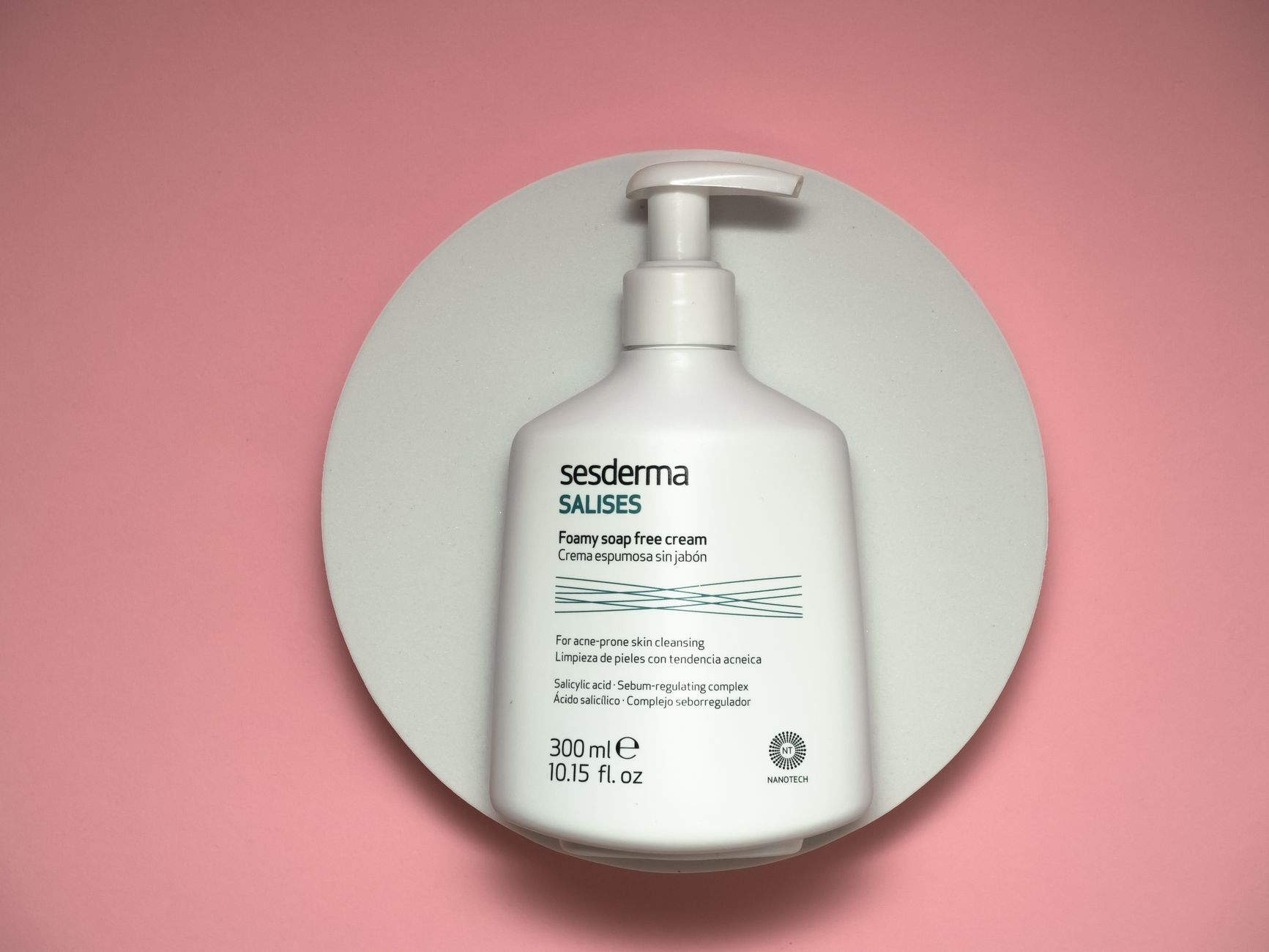
Salicylic acid is a powerhouse ingredient widely recognized for its effectiveness in skincare, particularly in treating a variety of skin concerns. Known for its ability to penetrate deep into the pores, it can help eliminate excess oil, dead skin cells, and impurities. In this guide, we’ll explore what salicylic acid is, its benefits, and how to incorporate it into your skincare routine.
Whether you’re battling acne, looking to improve skin texture, or simply want a clearer complexion, understanding salicylic acid is crucial. This article will address why it is essential, how it works, and the best ways to use it for various skin types.
What Is Salicylic Acid?
Salicylic acid is a beta hydroxy acid (BHA) derived from the bark of willow trees. Unlike alpha hydroxy acids (AHAs), which are water-soluble and primarily work on the skin’s outer layer, salicylic acid is oil-soluble. This unique property allows it to penetrate the pores and dissolve the oil and debris that can lead to breakouts. Salicylic acid is commonly used in a variety of skincare products, including cleansers, toners, spot treatments, and exfoliants.
Benefits of Salicylic Acid
1. Acne Treatment
One of salicylic acid’s most significant benefits is its efficacy in treating acne. It helps to unclog pores, reduce inflammation, and diminish the severity of breakouts. By exfoliating the skin from within, it can prevent future breakouts, making it a favorite among those with oily and acne-prone skin.
2. Exfoliation
Salicylic acid promotes exfoliation through its keratolytic properties, which means it helps to slough off dead skin cells that can build up and cause dullness. By gently exfoliating, it reveals smoother, brighter skin underneath without excessive irritation.
3. Reduces Oily Skin
If you struggle with oily skin, salicylic acid can help regulate oil production. By controlling excess sebum, it minimizes shine and helps to prevent clogged pores, keeping your complexion balanced.
4. Minimizes Pores
Regular use of salicylic acid can reduce the appearance of enlarged pores. Since it penetrates deep into the pores, it cleans out impurities and helps to keep pores clear, which can lead to a smoother skin texture.
5. Treats Dandruff and Scalp Issues
Outside of facial care, salicylic acid is also used in dandruff shampoos and treatments for various scalp conditions. It helps to exfoliate the scalp, remove flakiness, and reduce irritation, making it an effective ingredient for maintaining scalp health.
How to Use Salicylic Acid in Your Skincare Routine
Introducing salicylic acid into your skincare routine can yield amazing results, but it’s essential to use it correctly to avoid irritation. Here’s a detailed guide on how to incorporate it step by step.
Morning Routine
- Cleanser: Start with a gentle salicylic acid cleanser. This will help remove excess oil and dirt. Use it once a day to avoid over-exfoliation.
- Toner: If you use a toner, choose one formulated with salicylic acid. Apply it to a cotton pad and swipe it over your face, focusing on oily areas.
- Moisturizer: Follow up with a lightweight, oil-free moisturizer to keep your skin hydrated without clogging pores.
- Sunscreen: Always finish your morning routine with a broad-spectrum sunscreen. Salicylic acid can increase your skin’s sensitivity to the sun.
Evening Routine
- Cleanser: Use your salicylic acid cleanser again to remove any makeup and impurities from the day.
- Exfoliation (Optional): Depending on your skin’s tolerance, you may choose to use a salicylic acid exfoliating treatment 1-2 times a week for deeper exfoliation.
- Spot Treatment: For active breakouts, apply a salicylic acid spot treatment directly to the affected areas. This can help reduce inflammation and speed up healing.
- Moisturizer: Finish with a nourishing moisturizer to lock in hydration overnight, which is crucial if you’re using products that can be drying.
Common Mistakes and Cautions
While salicylic acid offers numerous benefits, it’s crucial to use it properly to avoid common mistakes that can lead to irritation.
- Overuse: Start with a low concentration and gradually increase use as your skin adapts. Overusing salicylic acid can lead to dryness and irritation.
- Skipping Moisturizer: Keep your skin hydrated. Failing to moisturize can exacerbate dryness and irritation from the acid.
- Using Harsh Products Together: Avoid combining salicylic acid with other strong exfoliants (like AHAs or retinoids) without consulting a skincare professional. This could result in excessive irritation.
- Neglecting Sunscreen: Since salicylic acid can make your skin more sensitive to the sun, wearing sunscreen is essential whenever you’re using it.
Suitable Skin Types
Salicylic acid is particularly beneficial for the following skin types:
- Oily Skin: Its oil-soluable nature makes it ideal for unclogging pores and controlling excess sebum.
- Acne-Prone Skin: It helps to prevent and treat breakouts effectively.
- Combination Skin: Using salicylic acid can help balance oily areas while maintaining hydration in dry spots.
However, those with sensitive or dry skin should proceed with caution. If you have these skin types, consider starting with lower concentrations or using it less frequently.
Products Containing Salicylic Acid
Salicylic acid can be found in a variety of skincare products. Here are some common types to consider:
- Cleansers: These are often the first step to incorporating salicylic acid into your routine.
- Toners: Great for oily skin types, these help to balance the skin.
- Spot Treatments: Target specific blemishes and reduce inflammation quickly.
- Moisturizers: Some formulations include salicylic acid to hydrate while treating acne.
- Peels: For more intensive treatment, you may consider peels that contain salicylic acid for deeper exfoliation.
What to Expect
When starting a salicylic acid routine, it’s essential to set realistic expectations. While some users may see improvements in skin clarity within days, others might take weeks to notice changes. Factors such as skin tolerance, the severity of issues being addressed, and product consistency all play a role in how quickly results appear.
It’s also important to remember that some initial purging may occur in some users as clogged pores are being cleared out. This can manifest as temporary breakouts before the skin starts to improve.
Combining Salicylic Acid with Other Ingredients
You may want to enhance the effectiveness of your routine by combining salicylic acid with other beneficial ingredients. Here’s how to do it wisely:
- Niacinamide: This ingredient works well with salicylic acid to reduce inflammation and improve barrier function without causing irritation.
- Hyaluronic Acid: Adding a hydrating ingredient like hyaluronic acid can counteract the drying effects of salicylic acid.
- Vitamin C: Use vitamin C in the morning and salicylic acid in the evening to avoid irritating the skin and maximizing their benefits.
Conclusion
Salicylic acid is an exceptional ingredient for targeted skincare, particularly for those struggling with acne and oiliness. By understanding its benefits and how to use it effectively, you can achieve clearer, smoother skin.
To start, gradually introduce salicylic acid into your routine while monitoring your skin’s response. This will help you find the perfect balance that works for you. Consider exploring related beauty guides for further insights, such as understanding what salicylic acid does here and tips on how to get rid of blackheads on your nose here.