
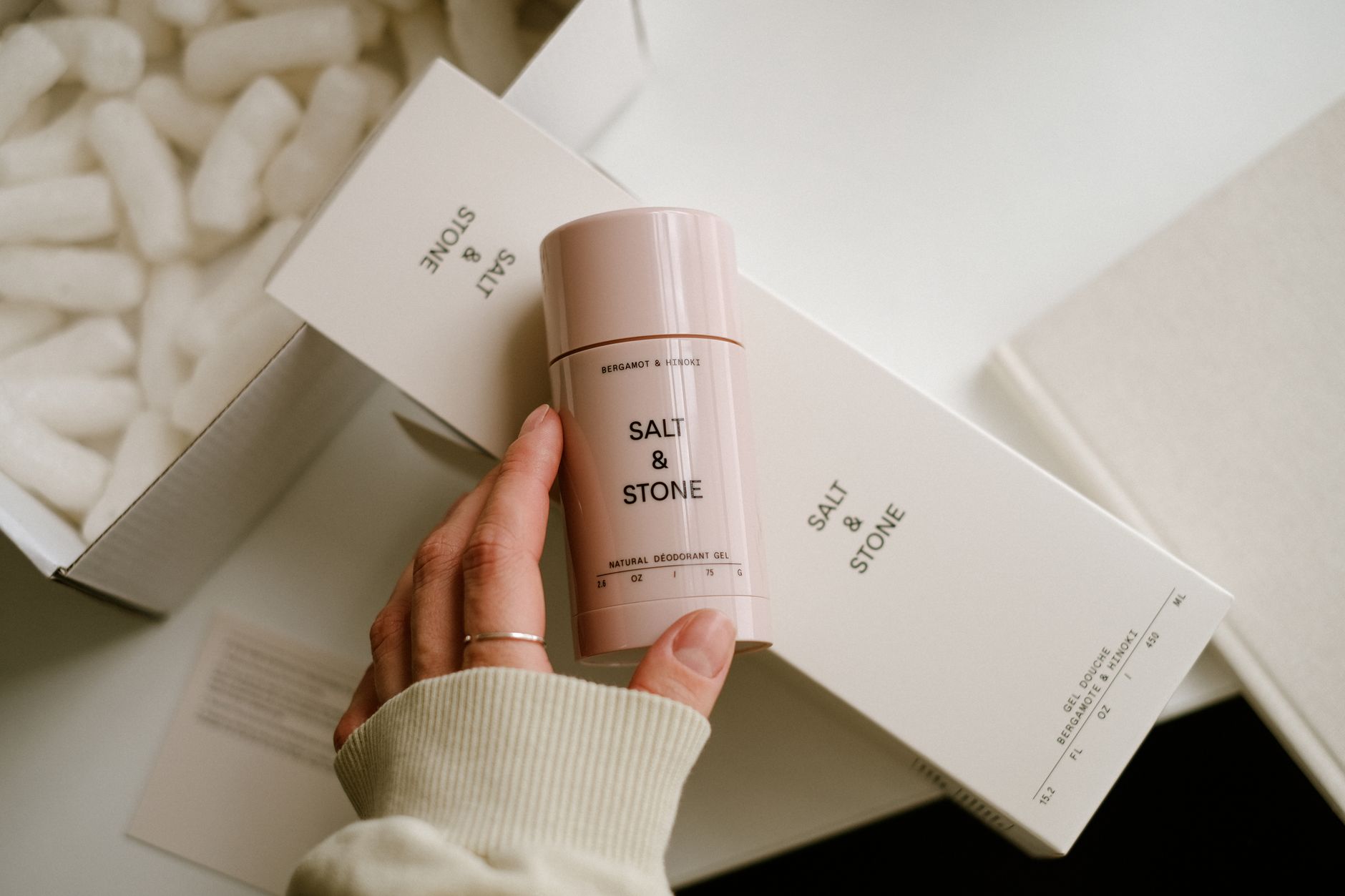
Dealing with body odor, particularly from your armpits, can be an embarrassing and uncomfortable issue. Many people experience this problem at some point, but understanding the underlying causes and knowing how to address them can bring relief. This article will explore common reasons for armpit odor and provide practical tips on how to manage and reduce it.
From hormonal changes to dietary factors, many elements contribute to why your armpits might smell bad. By delving into these causes, you can discover effective solutions and reclaim your confidence.
Why Do My Armpits Smell So Bad?
Armpit odor primarily arises from the interaction of sweat and bacteria on the skin. While sweating itself is a natural process that helps regulate body temperature, the byproducts of sweat can lead to unpleasant smells. Factors like diet, hygiene, hormonal fluctuations, and certain medical conditions can exacerbate body odor issues.
Common Causes of Armpit Odor
To effectively combat armpit odor, it’s vital to identify its sources. Here are some common causes:
- Bacterial Growth: Sweat doesn’t actually smell; it is the bacteria present on our skin that breaks down the sweat, producing odor. The armpits provide a warm and moist environment that is ideal for bacterial growth.
- Diet: Certain foods like garlic, onions, and spices can change the way your body smells. Foods rich in sulfur can be particularly potent.
- Hormonal Changes: Fluctuations in hormones, such as during puberty, menstruation, or menopause, can influence sweat production and body odor significantly.
- Medical Conditions: Conditions such as hyperhidrosis (excessive sweating), diabetes, thyroid disorders, or infections can lead to increased armpit odor. If the problem persists despite good hygiene, it may be time to consult a healthcare professional.
- Poor Hygiene: Regular bathing and proper hygiene practices help minimize bacteria and odor. Occasionally skipping showers can lead to a build-up of sweat and bacteria.
- Medications: Some medications, such as those that increase sweat production, can also lead to increased body odor.
Understanding How Sweating Works
To fully comprehend armpit odor, it’s helpful to understand how the body’s sweat glands function. There are two main types of sweat glands:
- Eccrine Glands: These are found all over your body and produce a clear, odorless sweat that helps cool you down.
- Apopcrine Glands: Located primarily in the armpits and groin, these glands produce a thicker, milky secretion that is odorless until broken down by bacteria, resulting in a distinct smell.
When your apocrine glands are activated by stress, hormonal changes, or certain medications, they can produce more sweat, leading to odor if proper hygiene is not maintained.
What Can You Do About It?
Now that you understand the primary causes of armpit odor, you can take meaningful steps to combat it. Here are some effective strategies:
1. Maintain Good Hygiene
Practicing regular hygiene is the first line of defense against body odor. To keep your armpits smelling fresh:
- Shower daily, especially after exercising.
- Use a mild antibacterial soap to reduce the bacteria on your skin.
- Gently exfoliate your underarm area twice a week to remove dead skin cells and prevent bacteria buildup.
2. Choose the Right Antiperspirant or Deodorant
Choosing the right product can significantly reduce body odor. Here’s what to look for:
- Antiperspirant: This helps reduce sweating by blocking sweat glands and is typically more effective for odor control if you sweat excessively.
- Natural Deodorants: If you prefer a natural alternative, look for formulations that include baking soda or cornstarch to absorb moisture, combined with essential oils for fragrance.
Application is essential—ensure that you apply antiperspirant at night, when sweat glands are less active, to allow it to work effectively.
3. Consider Your Diet
Your diet can have a profound impact on body odor. Eating a balanced diet rich in fruits, vegetables, and whole grains may help reduce odor. Consider cutting back on:
- Sulfur-containing foods like garlic and onions.
- Spicy foods and excessive alcohol.
- Highly processed foods that might affect your metabolism and body chemistry.
4. Wear Breathable Fabrics
Your clothing can influence how much you sweat and how much odor builds up. To minimize odor:
- Opt for natural fibers like cotton, which allow for breathability.
- Avoid synthetic fabrics, which can trap moisture and bacteria against the skin.
- Change clothes frequently if you are sweating excessively.
5. Stay Hydrated
Drinking enough water helps your body regulate temperature and may dilute the concentration of odor-causing substances in your sweat. Aim for eight glasses of water a day, or more if you’re physically active.
6. Manage Stress
Stress can trigger the apocrine glands to produce more sweat, leading to increased body odor. Consider implementing stress-management techniques such as:
- Meditation or mindfulness practices.
- Regular exercise to release endorphins and reduce tension.
- Deep breathing exercises to help calm the mind.
7. Review Medications and Medical Conditions
If you suspect that a medication or medical condition may be contributing to your body odor, consult with a qualified clinician. They can assess your situation, potentially change medications, or recommend additional treatments.
8. Home Remedies
Many natural remedies can help reduce armpit odor. Here are a few to consider:
- Baking Soda: Rubbing baking soda into your underarms can help neutralize odors. Create a paste with water and apply it for ten minutes before rinsing off.
- Apple Cider Vinegar: Known for its antibacterial properties, apple cider vinegar can balance skin pH levels. Dilute with water and apply to the underarms.
- Coconut Oil: With its antibacterial properties, coconut oil may be applied directly to the skin to prevent odor.
9. When to Seek Help
If you’ve tried various methods to manage your armpit odor and nothing seems to work, it may be time to consult a healthcare professional. Persistent odor can be a symptom of an underlying medical issue, and it’s essential to rule those out.
Common Mistakes to Avoid
When addressing body odor, a few common pitfalls may hinder your efforts:
- Neglecting Consistency: Make hygiene a daily habit, not just something you think about when you notice odor.
- Using the Wrong Products: Not all deodorants or antiperspirants work the same for everyone. You may need to experiment to find the best product for your body chemistry.
- Overusing Fragrances: While applying perfume or scented lotion might mask odor temporarily, it’s not a substitute for proper hygiene.
Realistic Expectations
Addressing body odor can take time, and results can vary based on individual factors like body chemistry, lifestyle, and health conditions. Don’t be discouraged if you don’t see immediate results; patience and persistence are key.
Summing It Up
Finding a solution to bad armpit odor is attainable with the right knowledge and practices. Keep in mind that good hygiene, appropriate products, dietary adjustments, and stress management can collectively help you tackle this issue effectively. By understanding your body’s needs and maintaining a consistent routine, you can overcome the embarrassment of body odor and feel confident in any situation.
If you continue to experience issues, reaching out to a healthcare professional can provide valuable insights tailored to your specific needs.
Explore more beauty guides on related topics like how to manage itchy armpits or find effective solutions for smelly feet. Understanding and addressing these concerns can lead to improved confidence and well-being.
For additional insights, check out our articles on how to get rid of smelly feet permanently and why are my armpits itchy.