
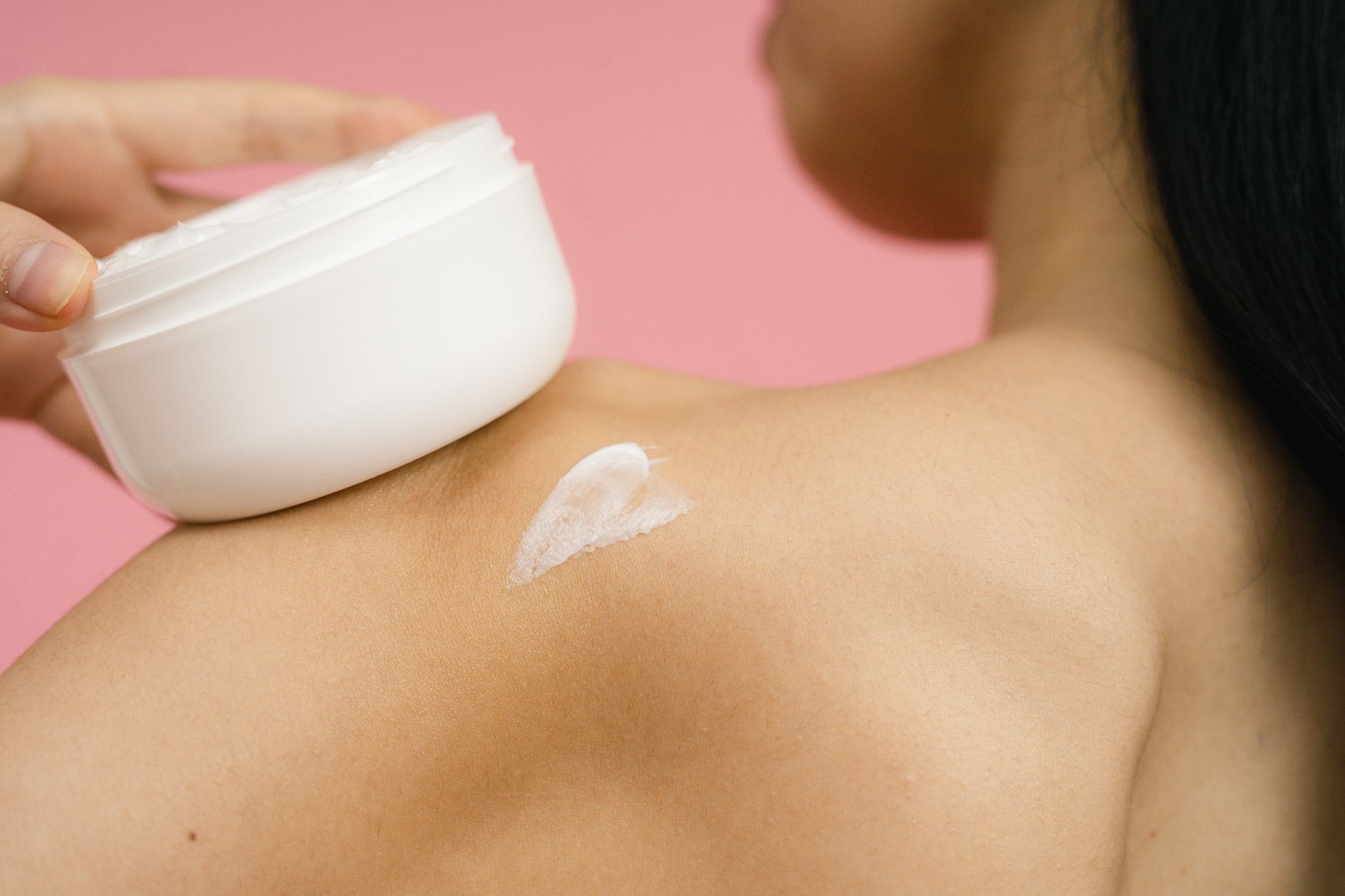
In recent years, conversations around beauty brands have increasingly focused on ownership and the identities behind popular products. SheaMoisture is a well-known name in the beauty industry, particularly for its hair and skincare products aimed at individuals with textured hair. An essential question many ask is: Is SheaMoisture black-owned? Understanding the ownership of brands like SheaMoisture is crucial for consumers seeking to support businesses aligned with their values.
This article will delve into the history and ownership structure of SheaMoisture, providing you with valuable insights into the brand’s origins, its commitment to the community, and what it means for you as a conscious consumer. We’ll explore the brand’s mission, product offerings, and the shifting narrative of ownership in the beauty industry.
Is SheaMoisture Black-Owned?
Yes, SheaMoisture was founded by a black entrepreneur, Richelieu Dennis, along with his mother and grandmother, who initially created products using shea butter for their community in Sierra Leone. The brand was established in the United States in 1991 and has since grown significantly. However, it is important to note that in 2017, SheaMoisture was acquired by Unilever, a multinational consumer goods company. While the brand retains its heritage and commitment to the black community, it is no longer a privately held black-owned business.
The Origins of SheaMoisture
SheaMoisture’s roots are deeply embedded in African traditions. Richelieu Dennis started the company to sell shea butter products, which his mother used to create homemade remedies for hair and skin. The demand for these handmade products led to the formation of the SheaMoisture brand, which aimed to empower women and support community growth.
The brand name “SheaMoisture” reflects its core ingredients, primarily unrefined shea butter, known for its moisturizing and healing properties. SheaMoisture quickly became popular for addressing the unique needs of textured hair and dry skin.
A Commitment to the Community
One of the defining aspects of SheaMoisture’s mission is its commitment to social justice and community empowerment. The brand emphasizes the importance of sustainability and ethical sourcing of ingredients, particularly shea butter, which is often sourced from women’s cooperatives in Africa. This not only provides economic opportunities but also helps to preserve traditional practices.
Through its “Community Commerce” initiative, SheaMoisture goes beyond simply selling products. They invest in women’s education and health, supporting initiatives that uplift local communities and promote entrepreneurship. This commitment resonates strongly with consumers who are increasingly seeking brands that align with their values.
The Shift in Ownership
The acquisition of SheaMoisture by Unilever in 2017 marked a significant turning point for the brand. While Unilever is committed to diversity and empowering community initiatives, some consumers expressed concern about a large corporation potentially losing the brand’s original vision and ethos. It raises an important question: What does it mean for SheaMoisture to be part of a larger corporate entity?
Although SheaMoisture continues to honor its roots, the change in ownership reflects a broader trend in the beauty industry where independent brands are often acquired by major corporations. This can sometimes dilute a brand’s identity, which is a concern for consumers who prioritize supporting black-owned businesses.
SheaMoisture’s Product Offerings
SheaMoisture has built a diverse product range aimed at various beauty needs, with specific focus on clean ingredients and natural formulations. Below are some of the key categories of products they offer:
- Haircare: The brand offers a variety of shampoos, conditioners, treatments, and styling products tailored for different hair types, particularly curly and coily textures.
- Skincare: SheaMoisture features moisturizers, scrubs, soaps, and facial cleansers designed to nourish and hydrate the skin.
- Body Care: Their body lotions, butters, and oils emphasize deep hydration and skin healing.
- Men’s Grooming: A line tailored specifically for men’s grooming needs, including beard care and shaving products.
- Baby Products: Gentle formulations suitable for the sensitive skin of infants and children.
Understanding Ingredients
SheaMoisture products are renowned for their use of natural and organic ingredients. Here are some common ingredients you will find:
- Shea Butter: A key ingredient known for its emollient properties that provide moisture.
- Coconut Oil: Hydrating and nourishing, it helps to reduce protein loss in hair.
- Aloe Vera: Known for its soothing properties, it is beneficial for both skin and hair care.
- Jojoba Oil: Mimics the skin’s natural oils, making it an excellent moisturizer.
- Tea Tree Oil: Often included for its antiseptic properties, particularly in products targeting scalp care.
Choosing SheaMoisture Products
When selecting products from SheaMoisture, consider your specific beauty needs. Here are some tips for making informed choices:
- Identify Your Hair Type: Determine if your hair is wavy, curly, or coily, and select products formulated for those specific textures.
- Consider Your Skin Type: Understand if your skin is oily, dry, or sensitive to tailor your skincare selection accordingly.
- Read Labels: Pay attention to the ingredient list to avoid any allergens or ingredients you prefer to steer clear of.
- Patch Test: If trying a new product, consider doing a patch test to ensure compatibility with your skin or hair.
- Stay Informed: Follow SheaMoisture on social media or check their website for updates on new products and releases.
Common Uses and Routines
Creating a beauty routine using SheaMoisture’s products can be effective in achieving healthy skin and hair. Here is a basic routine outline for hair and skincare:
Haircare Routine
- Pre-Poo Treatment: Before shampooing, apply a hydrating oil or condition to your hair to prevent moisture loss.
- Shampoo: Use a sulfate-free shampoo specific to your hair type to cleanse the scalp without stripping natural oils.
- Conditioner: Follow with a nourishing conditioner, allowing it to sit for a few minutes to deeply penetrate the hair.
- Leave-in Conditioner: Detangle your hair with a leave-in conditioner before styling to ensure manageable curls or coils.
- Styling: Use a cream or gel product to define curls or set your desired hairstyle.
Skincare Routine
- Cleanser: Begin with a gentle cleanser suited for your skin type to remove impurities.
- Toner: Apply a toner if desired to balance the skin’s pH levels.
- Serum: Use a serum that addresses specific concerns, such as dryness or uneven skin tone.
- Moisturizer: Follow with a moisturizer that hydrates and nourishes the skin.
- Sunscreen: In the morning, always finish with a broad-spectrum sunscreen for protection against UV damage.
Understanding Brand Identity and Consumer Decisions
The conversation about ownership in the beauty industry is increasingly important, especially as more consumers seek to support black-owned brands. Here are a few considerations to keep in mind:
- Empowerment Through Community: Supporting brands like SheaMoisture that invest in the community can amplify the positive impact on cultural identity and economic opportunities.
- Authenticity vs. Corporate Influence: Be aware that while SheaMoisture may have shifted ownership, its brand messaging continues to focus on its roots and mission.
- Making Informed Choices: Consumers can make a difference by supporting brands that practice ethical sourcing and community involvement, even if they are not independently owned.
Challenges and Criticism
Despite its positive initiatives, SheaMoisture has faced criticism, especially following its acquisition. Some customers have expressed concerns regarding the availability and consistency of products, as well as potential changes in formulations. Here are some common challenges:
- Formula Changes: Sometimes reformulations may occur to accommodate broader markets, which can lead to the loss of beloved products.
- Targeting New Demographics: The brand’s expansion beyond its original targeted audience can leave long-time consumers feeling disconnected.
- Price Point Adjustments: Acquired brands sometimes see price increases that may not align with the original community-centered ethos.
Conclusion
SheaMoisture’s journey from a family-owned business to being part of a multinational corporation showcases both the potential for growth and the complexities that come with corporate ownership. While the brand began with a mission deeply rooted in the black community, the acquisition by Unilever has prompted shifts in the narrative surrounding its identity.
As consumers, it is vital to stay informed about these developments and to consider the impact of our purchasing decisions. Supporting brands that align with our values, whether through community engagement or ethical practices, can contribute to a more inclusive and equitable beauty industry.
Explore our guides on skin types, haircare routines, or product selections to further enhance your beauty knowledge and routine as you navigate the evolving landscape of beauty brands.