
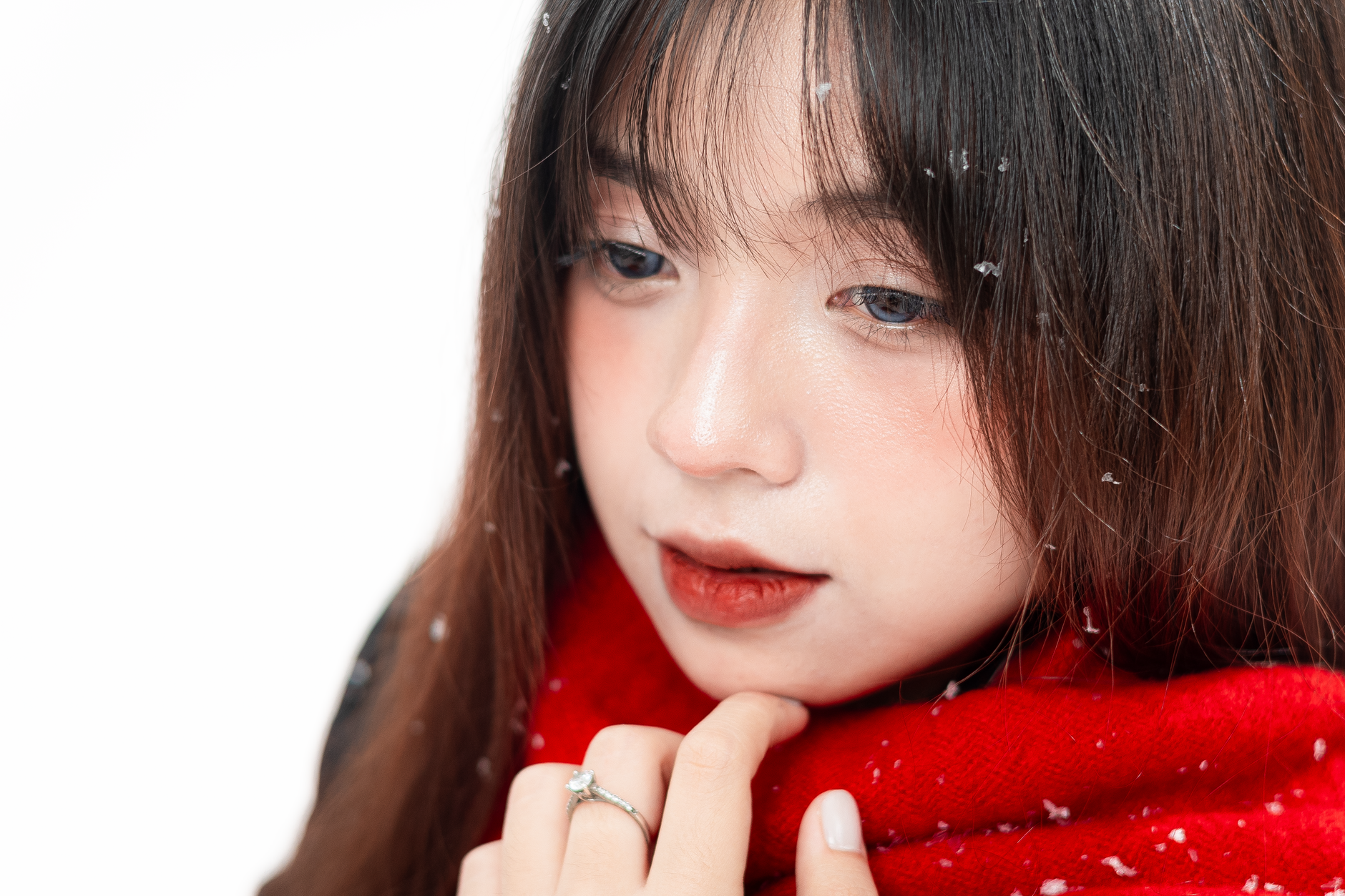
Understanding your seasonal color palette can transform the way you approach your beauty routine, enhancing your natural features and providing guidance in choosing colors that resonate with your personal style. By identifying the season you resonate with—Spring, Summer, Autumn, or Winter—you can curate a makeup and skincare strategy that complements your natural beauty.
This guide will explore seasonal color analysis, helping you determine your season while offering tailored beauty advice for skincare, makeup, haircare, and styling techniques. Whether you want to enhance your glow or select the perfect shade of lipstick, let’s dive into the world of color that suits you best!
What Season Am I? Understanding Seasonal Color Analysis
Seasonal color analysis categorizes individuals into four seasonal palettes based on their undertones, hair, and eye color. Each season possesses distinct characteristics that guide you in choosing colors for clothing, makeup, and hair. Here’s a quick overview of what each season typically represents:
- Spring: Warm, bright, and clear colors often with golden undertones.
- Summer: Cool, soft, and muted colors with slightly pastel tones.
- Autumn: Warm, rich, earthy tones with golden and copper undertones.
- Winter: Cool, vibrant, and bold colors with bluish undertones.
Identifying your season requires assessing your skin tone, hair color, and eye color to understand the undertones that dominate your appearance.
How to Determine Your Color Season
Determining your color season can be a fun and enlightening process. Here are some simple steps to help you identify your season:
- Assess Your Skin Undertone: Examine your skin in natural light. Check if you have warm, cool, or neutral undertones. An easy test is to look at the veins on your wrist:
- Green veins usually indicate a warm undertone.
- Blue or purple veins suggest a cool undertone.
- If your veins are hard to distinguish, you may have a neutral undertone.
- Evaluate Your Hair Color: Consider your natural hair color. Is it warm (golden blonde, golden brown, auburn) or cool (ash blonde, cool brown, black)? This can help refine your season.
- Examine Your Eye Color: Note the color of your eyes. Blue, green, and grey shades can indicate a Winter or Summer, while warm browns and hazel may lean toward Autumn or Spring.
- Check Color Reaction: Use a selection of fabric swatches or clothing pieces in various colors and hold them near your face. Notice which colors brighten your complexion and enhance your features versus which ones appear dull or harsh.
The Characteristics of Each Season
Let’s explore each seasonal palette in detail to help you see where you might fit:
Spring Color Palette
Spring types have warm undertones and are often characterized by:
- Light hair colors, often golden blonde or light brown.
- Bright, clear eye colors, such as light blue, green, or turquoise.
- A warm, peachy skin tone that glows in bright colors.
Suggested Colors: Bright coral, peach, light periwinkle, soft yellows, and clear turquoise are fantastic choices for clothing and makeup.
Summer Color Palette
Summer individuals usually feature cool undertones and are noted for:
- Medium to light ash-blonde or cool brown hair.
- Soft eye colors like grey, blue, or muted green.
- Pale skin that is often complemented by soft, muted colors.
Suggested Colors: Soft pinks, lavender, baby blue, and muted grey are ideal for both clothing and makeup options.
Autumn Color Palette
Those who fall under the Autumn palette generally have a warm and rich overall appearance:
- Hair that ranges from deep golden blonde to rich auburn and dark brown.
- Earthy eye colors such as hazel, warm brown, or green.
- Golden or olive skin tones.
Suggested Colors: Rich oranges, olive green, mustard yellow, and deep reds complement this palette beautifully.
Winter Color Palette
Winter types primarily have cool tones and exhibit:
- Dark hair colors like black or cool brown, or bright light hair with no warmth.
- Crisp eye colors, often icy blue, dark brown, or deep green.
- Cool, fair skin that may burn easily, complementing stark, vivid colors.
Suggested Colors: Bright white, royal blue, pure black, and hot pink are striking choices for full impact.
Skincare Tips Based on Your Season
Each season not only affects the colors you should wear but can also influence your skincare choices. Here are tailored skincare routines and products for each seasonal type:
Spring Skincare Routine
Bright, lightweight products that enhance the dewy, warm glow characteristic of Spring are ideal. Consider:
- Cleanser: Use a gentle, hydrating cleanser to maintain your skin’s natural moisture.
- Toner: Opt for a refreshing floral or citrus toner.
- Moisturizer: Embrace lightweight creams or gel-based moisturizers that hydrate without heaviness.
- Sunscreen: A broad-spectrum SPF should be your morning essential; look for one with added hydration.
Summer Skincare Routine
The lightweight, protective formulations are favored by Summer types to keep the skin calm and fresh. Steps include:
- Cleanser: Choose a gentle gel or foaming cleanser that can minimize excess oil.
- Exfoliation: Incorporate light exfoliation 1-2 times per week to promote cell turnover and manage dullness.
- Moisturizer: Use an oil-free, hydrating gel to keep skin balanced.
- Sunscreen: Light but potent SPF sunscreen is crucial, ideally with water-resistant properties.
Autumn Skincare Routine
Autumn types benefit from richer and more nourishing products. Typical steps are:
- Cleanser: Select a creamy, hydrating cleanser to maintain skin moisture.
- Toner: Look for toners with calming ingredients like chamomile or aloe.
- Moisturizer: Rich creams or oils will help combat dryness, especially during cooler months.
- Sunscreen: Always opt for broad-spectrum SPF, even on cloudy days.
Winter Skincare Routine
Winter individuals should focus on keeping the skin hydrated and protected. Follow these steps:
- Cleanser: A moisturizing, creamy cleanser that won’t strip your skin.
- Toner: Use an alcohol-free toner that hydrates and prepares your skin for heavier products.
- Moisturizer: Thicker creams are your friend to build a barrier against harsh elements.
- Sunscreen: Daily broad-spectrum sunscreen is essential for combating skin damage from UV rays.
Makeup Suggestions for Each Season
Your seasonal palette can also inform the makeup products you select. Here’s a breakdown of color choices and techniques for each season:
Spring Makeup Palette
Spring types benefit from fresh and bright colors:
- Foundation: Look for foundations with a dewy finish.
- Blush: Soft pink or peach tones are flattering.
- Eyeliner: Try light bronze or warm brown instead of stark black.
- Lipstick: Choose coral, peach, or soft pink shades.
Summer Makeup Palette
For Summer beauties, opt for cool and soft hues:
- Foundation: A lightweight foundation or tinted moisturizer is perfect.
- Blush: Soft pinks and muted berry shades work well.
- Eyeliner: Soft greys and browns enhance the eyes without overpowering.
- Lipstick: Look for muted pinks, soft mauves, and pastel shades.
Autumn Makeup Palette
Autumn types shine in rich and earthy tones:
- Foundation: Choose foundations with warm undertones.
- Blush: Opt for deep oranges, rust, or burnt sienna.
- Eyeliner: Rich browns or dark greens add dimension.
- Lipstick: Go for warm reds, terracotta, or copper shades.
Winter Makeup Palette
Winter individuals can rock bold and striking colors:
- Foundation: Choose a matte foundation for a polished look.
- Blush: Go for vibrant, cool-toned pinks or berry colors.
- Eyeliner: Use black or dark navy to really define your eyes.
- Lipstick: Opt for bold reds, fuchsias, or deep plums.
Choosing the Right Hair Color for Your Season
Your chosen season can offer insights into the ideal hair color for your overall look. Here are tailored suggestions for hair color based on each seasonal palette:
Spring Hair Color
Spring types look great in:
- Golden blonde
- Strawberry blonde
- Light copper
Summer Hair Color
Summer types are best with:
- Dirty blonde
- Light to medium ash brown
- Soft pastel highlights
Autumn Hair Color
Rich, warm colors suit Autumn types well:
- Golden chestnut
- Reddish brown
- Deep auburn
Winter Hair Color
Cool and dark shades work splendidly for Winter:
- Jet black
- Cool brown
- Bright platinum blonde
Conclusion and Next Steps
Understanding what season you fit into allows for a thoughtful approach to enhancing your natural beauty through tailored skincare, makeup, and hair choices. Explore the suggested products and techniques that resonate most with you to create a confident routine that reflects your unique style.
To deepen your knowledge, consider exploring related beauty guides and routines on enhancing your skincare routine or selecting the perfect makeup for your season. Stay authentic to your beauty essence, and let your colors shine!