
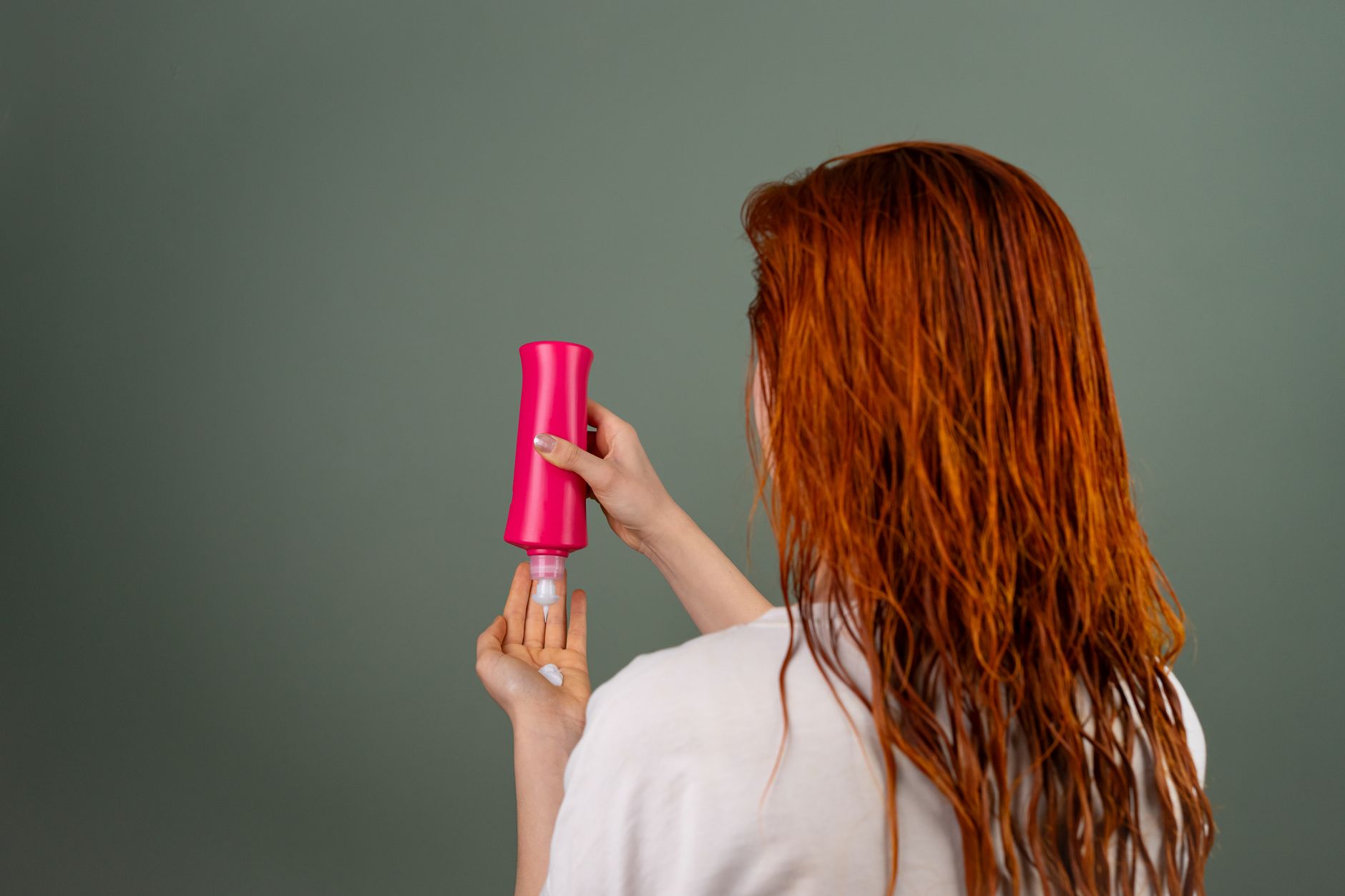
Many people overlook the importance of hair moisturizing in their beauty routines. Maintaining proper moisture levels in your hair is essential for keeping it healthy, shiny, and manageable. This guide is designed to help you learn effective ways to moisturize your hair, whether it is straight, wavy, curly, or coily.
By understanding your hair type and utilizing the right techniques and products, you can achieve better results and embrace the beauty of well-moisturized hair.
How to Moisturize Hair?
To effectively moisturize hair, consider your specific hair type and the right techniques to use. Key steps include hydrating with the right products, following a hair care routine, and knowing when to apply moisture. Tailoring your approach ensures that your hair enjoys an ideal balance of hydration and protection.
Understanding Hair Types and Moisture Needs
Different hair types respond uniquely to moisture. Understanding your hair’s specific needs can significantly enhance the results of your moisturizing efforts. Here are some common hair types and their moisture requirements:
- Straight Hair: Generally less prone to dryness but can still benefit from lightweight moisture to maintain shine.
- Wavy Hair: This hair type may require more moisture as it tends to be drier on the ends.
- Curly Hair: Curly hair usually needs substantial moisture and nourishment to help define curls and prevent frizz.
- Coily Hair: Tightly coiled hair has the highest moisture needs. Use heavy creams and oils to keep it hydrated.
The Importance of Hair Moisture
Moisturizing your hair is crucial for several reasons:
- Prevents Breakage: Well-moisturized hair is less prone to split ends and breakage.
- Enhances Shine: Moisture levels in hair can affect its overall appearance. Hydrated hair typically looks shinier and healthier.
- Improves Manageability: Moisturizing can make your hair easier to detangle and style.
- Reduces Frizz: A regular moisturizing routine curbs frizz and enhances curl definition.
Steps to Moisturize Hair Effectively
Moisturizing hair involves a systematic approach. Follow these steps for effective hydration:
- Shampoo Correctly: Start by using a gentle, hydrating shampoo. Look for sulfate-free options to avoid stripping natural oils.
- Condition Thoroughly: Apply a conditioner that matches your hair type. Focus on mid-lengths to ends and leave it on for a few minutes for optimal hydration.
- Use a Leave-In Conditioner: After rinsing out your conditioner, apply a leave-in conditioner to lock in moisture. This step is essential, especially for wavy, curly, and coily hair.
- Incorporate Hair Oils or Creams: For added moisture, use a hair oil or cream suited for your hair type. Apply these on damp hair to seal in moisture.
- Deep Condition Regularly: Treat your hair to a deep conditioning mask once a week or as needed to replenish moisture levels.
Choosing the Right Products
When selecting products for moisturizing your hair, consider the following factors:
- Hair Type: Choose moisturizers designed for your specific hair type.
- Ingredients: Look for hydrating ingredients like glycerin, aloe vera, shea butter, and various oils (such as argan or coconut oil).
- Avoid Harsh Chemicals: Stay away from products containing sulfates, parabens, or alcohol, as they can be drying.
Moisturizing Techniques
In addition to using the right products, implementing specific techniques enhances your moisturizing routine. Here are some effective methods:
Layering Products
Layering products can boost moisture levels without weighing hair down. Start with water-based products, followed by leave-in conditioners, and then seal with oils. This method is especially beneficial for thicker or coarser hair textures.
Satin or Silk Accessories
Using satin or silk pillowcases, hair wraps, or bonnets can minimize moisture loss during sleep. These materials reduce friction and keep your hair hydrated, especially for textured hair.
Moisture Retention Tips
Moisture retention is key to maintaining hydrated hair. Implement these tips to improve your moisture retention:
- Hydrate Internally: Drink plenty of water, as hydration starts from within.
- Limit Heat Styling: Reduce the use of heat-styling tools that can dry out your hair.
- Protect Your Hair: Use protective hairstyles to minimize exposure to environmental stressors.
Common Mistakes to Avoid
While focusing on hair moisture, be aware of common missteps that can hinder your progress:
- Over-washing: Washing your hair too often can strip natural oils. Determine your hair’s optimal washing frequency and stick to it.
- Ignoring the Scalp: A healthy scalp is essential for hydrated hair. Incorporate scalp treatments to promote moisture at the roots.
- Using Too Much Product: Avoid applying excessive product, as it can lead to buildup and weigh hair down.
Homemade Moisturizing Treatments
If you’re interested in DIY options, several homemade recipes can provide deep hydration for your hair. Here are a few simple treatments:
Olive Oil and Honey Mask
This mask combines the moisturizing properties of olive oil with honey’s humectant qualities. Here’s how to prepare it:
- Mix 2 tablespoons of olive oil with 1 tablespoon of honey.
- Apply the mixture to your hair, focusing on the ends.
- Leave it on for 30 minutes, then rinse thoroughly.
Aloe Vera Gel Treatment
Aloe vera is an excellent natural moisturizer. To use it:
- Extract fresh aloe vera gel from a leaf.
- Applying it directly to your hair can provide hydration and nourishment.
- Leave it on for 20 minutes before rinsing.
Coconut Milk and Avocado Mask
This creamy mask is rich in moisture and vitamins.
- Blend 1 ripe avocado with 1/2 cup of coconut milk until smooth.
- Apply to damp hair and leave on for 30-40 minutes.
- Rinse thoroughly with lukewarm water.
When to Moisturize Your Hair
Knowing when to apply moisture is just as important as how you do it. Here are popular scenarios for moisturizing your hair:
- After Washing: Always apply moisture on damp hair to lock in hydration.
- Before Styling: Apply a moisturizing product before using heat styling tools.
- As Needed: If your hair feels dry or brittle, apply a leave-in or moisturizing cream to refresh it.
Maintaining Moisture with Seasonal Changes
Different seasons can impact your hair’s moisture levels. Adapting your routine as the seasons change is essential. Here are some considerations:
- Summer: Increased heat can cause dryness. Use lighter moisturizers and consider hydration sprays.
- Winter: Cold air and indoor heating can sap moisture. Opt for heavier creams and oils to combat dryness.
Traveling and Moisture Care
If you’re traveling, it may be challenging to maintain your hair care routine. Consider these tips while away:
- Pack travel-sized moisturizing products to maintain your regimen.
- Wear a hat to protect your hair from harsh sun and wind.
- Hydrate often, as travel can dehydrate you.
Conclusion
Moisturizing your hair is a powerful way to improve its health and appearance. You can enjoy shinier, softer, and more manageable hair by employing the right techniques and products and addressing your specific hair needs. Remember that maintaining a consistent routine is key to achieving lasting results. Don’t forget to explore scalp care and leave-in conditioners as they also play a vital role in hair health.