
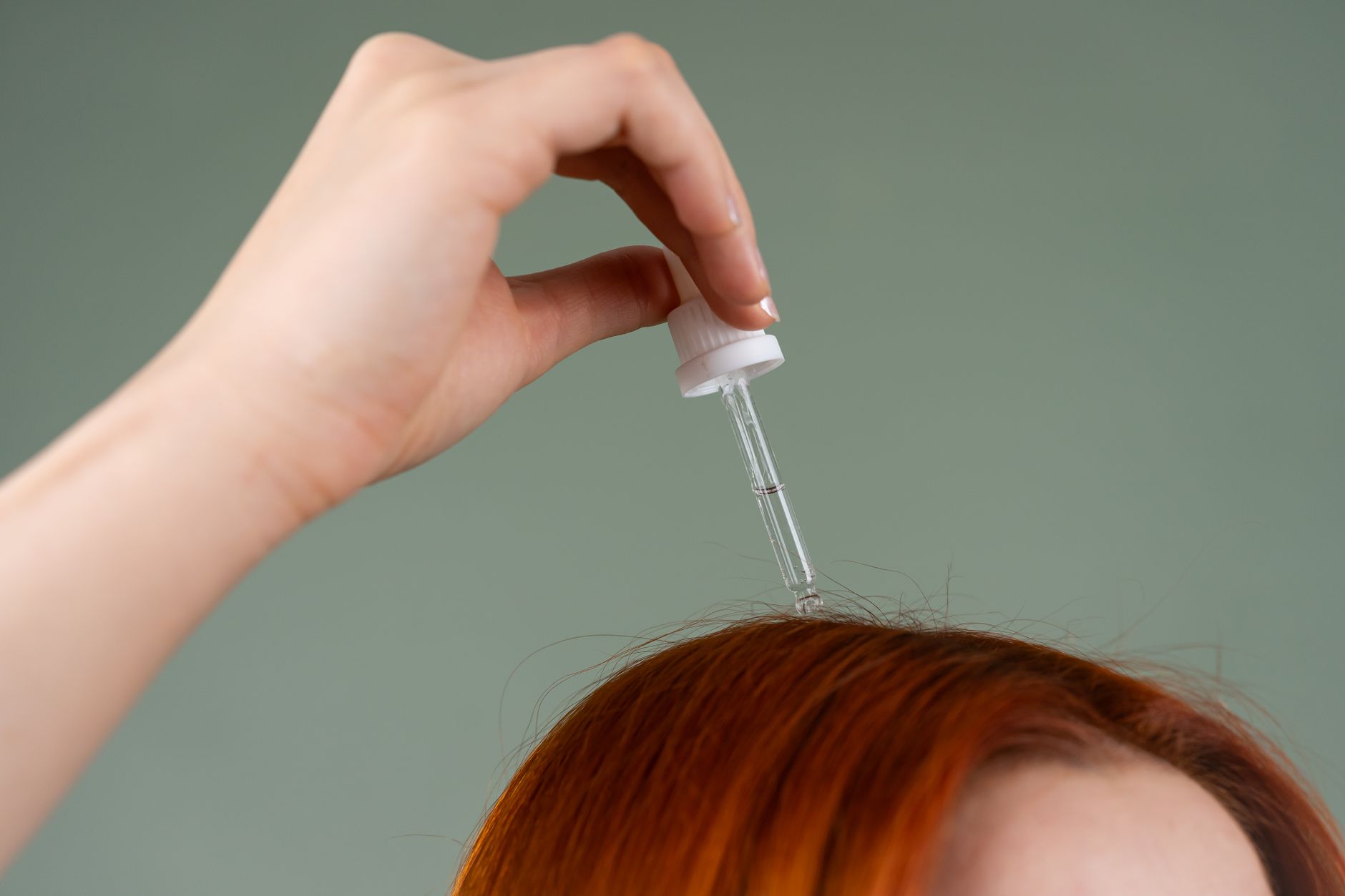
Static hair can be a frustrating problem, especially during colder months when humidity levels drop. Static electricity causes strands to repel each other, resulting in an annoying halo effect around your head. Understanding how to remove static from hair is essential for achieving a sleek look and maintaining healthy strands.
This article will explore effective techniques, product recommendations, and common mistakes to avoid when dealing with static hair. Whether you have straight, wavy, curly, or coily hair, there are methods suitable for every hair type.
How to Remove Static From Hair?
To remove static from hair, ensure it is properly moisturized and use anti-static products. Increasing humidity in your environment, employing certain styling techniques, and avoiding specific materials can also help reduce static. Each method targets the underlying causes, creating healthier, static-free hair.
Understanding the Causes of Static Hair
Static electricity in hair occurs when hair strands lose moisture and become dry. Low humidity, harsh weather, over-washing, and certain hair products contribute to this loss. Additionally, friction from clothing and certain hair accessories can lead to static buildup.
Common Causes
- Dry Weather: Cold air holds less moisture, making hair more prone to static.
- Overwashing: Washing hair too frequently strips natural oils, leading to dryness.
- Friction: Rubbing hair with towels or wearing hats can create static.
- Product Choice: Some styling products can contribute to dryness or leave a residue that attracts static.
Best Practices to Remove Static From Hair
Now that we understand the causes, let’s explore practical methods to manage and remove static from your hair.
1. Moisturize Your Hair
Keeping your hair well-moisturized is essential in combating static. Opt for hydrating shampoos and conditioners that contain moisturizing ingredients like glycerin, shea butter, or natural oils.
2. Use Anti-Static Hair Products
Consider using products specifically formulated to combat static hair. These products create a protective barrier around the hair, reducing frizz and static. Look for sprays, serums, or leave-in conditioners labeled as anti-static.
3. Adjust Your Washing Routine
Washing your hair less frequently can help maintain natural oils. Aim to wash your hair 2 to 3 times a week, or as needed based on your hair type.
4. Reduce Friction
Friction is a significant source of static. Use microfiber towels when drying your hair to minimize roughness. When styling, avoid plastic combs or brushes and opt for you bristle brushes, which can help reduce static buildup.
5. Increase Humidity
Creating a more humid environment can be beneficial. Consider using a humidifier in your home, particularly during the winter months.
6. Embrace Natural Oils
Applying natural oils, like argan oil or coconut oil, can not only help moisturize your hair but also reduce static. Just a few drops can help keep hair smooth and shiny.
7. Finish with a Cold Water Rinse
After washing your hair, finish with a cold water rinse. This step helps to seal the hair cuticle, which can reduce static and leave your hair looking shinier.
8. Use Dryer Sheets
Drier sheets are a quick and easy solution to combat static. Rubbing a dryer sheet over your hair can provide an anti-static effect. Just be cautious not to use too much; a little goes a long way.
Choosing The Right Products
When selecting products aimed at static control, pay attention to the ingredients. Here are some key ingredients to look for:
- Glycerin: A humectant that helps draw moisture into the hair.
- Silicone: Creates a smooth, protective barrier that helps prevent static.
- Natural Oils: Oils such as jojoba, olive, or argan can add moisture and shine.
- Fatty Alcohols: Ingredients like cetyl or stearyl alcohol can help to condition and smooth the hair.
Common Mistakes to Avoid
While trying to reduce static, it’s essential to avoid certain common mistakes that can exacerbate the issue.
1. Using Hot Water
Washing your hair with hot water can strip away natural oils, leading to dryness. Always opt for lukewarm or cool water when washing or rinsing your hair.
2. Ignoring the Ingredients
Not paying attention to the ingredients in your hair products can lead to using items that contain drying agents, making the static problem worse. Always check the labels!
3. Neglecting to Condition
Skipping conditioner or using a lightweight formula that lacks moisture can leave hair feeling dry and staticky. Choose a conditioner that deeply moisturizes your hair type.
4. Overusing Styling Products
Using too much product can lead to buildup, which might attract static. Stick to the recommended amounts, and ensure to regularly clarify your hair to remove excess build-up.
5. Using the Wrong Tools
Certain hair tools can contribute to static. Plastic brushes and combs can create friction; instead, opt for wooden or boar bristle brushes when detangling and styling.
6. Hasty Hair Drying
Rubbing wet hair with a towel can create friction and lead to static. Instead, gently pat your hair dry or wrap it in a microfiber towel.
Seasonal Tips for Reducing Static
Static hair may be more prevalent during specific times of the year, such as winter due to dry air and indoor heating. Here are seasonal suggestions to minimize static.
Winter Tips
- Invest in a humidifier to add moisture back into the air.
- Wear hats made from natural fibers rather than synthetic materials, which can create static.
- Opt for moisturizing hair treatments and masks to counteract dryness from the cold.
Summer Tips
- Protect hair from sun damage using UV-blocking products or wearing a hat.
- Hydrate from within by drinking lots of water and eating water-containing fruits and vegetables.
- Limit the use of heat styling tools to prevent further dryness.
Hair Types and Static Management
Hair type plays a significant role in how static manifests and how it can be controlled. Below are some tailored approaches based on hair types.
Fine Hair
- Use lightweight moisturizing products to avoid weighing down your hair.
- Apply a volumizing mousse to provide hold without adding static.
Curly Hair
- Heavy creams and butters can help keep curls intact and reduce frizz.
- A leave-in conditioner can provide added moisture and anti-static properties.
Coily/Kinky Hair
- Focus on nourishing oil blends to keep hair moisturized and reduce frizz.
- Consider protective styles that limit hair exposure and friction.
Styling Techniques to Minimize Static
Strategic styling can help minimize static. Here are some professional tips.
1. Use Moisturizing Styling Creams
When applying styling products, opt for creams rather than gels. Creams often contain higher moisture levels and generally provide better control over static.
2. Incorporate Braids or Twists
Styling hair in braids or twists can reduce exposure to static-causing elements, providing a protective style.
3. Avoid Over-styling
Excessive styling or the use of heated tools can lead to further dryness. Maintain a consistent heat-styling routine, allowing hair to rest whenever possible.
DIY Remedies for Static Hair
If you prefer a DIY approach, consider these natural remedies to manage static in your hair.
1. Apple Cider Vinegar Rinse
Mix one part apple cider vinegar with three parts water and use it as a rinse after shampooing. This helps to remove product buildup and can help smooth the hair cuticle.
2. Aloe Vera Gel
Apply a small amount of aloe vera gel to your palms and run your hands through your hair for moisture and static control.
3. Coconut Oil Treatment
Applying a little coconut oil on damp hair helps to lock in moisture and can prevent static buildup.
Conclusion
Managing static hair is a multifaceted issue that requires understanding causes, using appropriate products, and employing effective techniques. By implementing moisturizing practices, using anti-static products, avoiding common mistakes, and adjusting your routine based on hair type and season, you can achieve beautiful, static-free hair.
Consider exploring related beauty guides, such as addressing why your hair is staticky or tips on how to fix frizzy hair.