
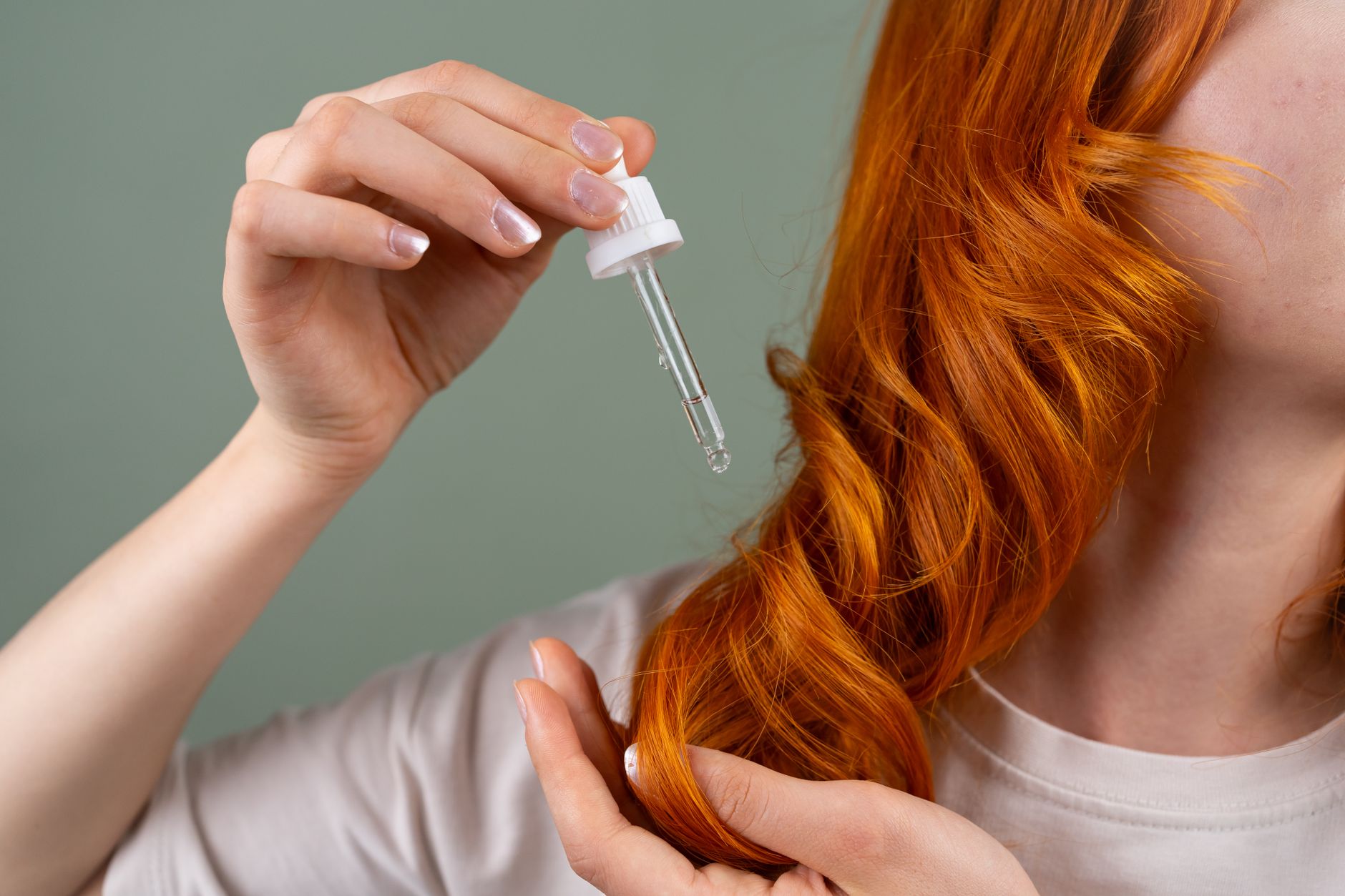
Rosemary oil is a fragrant essential oil derived from the rosemary herb, known for its potential benefits for hair care. Its antifungal and antibacterial properties may help promote a healthy scalp and hair growth. In this article, we will explore how to make rosemary oil for hair, providing a simple DIY recipe, practical tips, and safety considerations.
Creating your own rosemary oil allows you to ensure purity and customize it to your hair type or specific needs. Whether you’re looking to invigorate your scalp, boost hair shine, or add a delightful scent to your hair routine, making rosemary oil is a straightforward process. Read on to discover the steps and tips to get started.
How to Make Rosemary Oil for Hair?
To make rosemary oil for hair at home, you can infuse fresh or dried rosemary leaves in a carrier oil. This method extracts the properties of rosemary effectively, resulting in a beneficial oil. The infusion process takes about 2 to 4 weeks, depending on your preferred strength. Here’s how you can do it:
What You’ll Need
- Fresh or dried rosemary leaves (1 cup)
- Your choice of carrier oil (e.g., olive oil, coconut oil, jojoba oil) – 2 cups
- A clean glass jar with a tight-fitting lid
- Strainer or cheesecloth
- Dark glass bottle for storage
DIY Rosemary Oil Recipe
- Prepare the Rosemary: If using fresh rosemary, rinse and pat it dry to remove any dirt. Chop the leaves roughly to release their oils. If using dried rosemary, you can skip this step.
- Combine Rosemary and Carrier Oil: In a clean glass jar, add the prepared rosemary leaves and pour in your chosen carrier oil until it covers the rosemary completely. Leave some space at the top of the jar to allow for expansion.
- Seal and Store: Tightly seal the jar and store it in a warm, dark place like a cupboard or pantry. Agitate the jar gently every few days to help release the properties of the rosemary into the oil.
- Infuse the Oil: Let the mixture infuse for about 2 to 4 weeks. The longer you let it sit, the stronger the rosemary scent and benefits will be.
- Strain the Oil: After 2 to 4 weeks, use a strainer or cheesecloth to filter the oil into a clean, dark glass bottle. This protects the oil from light, prolonging its shelf life.
- Store and Use: Store your rosemary oil in a cool, dark place. It can be used in various ways, such as a scalp massage oil or added to your favorite hair products.
Benefits of Rosemary Oil for Hair
Rosemary oil has various hair benefits that can enhance your hair care routine. Here are some of the key advantages:
- Stimulates Hair Growth: Rosemary oil may help improve blood circulation in the scalp, which can promote hair growth and thickness.
- Prevents Dandruff: The antifungal properties of rosemary oil can help combat dandruff and keep your scalp healthy.
- Improves Scalp Health: Its antibacterial properties can help maintain a clean and balanced scalp environment.
- Adds Shine and Luster: Rosemary oil enhances the shine of hair and provides a pleasant aroma, elevating your overall hair texture.
Choosing the Right Carrier Oil
The choice of carrier oil is essential when making rosemary oil as it impacts the overall benefits and application. Here are some popular options:
- Olive Oil: Rich in vitamins A and E, olive oil nourishes hair and provides moisture.
- Coconut Oil: Known for its deep conditioning properties, coconut oil helps keep hair hydrated and strong.
- Jojoba Oil: Closely resembling the natural oils of the scalp, jojoba oil balances moisture levels and supports healthy hair.
- Almond Oil: Almond oil is lightweight and effective in softening hair while adding shine.
How to Use Rosemary Oil for Hair
There are several ways to incorporate rosemary oil into your hair care routine. Here are some practical methods:
- Scalp Massage: Apply diluted rosemary oil to your scalp and massage gently. This boosts blood circulation and promotes relaxation.
- Add to Shampoo or Conditioner: Mix a few drops of rosemary oil with your regular shampoo or conditioner for added benefits.
- Hair Treatment: Use rosemary oil as a deep conditioning treatment by applying it to your hair and leaving it on for 30 minutes or longer before rinsing.
- Hair Fogger: Dilute rosemary oil in water in a spray bottle and use it as a hair refresher.
Safety Tips for Using Rosemary Oil
While rosemary oil is generally safe for topical use, keeping a few safety tips in mind is essential:
- Patch Test: Always perform a patch test before using rosemary oil on your scalp or skin to avoid potential allergic reactions.
- Dilution: Never apply essential oils directly to the skin without dilution. Always mix rosemary oil with a carrier oil.
- Pregnancy and Medical Conditions: Consult with a healthcare provider if you are pregnant, nursing, or have any existing health conditions before using rosemary oil.
- Heightened Sensitivity: If you notice any irritation, redness, or itching, discontinue use immediately.
Common Mistakes to Avoid
Making your own rosemary oil can be fun and rewarding, but there are common mistakes to be aware of:
- Improper Storage: Always store your rosemary oil in a dark glass bottle and in a cool place to extend its shelf life.
- Using Undiluted Oil: Undiluted rosemary oil may cause skin irritation; always dilute it properly.
- Ignoring the Infusion Time: Rushing the infusion process may not yield the full benefits of rosemary. Be patient!
- Not Filtering Properly: Ensure you filter out all solid particles to prevent spoilage.
Realistic Expectations with Rosemary Oil
While rosemary oil can promote a healthy scalp and enhance hair appearance, it is essential to manage your expectations. Results may vary based on individual hair and scalp conditions. Consistency and integration into a regular hair care routine will provide more noticeable results over time.
Combining Rosemary Oil with Other Effective Ingredients
For enhanced benefits, rosemary oil can be combined with other natural ingredients:
- Castor Oil: Known for its nourishing and moisturizing properties, castor oil can help boost the effectiveness of rosemary oil.
- Aloe Vera: Adding aloe vera gel can help soothe the scalp and provide additional hydration.
- Lavender Oil: Mixing lavender essential oil with rosemary oil can create a calming blend that promotes relaxation and enhances hair health.
Revamping Your Hair Care Routine
Integrating rosemary oil into your hair care habits can be an empowering experience. Here are some additional tips to enhance your routine:
- Choose Quality Products: Use sulfate-free and natural hair products to complement the nourishing effects of rosemary oil.
- Hydration is Key: Drink plenty of water and maintain a balanced diet to promote healthy hair growth from within.
- Limit Heat Styling: Reducing heat styling can prevent damage, helping to keep your hair healthy and strong.
Conclusion
Creating rosemary oil for hair is a simple yet impactful addition to your hair care regimen. With its potential benefits ranging from improved scalp health to enhanced hair shine, rosemary oil can be a versatile and fragrant way to take care of your locks. Remember to follow the steps outlined in this article, practice safety precautions, and keep realistic expectations about results.
For your next step, consider exploring how rosemary oil can impact hair growth and other oil options, such as coconut oil for your hair. Check out our related guides on does rosemary oil grow hair and is coconut oil good for your hair.