
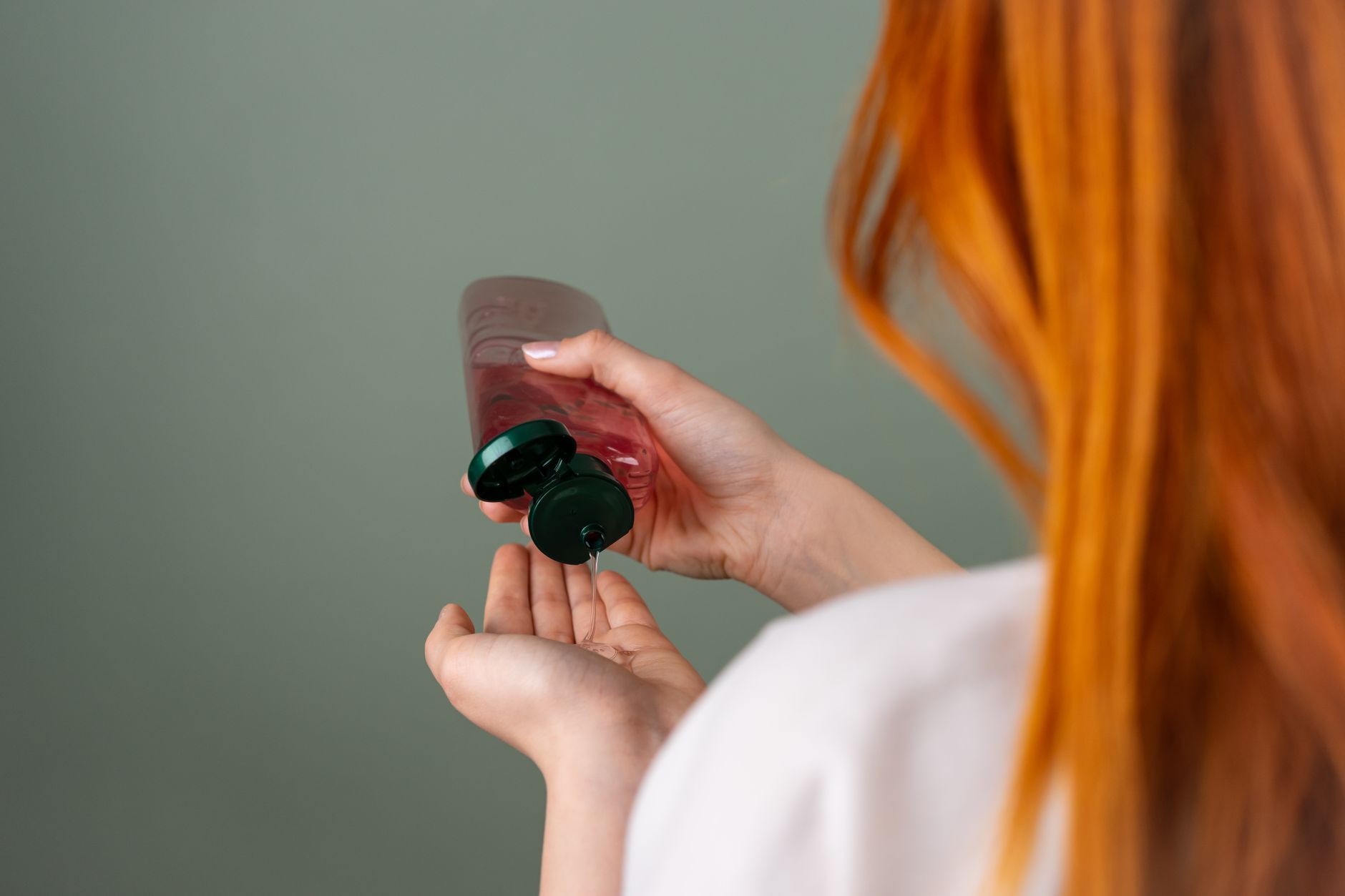
Finding the best shampoo and conditioner for your hair can feel overwhelming, given the multitude of products available. The right combination can rejuvenate your locks, improve manageability, and enhance your natural beauty. It’s essential to choose products tailored to your specific hair type and concerns, ensuring that you get the best results and care for your hair.
This guide will explore what makes a shampoo and conditioner set the best for your hair. From understanding different hair types to the key ingredients to look out for, you’ll be equipped with the knowledge to select products that truly cater to your needs.
What Is The Best Shampoo And Conditioner?
The best shampoo and conditioner for you depends on your hair type, concerns, and personal preferences. Generally, effective products cleanse the hair without stripping essential oils and provide adequate moisture and nourishment. Look for ingredients that cater specifically to your hair’s needs, whether that means hydration, strength, volume, or damage repair.
Understanding Hair Types
Your hair type greatly influences what products will work best for you. Understanding this is the first step in selecting suitable shampoo and conditioner pairs. Here are the main hair types:
- Straight Hair: Usually shiny and tends to get oily quickly. Lightweight shampoos that add volume without weighing it down are ideal.
- Wavy Hair: This hair type has a natural bounce but can be frizzy. Look for products that provide moisture while reducing frizz.
- Curly Hair: Often dry and prone to frizz. Moisturizing shampoos and creamy conditioners that hydrate curls are crucial for maintaining definition.
- Kinky/Coily Hair: Tightly coiled and prone to dryness. Intensive moisturizing and curl-defining products are best for this type.
- Fine Hair: Generally lacks volume and is easily weighed down. Look for volumizing shampoos and lightweight conditioners.
- Thick Hair: This hair type can handle heavier products that provide moisture and control. Look for deep conditioning formulas.
Common Concerns and Ingredients
Once you identify your hair type, it’s important to consider any specific concerns you might have, such as dryness, damage, or color treatment. Below are some common concerns and the ingredients that can help address them.
Dryness
If your hair feels dry and brittle, look for shampoos and conditioners containing:
- Shea Butter: A natural moisturizer that nourishes and hydrates.
- Argan Oil: Rich in fatty acids and antioxidants, it helps restore moisture.
- Coconut Oil: Known for its ability to penetrate the hair shaft and provide moisture.
Damage
For hair that is damaged due to heat or chemical treatments, look for reparative ingredients such as:
- Keratin: A protein that helps strengthen the hair.
- Biotin: Supports hair health and growth.
- Amino Acids: Help rebuild damaged hair.
Color Treated Hair
Color-treated hair requires special care to maintain vibrancy. Consider products that feature:
- Color Protecting Agents: Ingredients like sunflower extract help preserve color.
- Sulfate-Free Formulas: These are gentler on hair and help retain color.
- UV Filters: Protect hair from sun damage.
Choosing the Right Shampoo
When selecting a shampoo, consider the cleansing properties and whether they match your hair type. Here’s how to choose:
- Assess Your Hair Needs: Decide whether you need hydration, volume, or repair.
- Look for Sulfate-Free Products: Especially for dry or color-treated hair.
- Consider Your Scalp Health: If you have an oily or dry scalp, select shampoos targeting those issues.
- Choose Appropriate Fragrance: Scent can influence daily hair routine enjoyment.
- Pay Attention to pH Balance: A balanced pH can help maintain healthy hair.
Choosing the Right Conditioner
Conditioners complement shampoos by providing hydration and manageability. Here’s how to select one:
- Identify Your Hair Type: Different hair types require different conditioner types.
- Select the Right Consistency: Thicker creams are better for dry or curly hair, while lighter formulations suit finer hair.
- Consider Leave-In or Rinse-Out Options: Some hair types benefit from leave-in conditioners to provide ongoing hydration.
- Look for Additional Treatment Benefits: Some conditioners contain ingredients for heat protection, color preservation, and scalp relief.
Building Your Haircare Routine
Establishing a haircare routine with the right shampoo and conditioner can promote healthier hair. Follow these steps:
- Wash Your Hair Regularly: Choose a frequency (daily, every other day, or weekly) based on your hair type and lifestyle.
- Apply Shampoo Correctly: Use a quarter-sized amount, focusing on the scalp. Rinse thoroughly.
- Condition Properly: Apply conditioner mid-length to the ends, avoiding the roots unless your hair is very dry.
- Use a Detangler or Leave-In Conditioner: This can help ease styling and prevent breakage.
- Heat Protectant: If you style your hair with heat, always apply a protectant beforehand.
Myths Surrounding Shampoo and Conditioner
Several myths can throw off your quest for the best products. Let’s dispel some:
- Shampoo Should Lather a Lot: A rich lather doesn’t equal effectiveness; some sulfate-free shampoos may not lather as much.
- All Hair Needs to Be Washed Daily: For many, washing daily can strip natural oils. Adjust based on your hair’s needs.
- Conditioner Weighs Hair Down: Using the right type of conditioner won’t weigh your hair down if applied correctly.
- Shampoo and Conditioner Must Match: While matching is fine, it is more crucial to focus on what your hair needs.
Common Mistakes in Hair Care
Here are some frequent errors to avoid when selecting and using shampoo and conditioner:
- Over-Washing Hair: Daily washes can strip natural oils. Adjust your routine based on your hair’s condition.
- Neglecting Scalp Health: A clean scalp is essential for healthy hair growth. Choose clarifying shampoos occasionally.
- Skipping Conditioner: Never forgo conditioner, as it’s vital for maintaining moisture and softness.
- Ignoring Product Labels: Always check labels for ingredients to avoid allergens or unwanted chemicals.
Realistic Expectations
Keep in mind that the best shampoo and conditioner will not yield overnight transformations. Hair health takes time to improve. Factors such as diet, stress, and genetics also play a role in the appearance and health of your hair. Here’s what to keep in mind:
- Consistency is key. Stick to your routine for several weeks to see improvements.
- Don’t expect drastic changes after a single wash. Hair needs time to recover and show results.
- Understand that some products may take longer to show results than others, based on your particular needs.
Trying Different Products
Everyone’s hair is unique, and sometimes it takes a few tries to find the perfect shampoo and conditioner combo. Here’s a systematic way to explore different products:
- Patch Test New Products: Apply a small amount to see if you have an adverse reaction.
- Begin with Smaller Sizes: Opt for travel sizes before investing in full-size products.
- Make Notes: Track how your hair responds to different products over time.
- Seek Recommendations: Consult hair professionals for tailored advice based on your specific needs.
Conclusion
Choosing the best shampoo and conditioner for your hair is a personal journey that requires understanding your unique hair type and concerns. By exploring different products, learning about ingredients, and building a consistent routine, you can give your hair the care it deserves. Whether you have straight, wavy, curly, or coily hair, the right products can promote healthier and more vibrant locks.
To maximize your haircare journey, consider checking out guides on clarifying shampoos and how often to condition your hair for more tailored advice on maintaining optimal hair health.
Explore more beauty guides, including what clarifying shampoo does and how often you should condition your hair.