
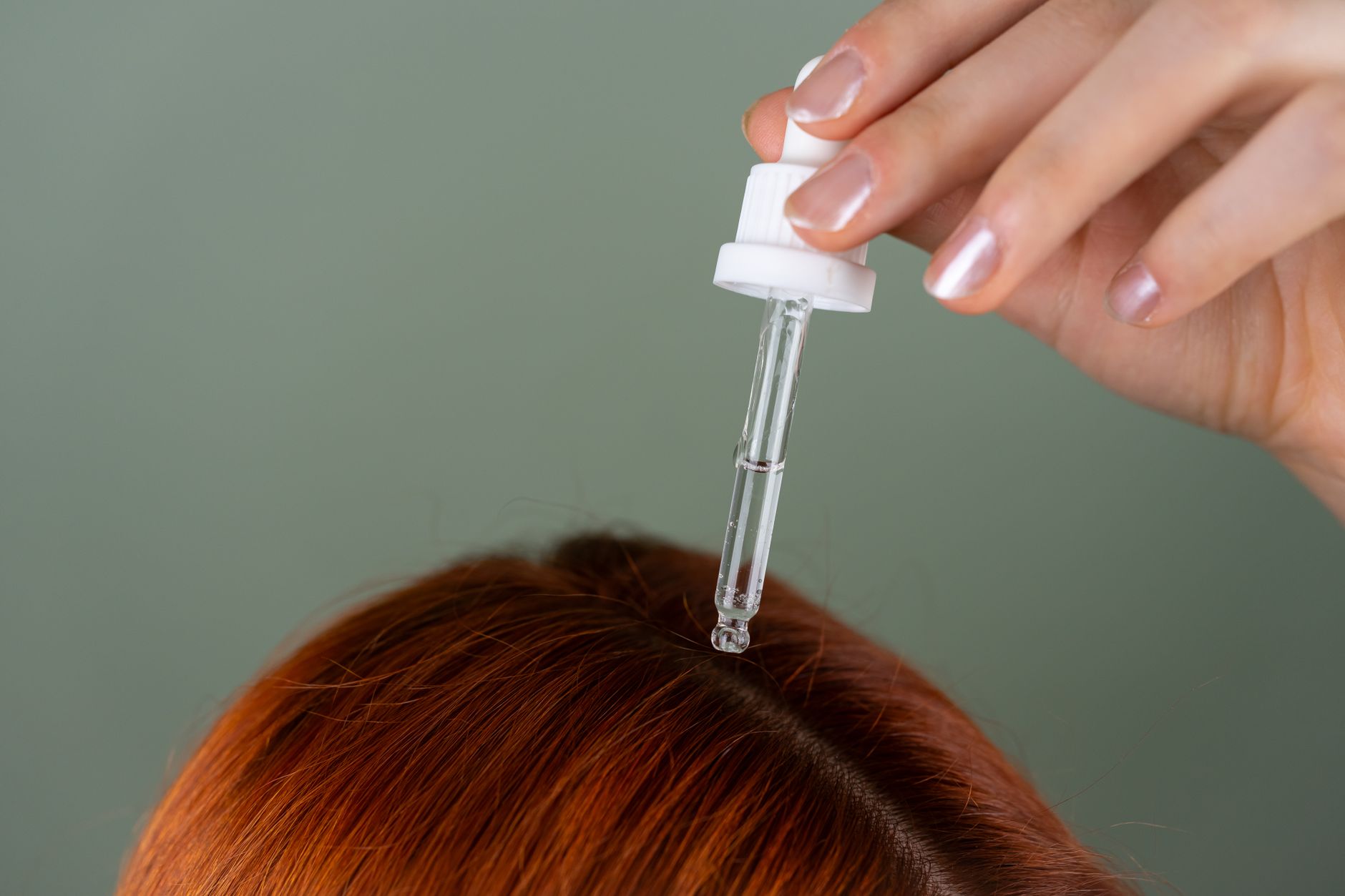
Minoxidil has gained popularity as a treatment option for hair loss, but is it safe for women? This topical solution is primarily known for its ability to promote hair regrowth and is often seen as a go-to option for those dealing with thinning hair. However, the safety and effectiveness of Minoxidil for women can raise numerous questions and concerns.
This comprehensive guide breaks down the benefits and risks associated with Minoxidil for women, helping you make an informed decision about whether it’s the right choice for your hair care regimen.
Is Minoxidil Safe for Women? (Benefits & Risks Explained)
Minoxidil is generally considered safe for women, particularly when used as directed. However, it does come with potential side effects and precautions. Its primary benefit is its ability to stimulate hair growth, making it a popular choice for women experiencing hair thinning or loss. Yet, side effects may include scalp irritation, unwanted facial hair growth, and other reactions.
What is Minoxidil?
Minoxidil is a medication that was originally developed to treat high blood pressure. It was later discovered that one of its side effects was hair growth. Now, it is widely used as a topical solution for hair loss treatment, available in both 2% and 5% formulations, although the latter is generally recommended for men due to potential side effects in women.
How Minoxidil Works
Minoxidil works by enlarging hair follicles, prolonging the growth phase of the hair cycle, and increasing blood flow to the scalp. This ultimately revitalizes and improves the health of the hair follicles, leading to increased hair density and regrowth in some individuals.
Benefits of Using Minoxidil for Women
While individual results may vary, Minoxidil offers several benefits for women who are dealing with hair loss:
- Hair Regrowth: The most significant benefit is its ability to stimulate hair regrowth. Many women have reported noticeable improvements in hair density and fullness.
- Ease of Use: Minoxidil is available in an easy-to-apply topical form, making it a convenient addition to any hair care routine.
- Fast Results: Although results can vary, some users might start seeing improvements within 12 weeks of consistent application.
- FDA Approved: Minoxidil is FDA-approved for safety and efficacy in promoting hair growth, providing some reassurance for potential users.
Potential Risks and Side Effects
As with any treatment, it’s crucial to be aware of potential risks and side effects when using Minoxidil:
- Scalp Irritation: Some users may experience itching, redness, or flaking of the scalp.
- Unwanted Hair Growth: In some cases, users may experience unwanted facial or body hair growth.
- Heart Rate Changes: Though rare, Minoxidil can cause changes in heart rate or palpitations in some individuals.
- Allergic Reactions: Always watch for signs of an allergic reaction, such as rash, swelling, or difficulty breathing, and seek immediate medical advice if they occur.
Who Should Use Minoxidil?
Minoxidil is generally safe for adult women experiencing hair thinning or loss. However, it’s especially recommended for:
- Women with androgenetic alopecia (pattern hair loss).
- Individuals with thinning hair who have not yet tried other treatments.
- Women who are looking for a non-invasive solution to hair loss.
Who Should Avoid Minoxidil?
Some women should consider avoiding Minoxidil. This includes:
- Those who are pregnant or breastfeeding, as its safety during these times has not been established.
- Individuals with scalp conditions or diseases should consult a healthcare provider before using Minoxidil.
- Women under 18 should avoid using Minoxidil unless directed by a doctor.
How to Use Minoxidil Properly
Using Minoxidil involves careful adherence to application guidelines. Follow these steps for effective use:
- Clean the Scalp: Begin with a clean, dry scalp. Wash your hair and allow it to dry completely before application.
- Apply the Solution: Use the dropper or spray to apply the recommended amount (usually 1 mL) directly to the areas of thinning hair.
- Gently Massage: Use clean fingers to gently massage the solution into the scalp. Avoid rubbing it into the hair; focus on the scalp.
- Wash Hands After Use: Always wash your hands thoroughly after applying Minoxidil to avoid unwanted hair growth in other areas.
- Allow It to Dry: Let the solution dry completely before styling your hair or lying down.
Common Mistakes to Avoid
When using Minoxidil, there are common pitfalls that should be avoided for best results:
- Skipping Applications: Consistency is key. Missing doses can impact effectiveness.
- Overuse: More does not equal better. Always adhere to the recommended dosage to avoid adverse effects.
- Using on Wet Hair: Minoxidil should only be applied to a clean, dry scalp to ensure proper absorption.
What to Expect When Using Minoxidil
Many women using Minoxidil may experience different outcomes. Here’s what to realistically expect:
- Initial Shedding: It’s common to experience increased hair shedding during the first few weeks of use due to the hair follicles transitioning to the growth phase.
- Time to Results: Improvements may take time, often 3-6 months of consistent use to see significant results.
- Maintenance: Continuing use is necessary to maintain any newfound hair growth. Stopping treatment may lead to hair loss reverting to its previous state.
Considerations Before Starting Treatment
Before you start using Minoxidil, there are a few additional considerations to keep in mind:
- Consult a Healthcare Professional: Always have a discussion with your doctor, especially if you have pre-existing health conditions or are taking other medications.
- Patch Test: It’s wise to conduct a patch test to ensure no allergic reaction occurs upon initial use.
- Price and Commitment: Consider the ongoing cost, as consistent application is vital for results.
Minoxidil Alternatives for Women
If Minoxidil isn’t the right fit for you, there are alternatives to explore:
- Finasteride: This oral medication is another hair-loss treatment, but it is not typically recommended for women, especially during childbearing age.
- Hair Growth Shampoos: Formulations designed to nourish hair and stimulate growth can serve as supportive treatments.
- Supplements: Biotin, folic acid, and other vitamins can support overall hair health.
- Low-Level Laser Therapy: Devices designed for home use that promote hair growth through light therapy.
Final Thoughts
Minoxidil is a feasible option for women seeking to combat hair loss, offering the potential for significant benefits alongside some risks. However, discussing your unique situation with a healthcare provider can guide you toward the best option tailored to your needs. Being well-informed ensures that you’re aware of what to expect and how to maximize the treatment process.
For a comprehensive overview of how to effectively apply Minoxidil, you can refer to our guide on how to apply Minoxidil. Additionally, understanding its mechanisms can enhance your treatment experience; check out our article on how Minoxidil works.