
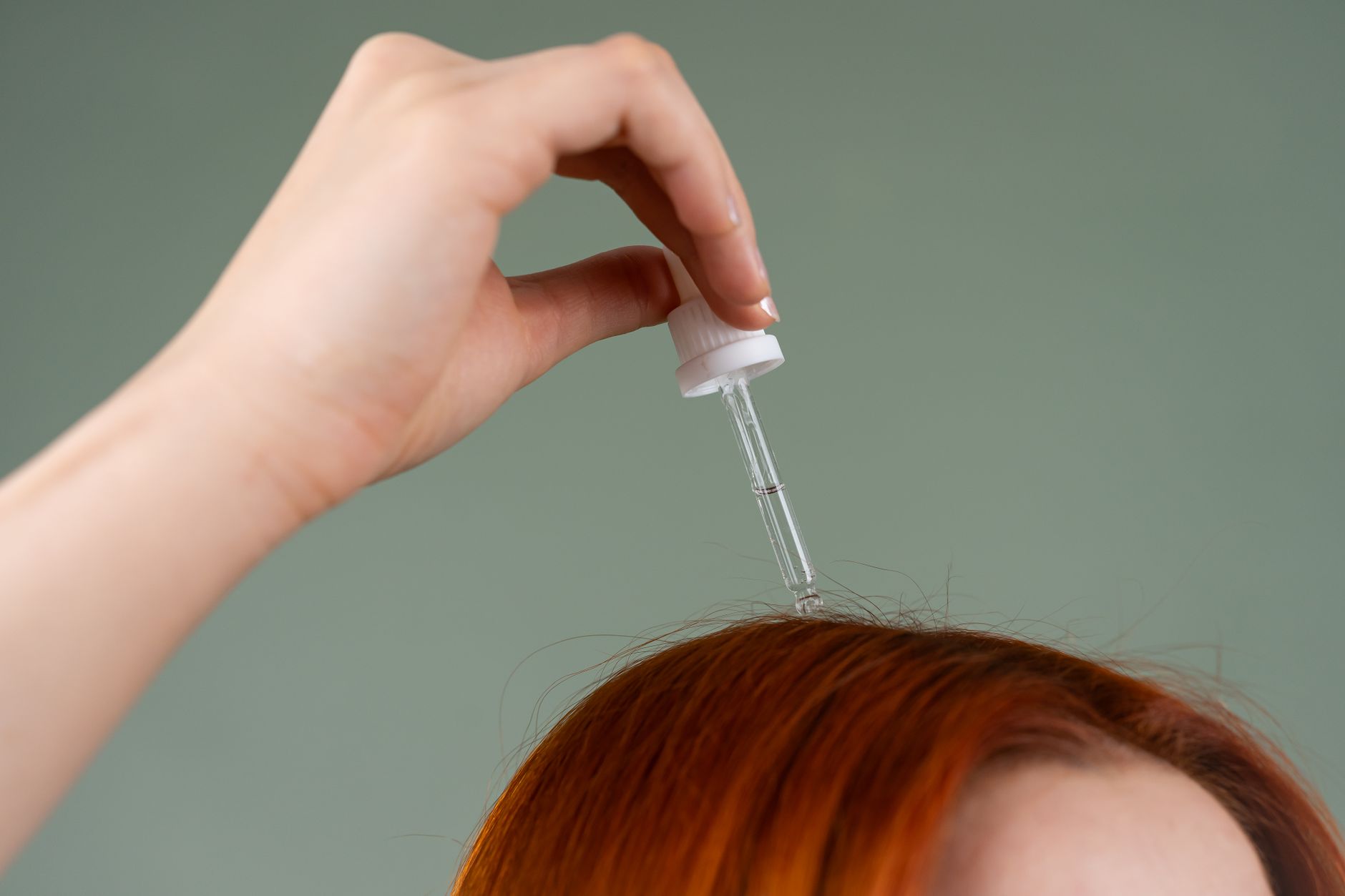
Minoxidil is a well-known ingredient in the world of hair loss treatment. Used by both men and women, it is commonly associated with treating androgenetic alopecia, often referred to as male or female pattern baldness. Understanding how minoxidil works can provide insight into its effectiveness and guide those considering it as part of their hair care routine.
This article will delve into the science behind minoxidil, its timeline for observable results, and its role in promoting hair growth. Whether you’re experiencing thinning hair or just curious about this treatment, we’ve got you covered.
How Does Minoxidil Work?
Minoxidil works by promoting hair growth and slowing down hair loss. Initially developed as an oral medication to treat high blood pressure, researchers noticed that one of its side effects was hair regrowth. As such, minoxidil became a topical solution for hair restoration, allowing direct application to the scalp.
The mechanism by which minoxidil promotes hair growth is not fully understood, but several theories exist. Primarily, minoxidil is thought to improve blood circulation to hair follicles, providing them with essential nutrients and oxygen necessary for healthy hair growth. Additionally, it may prolong the anagen phase (the active growth phase) of the hair cycle, leading to increased hair regrowth over time.
The Science of Minoxidil
Ingredients and Concentrations
Minoxidil is available in two main concentrations: 2% and 5%. While both forms are effective, the 5% solution is typically considered more potent and is often recommended for men. Recent studies suggest that women can also benefit from the 5% formulation, particularly when used consistently.
The formula may also contain propylene glycol, alcohol, and purified water, serving as carriers to help the active ingredient penetrate the scalp effectively.
Mechanism of Action
Minoxidil is classified as a potassium channel opener. This action promotes vasodilation, meaning it opens the blood vessels in the scalp. Enhanced blood flow nourishes the hair follicles, strengthening existing hair and encouraging the growth of new hair.
As mentioned earlier, minoxidil is also believed to extend the anagen phase of the hair cycle. Hair growth occurs in three phases: anagen (growth), catagen (transition), and telogen (resting). By prolonging the anagen phase, minoxidil allows hair to grow longer and thicker before transitioning to the catagen and telogen phases.
Timeline for Hair Growth
Managing expectations is paramount when starting a minoxidil regimen. Hair growth is not instantaneous; it typically takes time. Here’s a general timeline of what one might expect:
0 to 8 Weeks
- Initial shedding may occur as existing hairs fall out, making way for new growth.
- Some individuals may notice slight improvements in hair texture or thickness.
8 to 12 Weeks
- New hair growth may start to become visible, often presenting as fine, baby hairs.
- Consistency is essential. Regular application is crucial during this phase.
12 to 24 Weeks
- More pronounced hair density may be observed as these new hairs mature.
- Users might notice a covering of new hair in areas that were previously thinning.
24 Weeks and Beyond
- Full results can take up to a year or longer. Continued use is needed to maintain hair growth.
- Some individuals may experience continued improvement in coverage and thickness beyond the initial six months.
Best Practices for Use
To maximize the effectiveness of minoxidil, consider the following best practices:
- Consistency: Apply minoxidil consistently as directed, usually twice daily for the 5% solution and once daily for the 2% solution.
- Clean Scalp: Ensure your scalp is dry and clean before application. Avoid using other hair products until the solution has dried completely.
- Avoid Excessive Rubbing: Gently apply the solution without excessive rubbing, as this can irritate the scalp.
- Massage Gently: Allow the solution to absorb. A gentle massage can help, but do not overdo it to avoid irritation.
Common Mistakes to Avoid
While using minoxidil, there are some common pitfalls to watch out for:
- Skipping Doses: Inconsistent application can hinder results. Stick to your regimen as closely as possible.
- Stopping Treatment: Halting minoxidil treatment can lead to a reversal of any gains, so it’s essential to use it long-term if you want to maintain results.
- Applying to Unaffected Areas: Only apply the solution to the thinning areas of the scalp, as applying it to areas with dense hair won’t provide any added benefits.
Potential Side Effects
While minoxidil is generally well-tolerated, some potential side effects may occur, including:
- Scalp irritation or itching at the application site
- Unwanted facial hair growth if the solution drips down onto the forehead or face
- In rare cases, more severe side effects may occur, such as dizziness or an increased heart rate. If any concerning symptoms arise, consult a healthcare provider.
What to Expect From Results
Understanding what results to expect is essential for anyone starting minoxidil. Here’s what you should note:
- Minoxidil does not work for everyone. Some individuals may see little to no improvement.
- Results vary based on factors such as the underlying cause of hair loss, duration of use, and individual hair growth cycles.
- Patience is crucial as it may take several months to see visible results.
Cultural and Societal Considerations
Hair loss can be a source of distress for many individuals, affecting self-esteem and body image. The emphasis on thick, full hair in various cultures can intensify these feelings. It’s essential to approach hair loss solutions with a mindset focused on health and wellbeing rather than purely aesthetic goals.
Minoxidil is one option among many for those navigating hair loss. For some, exploring additional avenues such as supplements, dietary choices, or natural remedies may complement their regimen. However, it’s important to consult healthcare professionals before combining treatments.
Minoxidil vs. Other Treatments
In the quest for hair growth, various treatments are available beyond minoxidil. Here’s a comparison of minoxidil with a few popular options:
Finasteride
Finasteride is an oral prescription medication designed for men that inhibits the hormone responsible for hair loss. Unlike minoxidil, which promotes blood flow, finasteride directly targets hormonal imbalances. It’s important to note that finasteride is not recommended for women, and possible side effects include decreased libido or sexual dysfunction.
Natural Remedies
- Biotin: A popular supplement thought to support hair health, though evidence is mixed regarding its effectiveness for hair regrowth.
- Rosemary Oil: Often touted for stimulating hair growth, some studies suggest it may be as effective as minoxidil.
Hair Transplant Surgery
This surgical option involves relocating hair follicles from one part of the scalp to thinning areas. It can provide permanent results, though it’s invasive and costly. Minoxidil can be used post-surgery to help maintain newly transplanted hair.
Personalizing Your Hair Care Routine
Incorporating minoxidil into your hair care routine can be part of a broader strategy for maintaining scalp and hair health. Here are some additional steps to consider:
- Balanced Diet: Ensure adequate nutrient intake, emphasizing vitamins and minerals like iron, zinc, and omega-3 fatty acids.
- Gentle Hair Care Products: Choose shampoos and conditioners free from sulfates and parabens to minimize scalp irritation.
- Stress Management: Engage in stress-reduction activities such as exercise, meditation, or yoga, as stress can exacerbate hair loss.
Frequently Asked Questions
Can I use minoxidil if I have color-treated hair?
Yes, minoxidil can be used on color-treated hair. However, be cautious with hair products to avoid potential irritation.
How long should I continue using minoxidil?
Minoxidil should be used indefinitely to maintain results. Stopping treatment can lead to a return of hair loss.
Is minoxidil safe for everyone?
Generally, minoxidil is safe for adults, but individuals with certain medical conditions or those pregnant or breastfeeding should consult a healthcare provider before use.
Conclusion
Minoxidil can play a significant role in addressing hair loss for many individuals. It is vital to understand its mechanism, expected timeline, and best practices to reap maximum benefits. Patience and consistency are key, as results often take time and commitment.
If you’re considering integrating minoxidil into your hair care routine, explore related topics such as how long minoxidil takes to work and the potential of rosemary oil as a natural alternative for hair growth. Embrace your journey to healthier hair with informed choices.