
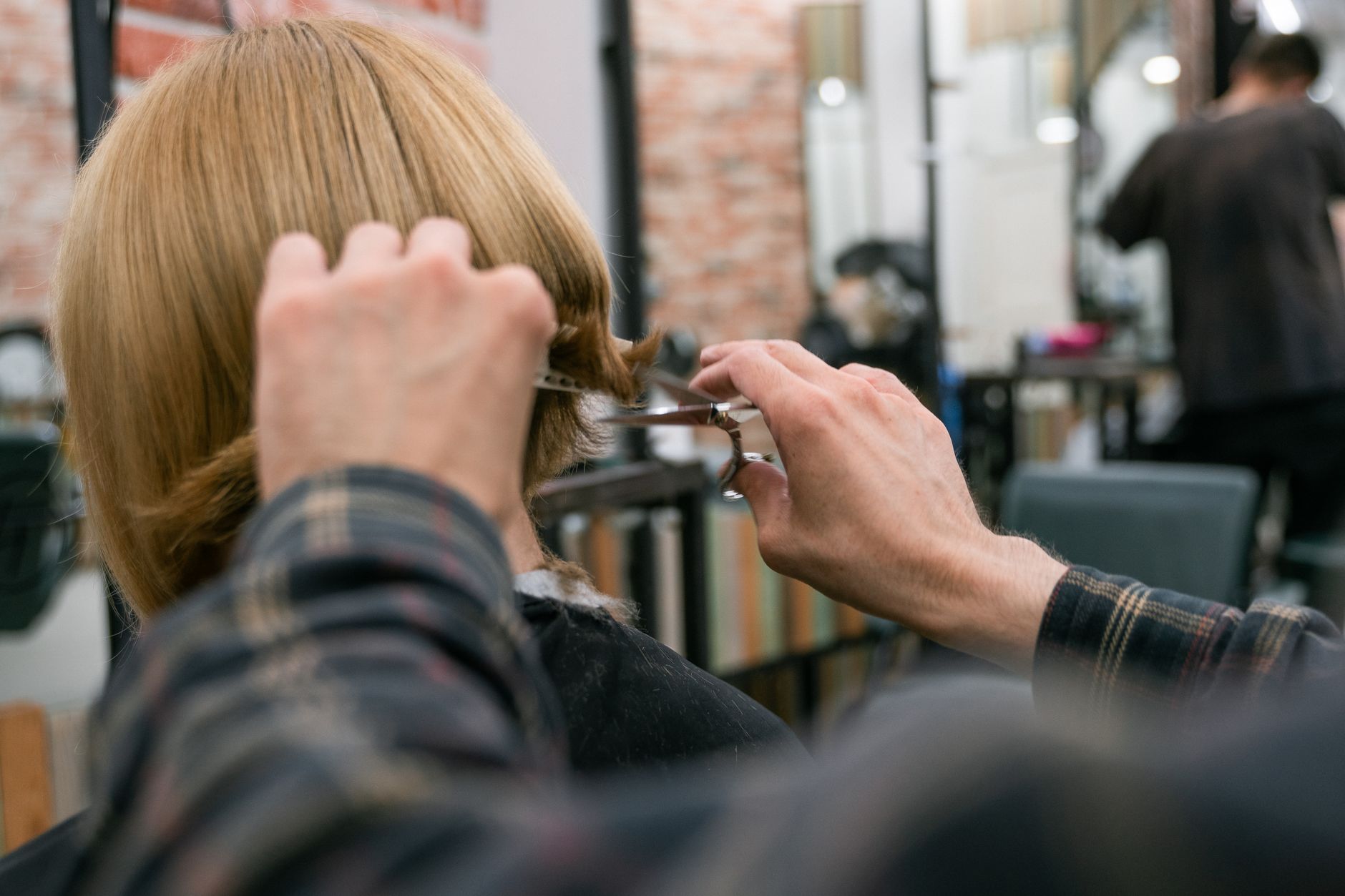
The shag haircut, with its distinct layered texture and retro vibes, has made a triumphant return to modern hairstyling. This iconic cut has morphed over the decades, adaptable to various lengths and hair types. If you are curious about what makes a shag haircut unique, how to rock it, and the various styles it encompasses, you’re in the right place.
In this article, we’ll explore the essence of a shag haircut, its variations, and tips for styling it to perfection. Whether your hair is straight, curly, or wavy, there’s a shag style for you. Let’s get started!
What Is a Shag Haircut?
A shag haircut is characterized by its choppy layers and textured finish, creating an effortlessly stylish look. Originally popularized in the 1970s, the shag has evolved to include modern adaptations that suit various face shapes and hair types. The core of the shag haircut lies in its layers, typically shorter at the crown and longer as you move down the hair. This cut adds volume, movement, and a laid-back vibe to any hairstyle.
History of the Shag Haircut
The shag haircut has its roots in the counterculture movement of the 1960s and 70s. Famous figures like David Bowie and Jane Fonda embraced the shag, echoing a sense of rebellion and self-expression. Over the years, the shag has reinvented itself, making appearances on runways and among Hollywood stars. The 90s saw the rise of a more refined shag, while today’s interpretations blend vintage inspiration with contemporary flair.
Key Features of a Shag Haircut
Understanding the defining features of a shag haircut can help you decide if it’s right for you. Here are some key elements:
- Layering: The hallmark of shag haircuts. Layers can vary in length and density, providing texture.
- Fringe: A shag often incorporates a fringe or bangs, which can be blunt, wispy, or curtain-style.
- Texture: The shag is all about a tousled, disheveled texture, which can be enhanced with styling products.
- Versatility: Suitable for various hair lengths, types, and textures, the shag can be customized to fit anyone.
Variations of the Shag Haircut
While the classic shag is iconic, there are numerous variations available to accommodate different aesthetics and hair types. Here are some popular shag haircut styles:
1. The Classic Shag
Typically shoulder-length with short layers on top, the classic shag offers a timeless look. It works well for fine to medium hair, creating volume without being too heavy.
2. Short Shag
This version features shorter layers that frame the face, often incorporating bangs. It’s a low-maintenance style, ideal for those looking for something edgy yet chic.
3. Long Shag
A long shag retains length while still incorporating the signature choppy layers. This style suits individuals with thick or wavy hair, providing movement without sacrificing length.
4. Textured Shag
This variation emphasizes texture through curl or wave manipulation. Products such as curl enhancers and sea salt sprays can help achieve that desired tousled look.
5. Modern Shag
This is a more refined approach to the classic shag, often with softer layers and longer fringes. It’s quite versatile and can fit both casual and formal settings.
6. Rocker Shag
The rocker shag is bold and dramatic, with sharply cut layers and a feathery finish. This style attracts attention, perfect for those wanting to make a statement.
Who Can Rock a Shag Haircut?
The shag haircut is incredibly versatile and can be tailored to suit different face shapes, hair types, and personal styles. Here’s how to determine if a shag is right for you:
- Face Shape: Shags look great on most face shapes, but specific styles may enhance certain features. For round faces, longer layers can elongate the look, while textured fringes can soften square jawlines.
- Hair Type: The shag works well with straight, wavy, and curly hair. Those with thick hair can benefit from the layers’ ability to remove bulk, while those with fine hair can achieve surging volume.
- Hair Condition: Healthy, well-maintained hair enhances the shag’s texture. Individuals with damaged or excessively dry hair may require some treatments before opting for this cut.
How to Style a Shag Haircut
Once you’ve chosen your desired shag style, styling it properly is crucial to achieving that effortless look. Here’s a step-by-step guide to styling your shag haircut:
Tools and Products You’ll Need:
- Heat protectant spray
- Texturizing spray or sea salt spray
- Hair mousse for volume
- Round brush (optional)
- Flat iron or curling wand (optional)
Step-by-Step Styling Instructions:
- Start with Clean Hair: Begin with freshly washed hair. Apply a heat protectant spray to shield your hair from styling heat.
- Add Volume: Apply a volumizing mousse to damp hair, focusing on the roots. This adds dimension and body to your style.
- Blow Drying (Optional): Use a round brush while blow-drying your hair for added volume and smoothness. Focus on lifting the roots while curling the ends slightly inward.
- Curl or Wave It: For added texture, use a flat iron or curling wand to create loose waves or curls. Remember not to create uniform curls—aim for a relaxed look.
- Texturize: Spray a texturizing or sea salt spray throughout your hair for that effortless, lived-in appearance.
- Finish with Hold: If desired, use a light-hold hairspray to maintain your look without stiffness.
Maintenance Tips for the Shag Haircut
To keep your shag haircut looking its best, follow these maintenance tips:
- Regular Trims: Schedule trims every 6-8 weeks to maintain the shape of your shag and prevent split ends.
- Deep Conditioning: Consider deep conditioning treatments to keep your hair healthy, especially if you use heat styling tools frequently.
- Choose Suitable Products: Opt for sulfate-free shampoos and thickening conditioners to maintain hair health and enhance volume.
- Avoid Over-Washing: Washing your hair too often can strip it of natural oils. Aim for 2-3 washes per week to keep your hair nourished.
Common Mistakes to Avoid
While styling a shag haircut, it’s essential to avoid certain pitfalls that can affect the overall look:
- Over-Styling: Avoid using excessive products or heat, which can leave your hair looking too stiff or damaged.
- Ignoring Face Shape: Choose a shag style that complements your features, and don’t hesitate to consult a professional stylist for tailored advice.
- Forgetting About Texture: Emphasizing texture is key. Use products aimed at enhancing thickness and waves.
Conclusion
The shag haircut is a versatile and stylish choice that can be adapted to fit various personal styles and hair types. With its layered texture, it offers an effortlessly chic way to express yourself. By understanding the different variations and styling techniques, anyone can rock a shag haircut confidently. So, are you ready to embrace the shag?
For more beauty tips, check out our guides on how to cut your own hair and how to style short hair. Each provides useful insights to help you on your beauty journey!