
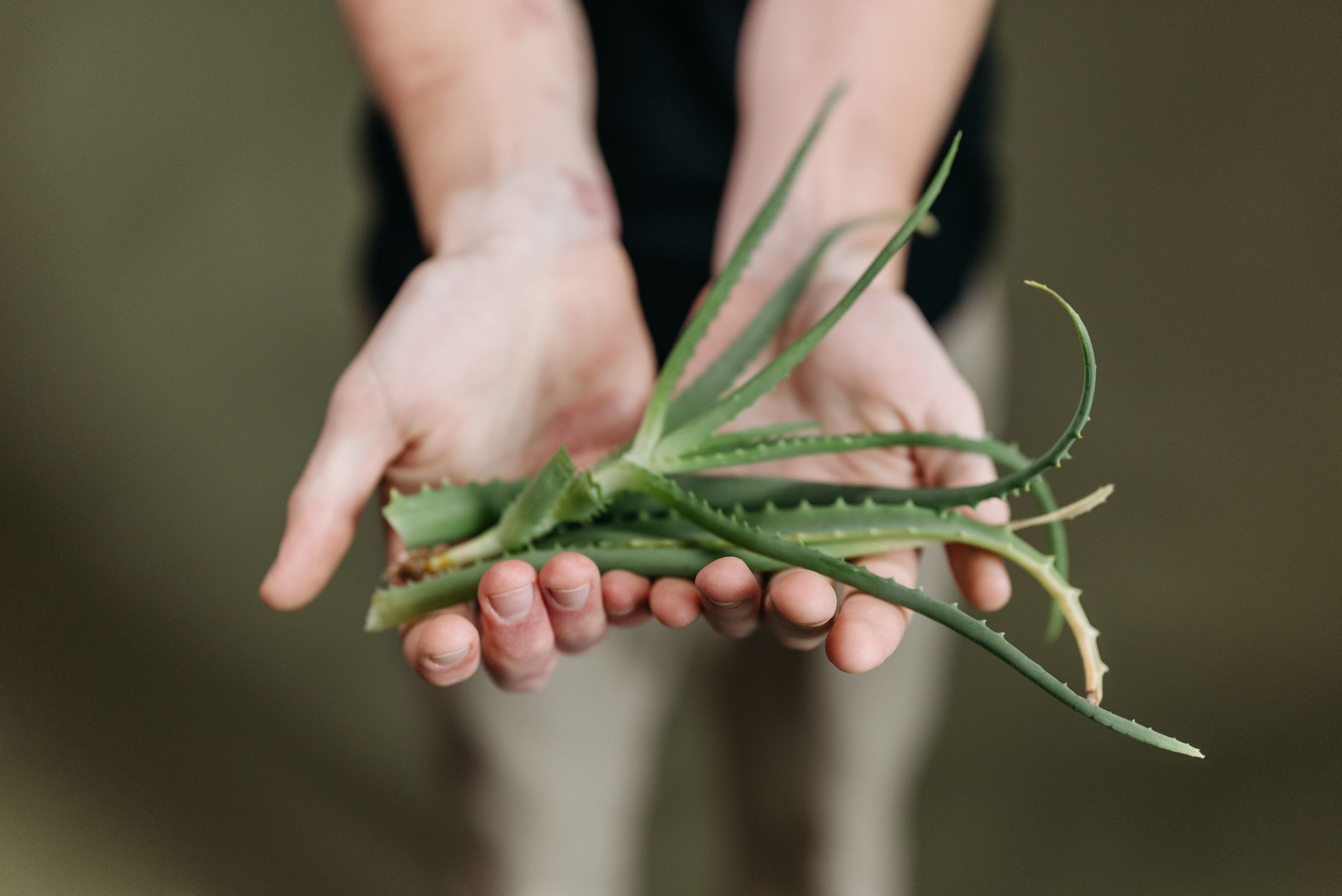
Aloe vera gel is a staple in many beauty routines, renowned for its soothing, hydrating, and healing properties. While this natural wonder has many advantages, it’s essential to understand its longevity and whether it expires. This article will clarify the expiration of aloe vera gel and offer valuable storage advice to maximize its effectiveness.
Many people are curious if aloe vera gel can go bad and, if so, how to determine when it’s time to toss it. Using expired products can lead to ineffective results or even skin irritation, so knowing how to store and identify signs of expiration is crucial.
Does Aloe Vera Gel Expire?
Yes, aloe vera gel can expire. Its shelf life varies based on the product formulation, packaging, and storage conditions. Typically, commercially produced aloe vera gel has a shelf life of 1 to 3 years, while fresh aloe vera gel extracted from the plant can last about a week when stored properly.
Understanding Aloe Vera Gel
Aloe vera gel comes from the succulent leaves of the aloe plant, which has been used for centuries in beauty and skincare. It contains vitamins, minerals, and antioxidants beneficial for skin health. The two main types of aloe vera gel are:
- Natural Aloe Vera Gel: Freshly extracted from aloe leaves. This type is more potent but has a shorter shelf life.
- Commercial Aloe Vera Gel: Processed and often contains preservatives to extend shelf life. This may include additional ingredients like thickeners or fragrances.
Shelf Life of Aloe Vera Gel
The shelf life of aloe vera gel can vary significantly based on its source and storage method. Here are the typical lifespans to keep in mind:
- Freshly Extracted Aloe Vera Gel: Lasts about 5 to 7 days when refrigerated. It is most potent during this time.
- Commercial Aloe Vera Gel (Unopened): Generally lasts 1 to 3 years, depending on the manufacturer and preservatives used. Check the expiration date on the packaging.
- Commercial Aloe Vera Gel (Opened): Once opened, it’s best to use it within 6 to 12 months for optimal effectiveness.
Signs that Aloe Vera Gel Has Expired
Using expired aloe vera gel can lead to adverse reactions. Here are the key signs to look for:
- Changes in Color: Fresh aloe vera gel is usually clear to pale green. If it turns dark or brown, it’s a sign of oxidation and spoilage.
- Unpleasant Odor: Fresh aloe vera gel has a mild and natural scent. A rancid or sour smell indicates that the gel has gone bad.
- Changes in Texture: If the gel becomes too watery or lumpy, it’s best to discard it.
- Mold Growth: Any signs of mold mean that it’s time to toss the product immediately.
How to Store Aloe Vera Gel
Proper storage of aloe vera gel is crucial to prolong its shelf life and maintain its effectiveness. Here are some practical storage tips:
- Refrigeration: For homemade or fresh aloe vera gel, always store it in the refrigerator. This keeps it cool and slows down degradation.
- Sealed Containers: Use airtight containers to minimize exposure to air, which can lead to oxidation.
- Avoid Heat and Sunlight: Store aloe vera gel in a cool, dark place, away from direct sunlight and heat sources.
- Check Expiry Dates: For commercial products, keep an eye on the expiration dates indicated on the packaging.
Ways to Extend the Shelf Life of Aloe Vera Gel
If you want to maximize the shelf life of your aloe vera gel, consider these practices:
- Use Preservatives: Natural preservatives, such as vitamin E oil or essential oils (like tea tree or lavender), can help inhibit bacterial growth in homemade gel.
- Freeze Aloe Vera Gel: Freeze small portions in an ice cube tray for longer storage. You can thaw it as needed for use.
- Limit Contamination: Always use clean utensils to scoop out the gel, reducing the risk of introducing bacteria.
Using Aloe Vera Gel in Your Beauty Routine
Aloe vera gel can be a versatile addition to your beauty routine. Here are different ways to incorporate it into skincare and haircare:
Skincare Applications
- Moisturizer: Apply aloe vera gel directly to the skin as a lightweight moisturizer.
- After-Sun Treatment: Use it to soothe sunburns and hydrate the skin after sun exposure.
- Face Mask: Combine with honey or yogurt for a hydrating face mask.
- Acne Treatment: Apply a thin layer to blemishes to help reduce inflammation and redness.
Haircare Applications
- Scalp Treatment: Massage aloe vera gel into the scalp for hydration and to soothe irritation.
- Conditioner: Use as a natural conditioner to add moisture and shine to hair.
- Styling Gel: Apply to damp hair as a natural styling gel to define curls or tame frizz.
Nail and Cuticle Care
Aloe vera gel can also be beneficial for nail care. Here’s how:
- Cuticle Moisturizer: Massage aloe vera gel into your cuticles for hydration and nourishment.
- Nail Strengthener: Apply to nails to help strengthen them and prevent breakage.
Common Mistakes to Avoid with Aloe Vera Gel
Using aloe vera gel may seem straightforward, but there are common pitfalls to watch for:
- Using Expired Products: Always check for expiration signs before application. Using expired aloe can lead to skin irritation.
- Overapplying: A little goes a long way. Applying too much can leave a sticky residue on the skin or hair.
- Ignoring Skin Compatibility: Test a small area before regular application, especially for sensitive skin types.
Conclusion
Aloe vera gel offers numerous benefits spanning skincare and haircare, but understanding its expiration and proper storage is vital. By storing it correctly and monitoring for signs of spoilage, you can make the most out of this incredible natural remedy. Whether using it to hydrate, soothe, or style, fresh aloe vera gel can be a fantastic addition to your beauty routine.
For further reading on maximizing the use of aloe vera and its benefits, consider exploring our guides on the benefits of aloe vera for your face and the expiration of aloe vera products.