
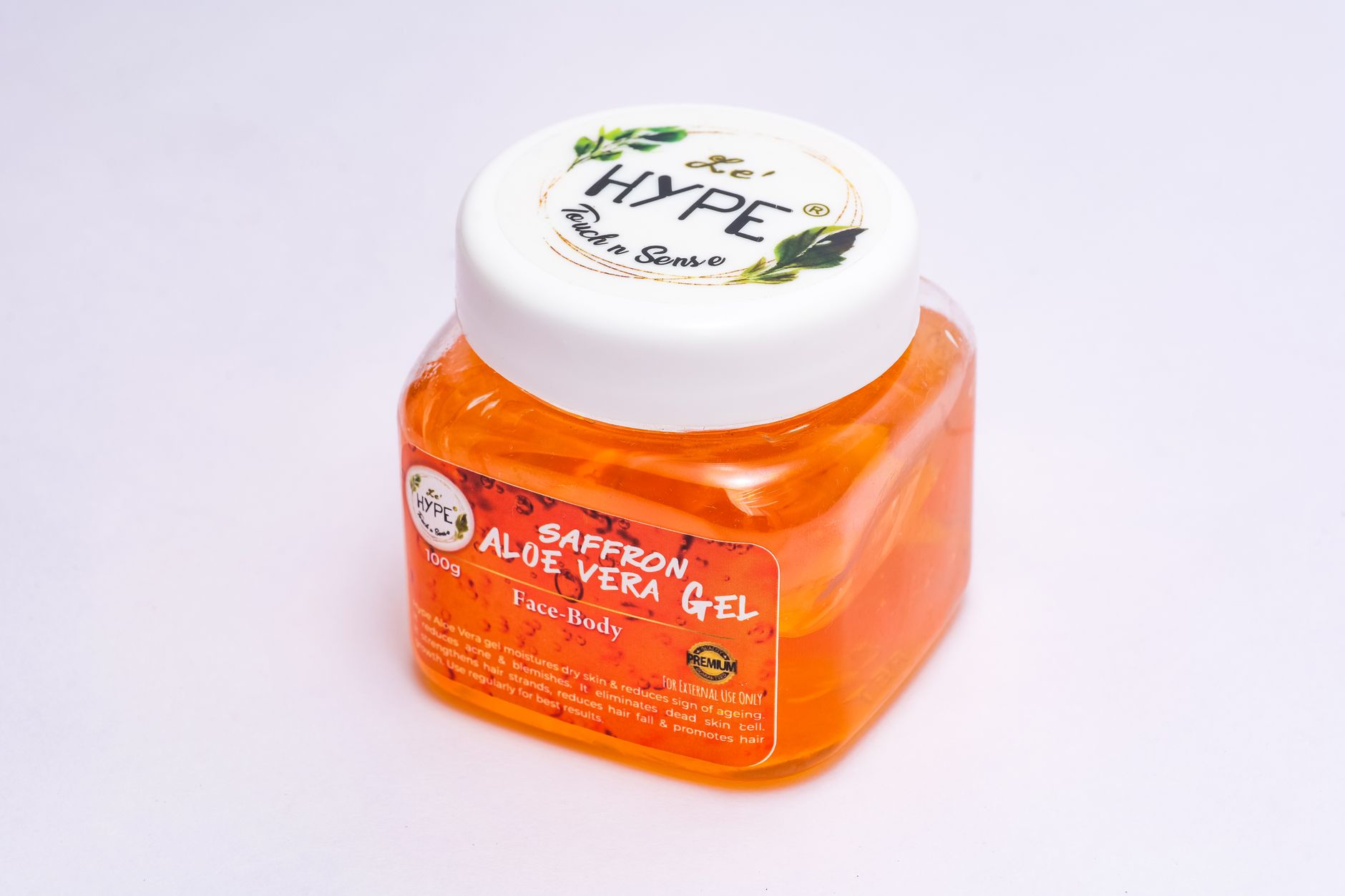
Aloe vera is often considered a go-to ingredient for many skincare enthusiasts, particularly for facial care. Known for its soothing and moisturizing properties, this succulent plant has garnered attention for its potential benefits for the skin. But how effective is aloe vera truly for your face?
This article delves into whether aloe vera is good for your face, examining its skin benefits, potential risks, and how to incorporate it effectively into your skincare routine.
Is Aloe Vera Good for Your Face?
Yes, aloe vera is generally considered good for your face due to its hydrating, soothing, and antioxidant properties. It can help to moisturize the skin, reduce inflammation, and soothe irritation. However, individual results may vary, and it’s essential to consider potential skin sensitivities.
What Are the Skin Benefits of Aloe Vera?
Aloe vera contains a wealth of beneficial compounds that contribute to its skincare properties. Here are some of the key benefits of using aloe vera on your face:
-
Hydration:
Aloe vera is primarily composed of water, making it an excellent natural moisturizer that can hydrate the skin without leaving a greasy feel. -
Soothing Irritation:
Thanks to its anti-inflammatory properties, aloe vera can provide relief from various skin irritations, including redness and sunburn. -
Healing Properties:
Aloe vera promotes wound healing, which can be beneficial for minor cuts or acne lesions. -
Antioxidant Effects:
This plant contains vitamins C and E, which help neutralize free radicals, potentially delaying skin aging. -
Reduces Acne:
The antibacterial properties of aloe can help combat acne-causing bacteria while reducing excess oil production. -
Improves Skin Tone:
Aloe vera can assist in the reduction of hyperpigmentation and dark spots, leading to a more even skin tone over time.
Hydration and Moisture Retention
The primary advantage of aloe vera is its impressive hydration potential. It can be particularly effective for those with dry or dehydrated skin types. Unlike heavy oils or creams that can feel occlusive, aloe vera provides moisture without weighing the skin down.
Soothing Properties for Sensitive Skin
If you have sensitive skin or are prone to irritation, aloe vera can be a beneficial addition to your skincare regimen. Its soothing nature makes it suitable for calming any redness or discomfort that may arise due to environmental factors or skin conditions.
Healing and Regeneration
Aloe vera has been traditionally used for wound healing and burns. The polysaccharides in aloe vera can aid in repairing skin and are known for their ability to enhance skin cell regeneration. This characteristic makes it excellent for healing acne spots or other minor blemishes.
How to Use Aloe Vera on Your Face
Incorporating aloe vera into your skincare routine can be easy and versatile. Here are various ways to use aloe vera effectively:
Pure Aloe Vera Gel
Using fresh aloe vera gel is one of the most straightforward methods. You can scoop the gel directly from the leaves of an aloe vera plant or purchase pure aloe vera gel from a store. Make sure to choose a product that’s free from additives or artificial ingredients.
- Cleanse your face with a gentle cleanser.
- Apply a thin layer of aloe vera gel directly onto your face.
- Allow it to seep into the skin for about 15-20 minutes and rinse with cool water.
- Use this method 2-3 times a week for best results.
Aloe Vera as a Moisturizer
You can use aloe vera as a lightweight moisturizer, especially during the warmer months when heavier creams can feel too greasy. Simply layer it on top of a hydrating serum for added moisture without feeling sticky.
Aloe Vera in Face Masks
Aloe vera can be combined with other natural ingredients to create nourishing face masks. Here’s a simple recipe:
- 2 tablespoons of aloe vera gel
- 1 tablespoon of honey (for added moisture)
- 1 teaspoon of lemon juice (for brightening)
Mix these ingredients and apply the mask to your clean face. Leave it on for 15-20 minutes, then rinse with lukewarm water. Use this mask once a week to enjoy its benefits.
Who Can Benefit from Aloe Vera?
Aloe vera is generally suited for a wide range of skin types. Here’s how different skin types can benefit:
-
Dry Skin:
Aloe vera provides hydration and moisture retention, making it an excellent choice for dry skin types looking for moisture without greasiness. -
Oily Skin:
Aloe vera can help regulate oil production and prevent breakouts, making it suitable for oily and acne-prone skin. -
Sensitive Skin:
Its soothing properties can alleviate redness and irritation, benefiting those with sensitive skin conditions. -
Combination Skin:
Aloe vera can balance the hydration levels, thus helping both dry and oily areas of combination skin.
Potential Risks and Precautions
While aloe vera is celebrated for its numerous benefits, it is vital to be aware of potential risks and sensitivities. Here are some considerations:
Allergic Reactions
Some individuals may experience allergic reactions to aloe vera. It is advisable to conduct a patch test before applying aloe vera gel to your face. Apply a small amount to an inconspicuous part of the skin, such as the inside of your wrist, and wait for 24 hours to check for any adverse reactions.
Skin Irritation
Although aloe vera is generally soothing, it may cause irritation in some individuals, especially if used in excess. Stick to suggested amounts and allow your skin to acclimate.
Quality of Aloe Vera Products
Not all aloe vera gels on the market are created equal. Be cautious of products containing preservatives, fragrances, or colorants that may irritate your skin. Look for pure, organic aloe vera gel or consider using fresh aloe from the plant.
Building an Effective Skincare Routine with Aloe Vera
To maximize the benefits of aloe vera while effectively caring for your skin, here’s a simple skincare routine incorporating aloe vera:
Morning Routine
- Start with a gentle cleanser to remove any overnight buildup.
- Apply a hydrating toner if desired.
- Use pure aloe vera gel as a moisturizer. Follow it up with a lightweight SPF.
Evening Routine
- Cleanse your face followed by an exfoliating treatment 1-2 times a week.
- Apply a nourishing serum (optional).
- Follow with aloe vera gel or a cream containing aloe to lock in moisture overnight.
Common Mistakes to Avoid
Here are a few common mistakes to steer clear of when using aloe vera:
- Using products with added chemicals that may counteract aloe’s benefits.
- Overusing aloe vera, which can lead to irritation instead of hydrating effects.
- Neglecting to patch test before widespread use.
Realistic Expectations: What to Expect
While aloe vera can provide various skin benefits, it’s essential to have realistic expectations. While some people may see improvement in their skin’s appearance within a few days, others might need weeks of consistent use to notice changes. It’s also crucial to keep in mind that results can vary based on individual skin type and concerns.
Alternative Ingredients for Facial Care
If you’re exploring options beyond aloe vera, there are several other beneficial ingredients you can consider for your facial care routine:
- Hyaluronic Acid: Excellent for hydration, attracting moisture to your skin and keeping it plump.
- Niacinamide: Known for its ability to improve skin barrier function and brighten skin tone.
- Salicylic Acid: Effective for acne-prone skin as it helps to clear pores and prevent breakouts.
- Vitamin C: An antioxidant that brightens skin and protects against environmental stressors.
These ingredients can be seamlessly integrated with aloe vera for enhanced skincare results.
Conclusion
Aloe vera can be an excellent addition to your facial skincare routine, offering hydration, soothing, and healing properties. However, it’s essential to use it correctly and be mindful of any sensitivities. Start with a patch test, incorporate it gradually, and combine it with other beneficial ingredients for a well-rounded approach to skin care.
For those seeking to tackle specific skin concerns, detailed routines like how to treat dry skin on your face or techniques on how to exfoliate your face can enhance your skincare strategy. Explore these guides to develop a skincare regimen that works best for you.