
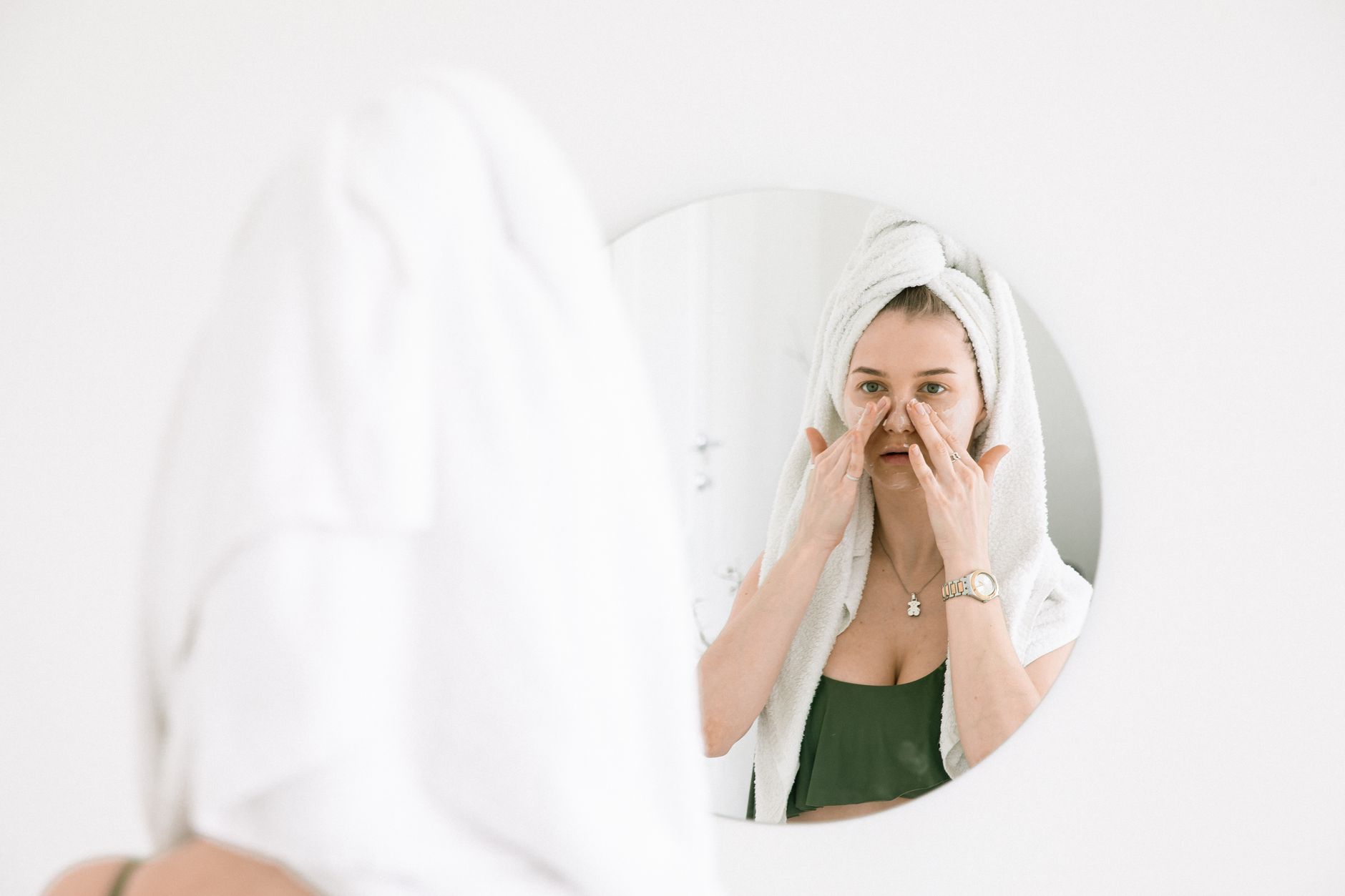
Beauty is a multifaceted concept that varies widely across cultures and eras, encompassing aspects of aesthetics, personal expression, and even emotional well-being. Understanding beauty involves examining its meaning, history, and the ideals that shape our perceptions.
In this article, we’ll delve into the essence of beauty, explore its historical context, and discuss contemporary beauty ideals. By gaining a deeper insight into these elements, you can cultivate a more enriching perspective on your own beauty journey.
What Is Beauty?
Beauty can be defined as a quality that pleases the senses, often characterized by attributes associated with harmony, balance, and proportions. This appeal can manifest in various forms, including physical appearances, art, nature, and personality traits. Ultimately, beauty extends beyond mere aesthetics to embrace individual experiences and cultural significance.
The Evolution of Beauty
Beauty is not a static concept; it has evolved throughout history, influenced by societal norms, cultural shifts, and technological advancements. These evolutions can be broken down into various eras and significant milestones.
Ancient Civilizations
In ancient civilizations, beauty standards were often linked to health, fertility, and wealth. The Egyptians, for example, placed great emphasis on eye makeup, using kohl to define the eyes and protect against the sun’s glare. Their ideals of beauty were also reflected in their art, showcasing slender bodies and symmetrical faces.
Classical Antiquity
The Greeks and Romans idealized athleticism and physical perfection, producing sculptures that epitomized the symmetrical beauty of the human body. Philosophers like Plato suggested that beauty was not just an external quality, but a reflection of inner virtues and moral values.
The Middle Ages and the Renaissance
During the Middle Ages, beauty changed significantly with a focus on modesty and morality. Luminous skin and demure attire became desirable, while the Renaissance brought a revival of classical beauty ideals. Artists like Botticelli emphasized natural beauty, showcasing women with soft features and flowing hair.
The Victorian Era to the Modern Age
The Victorian era saw heightened beauty standards that emphasized modesty and femininity, often favoring women with lighter skin and curvier figures. Conversely, the 20th century introduced radical shifts with the emergence of Hollywood, leading to new beauty ideals driven by celebrity culture. The ideals were further challenged through movements like feminism, which celebrated diversity in beauty.
Contemporary Beauty Ideals
Today, beauty ideals are more inclusive, celebrating diverse skin tones, body types, and personal styles. While some standards persist, including an emphasis on flawless skin, there is a growing recognition of the beauty inherent in uniqueness.
The Influence of Social Media
Social media plays a crucial role in shaping contemporary beauty standards. Platforms like Instagram and TikTok have made it possible for diverse voices to share their definitions of beauty. These platforms have also contributed to the rise of beauty influencers who promote authenticity and self-expression over conventional standards.
Diversity and Inclusivity
Modern beauty ideals increasingly reflect a broader spectrum of representation. Brands that once catered to narrow beauty standards are now focusing on inclusivity, offering a range of products that accommodate varying skin types, textures, and shades. This shift is empowering individuals to embrace their natural beauty rather than conforming to a singular ideal.
Sustainability in Beauty
Another essential aspect of contemporary beauty is the burgeoning emphasis on sustainability and ethical practices. Consumers are increasingly aware of the impact of their beauty choices and are gravitating towards brands that prioritize eco-friendly packaging and cruelty-free ingredients.
Understanding Different Beauty Aspects
Understanding beauty involves looking beyond the surface. Here’s a closer examination of different components that contribute to our perception of beauty.
Physical Beauty
Physical beauty is often the most recognized aspect. This includes facial symmetry, skin health, and body shape, which are frequently depicted in media and advertising. However, it’s vital to acknowledge that everyone has their unique attributes, and beauty is subjective and personal.
Inner Beauty
Inner beauty refers to qualities like kindness, compassion, and confidence. It plays a crucial role in how people perceive us and how we perceive ourselves. Developing inner beauty can enhance overall well-being and positively impact how we interact with others.
Cultural Beauty
Cultural influences can significantly affect beauty standards. Different cultures celebrate distinct ideals, traditions, and symbolism that inform their beauty practices. For instance, indigenous beauty rituals focus on natural ingredients and holistic approaches, offering an enriching perspective on beauty.
Beauty as Art
Beauty transcends individual appearances and extends into the realm of art. Visual aesthetics, music, and literature can evoke a sense of beauty that varies dramatically across cultures and personal experiences. Appreciate the beauty of expression through various forms of creativity.
Reflecting on Your Beauty Journey
Understanding the multifaceted nature of beauty can empower you to embark on your beauty journey with confidence and authenticity. Here are some practical steps to help you navigate this exciting exploration.
Step 1: Embrace Your Uniqueness
- Acknowledge your unique features and traits.
- Recognize that beauty standards evolve and differ from person to person.
- Practice self-love by celebrating what makes you, you.
Step 2: Explore Personal Expression
- Experiment with different beauty products and techniques.
- Find your personal style through makeup, hair, and fashion that resonates with you.
- Consider art forms like photography or drawing to express what beauty means to you.
Step 3: Cultivate Inner Beauty
- Engage in activities that promote self-care and mental well-being.
- Practice mindfulness or meditation to build self-awareness and acceptance.
- Surround yourself with positive influences that reinforce self-esteem.
Step 4: Stay Informed
- Educate yourself about the beauty industry and its ongoing changes.
- Follow diverse voices and influencers who promote various beauty standards.
- Challenge conventional standards by supporting inclusivity across the industry.
Step 5: Opt for Sustainable Choices
- Seek brands that practice sustainability and ethical sourcing.
- Minimize waste by opting for multi-use products and eco-friendly packaging.
- Get involved in local initiatives promoting environmental consciousness.
Common Missteps in Beauty Perception
As you navigate your beauty journey, being aware of common missteps can help you develop a healthier perspective. Here are some pitfalls to avoid:
- Comparing yourself to others: Everyone has their unique beauty journey.
- Adhering strictly to trends: Trends are often fleeting; focus on what feels right for you.
- Over-relying on products: While products can enhance beauty, self-acceptance is key.
- Ignoring mental and emotional well-being: Beauty often shines through confidence and positivity.
Finding Your Beauty Routine
Cultivating a beauty routine tailored to your individual needs can enhance your self-care practices. Here’s how to build a routine that feels authentic and nourishing.
1. Determine Your Goals
Identify what aspects of beauty you wish to enhance. Do you want to focus on skincare for a healthy glow, experiment with makeup techniques, or explore hairstyles?
2. Assess Your Skin Type and Concerns
Understanding your skin type is crucial for selecting suitable products. Here are common skin types:
- Oily: Prone to excess shine and clogged pores.
- Dry: May feel tight or flaky.
- Combination: Exhibits both oily and dry areas.
- Sensitive: May react to certain products or environmental factors.
- Normal: Balanced skin without significant issues.
3. Build a Basic Skincare Routine
A basic skincare routine generally consists of three steps:
- Cleansing: Use a gentle cleanser suited for your skin type.
- Toning: Apply a toner to balance skin’s pH and prep for other products.
- Moisturizing: Choose a moisturizer that hydrates your skin without clogging pores.
4. Incorporate Additional Treatments
- Consider serums or treatments for specific concerns like acne, pigmentation, or aging.
- Use masks or exfoliants weekly to enhance skin texture.
- Don’t forget sunscreen during the day to protect against UV damage.
5. Explore Makeup Options
- Start with a few essential products: foundation or tinted moisturizer, mascara, lipstick.
- Experiment with colors and techniques that elevate your style.
- Invest in quality tools like brushes or sponges for a polished finish.
Conclusion
Beauty is a vast and ever-changing concept shaped by history, culture, and personal experiences. Embracing both physical and inner beauty can lead to a more fulfilling self-perception and a deeper connection with others. By understanding beauty’s diverse landscape, you’re equipped to define it on your own terms.
To further enrich your beauty journey, consider exploring related beauty guides, routines, or tutorials, such as learning more about Botox and its uses, or understanding keratin, a crucial protein in hair care.