
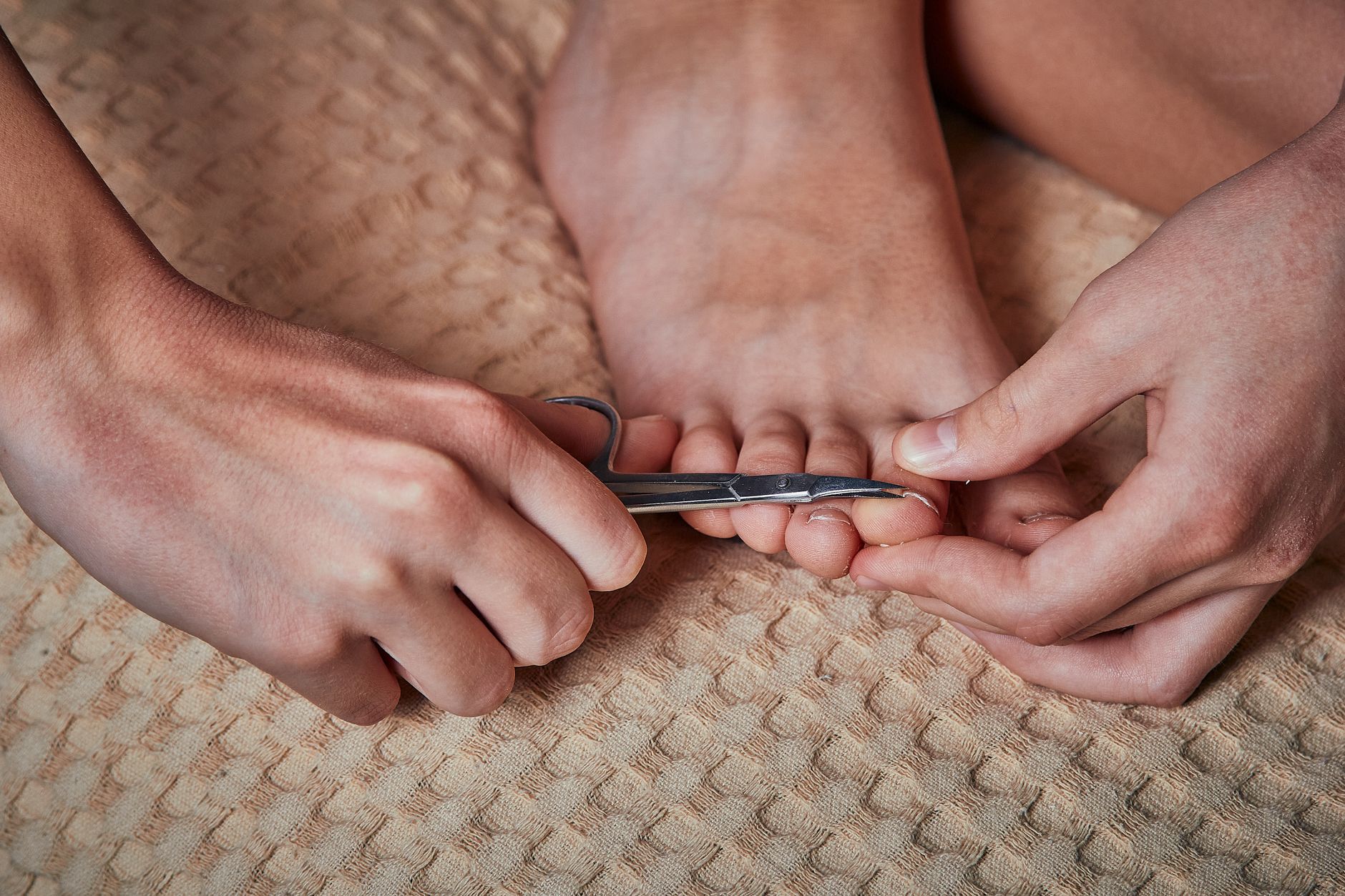
Ingrown toenails can be uncomfortable and even painful, disrupting your daily activities. This condition occurs when the edge of the toenail grows into the surrounding skin, leading to inflammation and potential infection. Understanding how to care for and treat ingrown toenails can help you regain comfort and prevent further issues.
In this article, we will discuss effective methods to get rid of an ingrown toenail, home remedies, preventive measures, and when it’s important to seek professional help. Whether you’re experiencing your first ingrown toenail or have dealt with them before, this guide aims to provide you with practical and helpful information.
How to Get Rid of an Ingrown Toenail?
To effectively address an ingrown toenail, you can follow a combination of home remedies and proper foot care techniques. However, it’s crucial to identify symptoms early and determine when professional intervention might be necessary. Let’s explore the steps you can take.
Recognizing the Symptoms of an Ingrown Toenail
Before we delve into treatments, it’s important to recognize the signs of an ingrown toenail:
- Redness and swelling around the toenail.
- Pain or tenderness along the side of the nail.
- Discharge of fluid or pus if an infection develops.
- Thickened skin over the toe.
If you’re experiencing these symptoms, your toenail may be ingrown. Ensure to evaluate the severity so that you can choose the appropriate treatment.
Home Remedies to Relieve Ingrown Toenail Pain
For mild cases, several home remedies can relieve symptoms and promote healing:
1. Soaking Your Feet
Soaking your feet in warm, soapy water can help reduce swelling and soften the skin around the ingrown toenail. Follow these steps:
- Fill a basin with warm water and add a mild soap.
- Soak your affected foot for 15-20 minutes, ideally twice daily.
- Pat your foot dry gently after soaking.
2. Use of Antiseptic
After soaking, you can apply an antiseptic solution to the area to prevent infection. Options include:
- Hydrogen peroxide
- Iodine solution
- Antibiotic ointment
Be sure to keep the area clean to promote healing.
3. Lifting the Nail
If the corner of the nail is embedded in the skin, gently lifting it can provide relief. Here’s how:
- Carefully use a sterilized tool, such as a nail file, to lift the edge of the nail.
- Place a small piece of cotton or dental floss underneath the nail to keep it elevated.
- Change this cotton daily and keep it clean.
4. Pain Management
If you’re experiencing significant discomfort, over-the-counter pain relievers such as ibuprofen or acetaminophen can help manage pain. Always follow the recommended dosage on the label.
Preventive Techniques
Once you’ve addressed an existing ingrown toenail, it’s wise to implement preventive techniques to avoid recurrence:
- Trim your toenails straight across to prevent corners from digging into the skin.
- Avoid cutting nails too short.
- Wear well-fitting shoes that provide ample room for your toes.
- Maintain foot hygiene by regularly washing and drying your feet.
When to Seek Help
While many ingrown toenails can be resolved at home, certain situations warrant professional medical attention:
- Severe pain and swelling that does not improve with home care.
- Signs of infection, such as pus, increasing redness, or a fever.
- Recurring ingrown toenails despite implementing preventive measures.
- If you have medical conditions such as diabetes or peripheral vascular disease, which can complicate foot problems.
Medical Treatments for Ingrown Toenails
If you choose to seek help, healthcare professionals can offer various treatment options depending on the severity of your case:
1. Partial Nail Removal
For a severe ingrown toenail, a podiatrist might recommend partial nail removal. This procedure involves removing the part of the nail that is causing discomfort. Local anesthesia is usually administered to minimize pain during the process.
2. Antibiotic Prescription
If an infection is present, a healthcare provider may prescribe antibiotics to combat the infection. It’s essential to complete the full course even if symptoms improve.
3. Nail Bracing
In some cases, a podiatrist may use nail bracing techniques to help guide the nail to grow correctly. This can be beneficial for individuals prone to recurring ingrown toenails.
Management Tips after Treatment
Following any medical treatment for an ingrown toenail, adhere to the following guidelines:
- Keep the affected area clean and dry.
- Follow all post-treatment care instructions provided by your healthcare professional.
- Avoid tight footwear during the healing process.
- Monitor the area for any signs of re-infection or complications.
Understanding the Healing Process
Realistically, it may take several weeks for an ingrown toenail to heal fully, especially if there was an infection. Here’s what you can expect during the healing process:
- Gradual reduction in redness and swelling as the nail grows out.
- Decreased pain if the pressure is relieved and treatment is effective.
- Monitor progress regularly; seek additional medical care if necessary.
Patience is key; do not rush the healing process, as this can lead to recurrence.
Addressing Common Questions About Ingrown Toenails
If you’re still unsure about how to handle an ingrown toenail, let’s address some common questions:
Is an ingrown toenail dangerous?
Most ingrown toenails are not dangerous, but if you have pre-existing health conditions, they can become serious if left untreated.
Can I still engage in physical activities?
While minor activity may be possible, it’s advisable to avoid rigorous exercises or activities that put pressure on the foot until the ingrown toenail has healed.
How do I determine if my condition is worsening?
Worsening conditions may present increased pain, swelling, or pus. If you notice any of these signs, consult with a healthcare provider promptly.
Conclusion
Ingrown toenails can be a nuisance, but with proper care and preventive measures, they can often be treated effectively at home. Understanding the signs, taking timely action, and recognizing when to seek professional help can go a long way in ensuring healthy feet. Make sure to prioritize foot hygiene and nail care to minimize the risk of future occurrences. If you face persistent issues, consult with a qualified professional for best outcomes.
If you found this article helpful, you might also enjoy our guides on removing gel nail polish and removing nail glue from skin. Explore more to enhance your nail and foot care routine!