
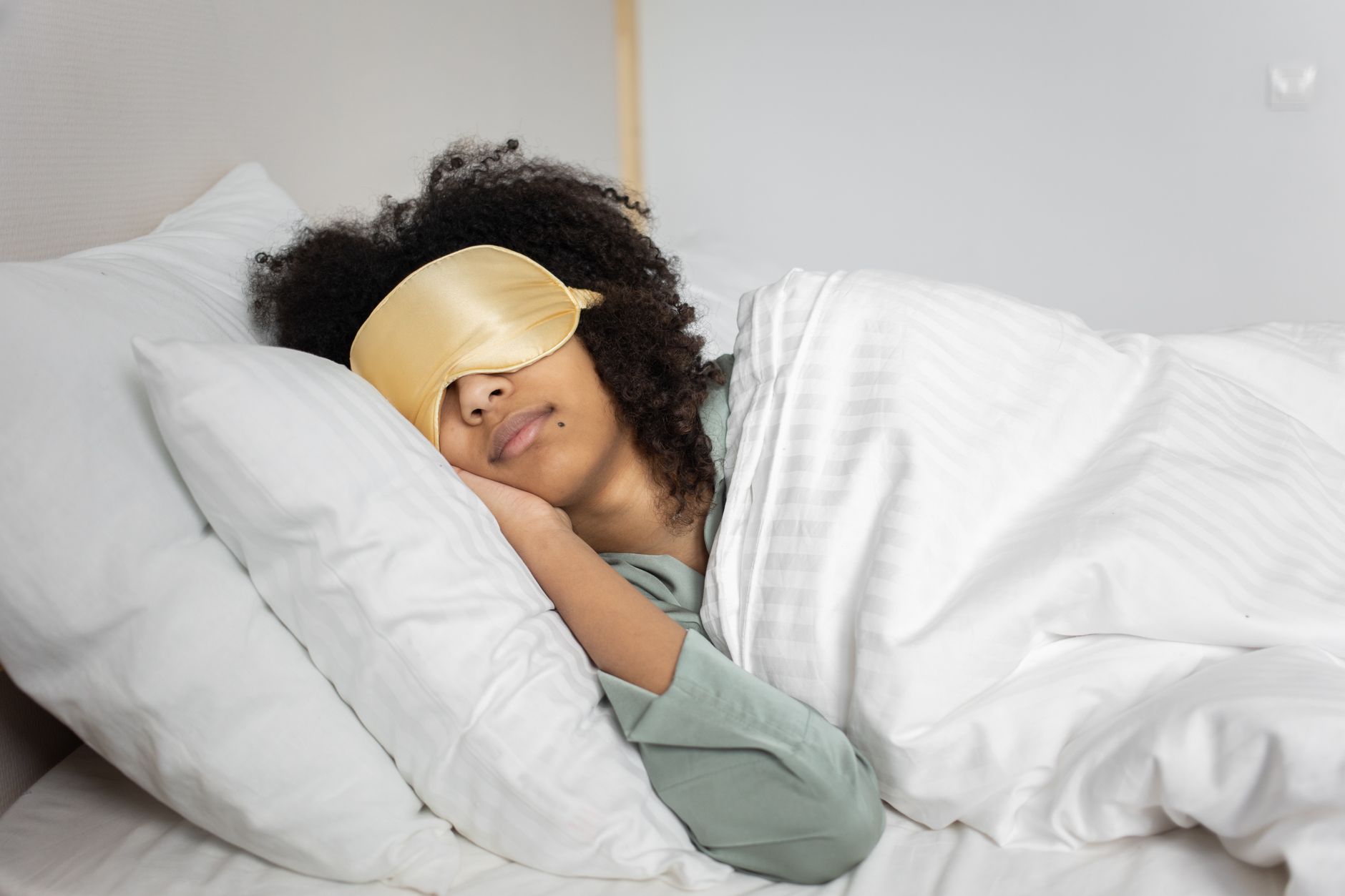
When it comes to maintaining the health and appearance of your hair, a hair bonnet is an often-overlooked accessory. While its primary function is to protect your hair while you sleep, the advantages of using a bonnet extend far beyond that. Understanding what a bonnet does can significantly enhance your hair care routine and contribute to the longevity of your hairstyles.
This article will cover the benefits of hair bonnets, the types available, tips for using them effectively, and how incorporating a bonnet into your hair care routine can lead to stunning and healthy locks.
What Does a Hair Bonnet Do?
A hair bonnet serves to protect your hair from a variety of potential damages while you sleep. It acts as a barrier between your hair and whatever surface it comes into contact with, helping to reduce friction. This can result in decreased breakage, frizz, and tangling. Additionally, bonnets can help retain moisture, an essential factor in maintaining vibrant and healthy hair.
Benefits of Using a Hair Bonnet
Choosing to wear a bonnet can provide numerous benefits for different hair types and textures. Here are some key advantages:
- Reduced Friction: Sleeping on a cotton pillowcase can create friction, leading to breakage and frizziness. A bonnet, particularly those made from silk or satin, can help mitigate this issue.
- Moisture Retention: Unlike cotton, which can absorb moisture, silk and satin materials help keep your hair hydrated. This is especially important for those with dry or textured hair types.
- Minimized Split Ends: By reducing friction and moisture loss, a bonnet can help prevent split ends, allowing your hair to retain its length and health.
- Enhanced Styling Longevity: If you’ve just styled your hair, wearing a bonnet can help maintain your style for longer periods, whether you have curls, braids, or straightened hair.
- Heat and Chemical Damage Protection: Prevents exposure to elements and scenarios, such as heat from a heated pillow or harsh chemical products that might be on bed linens.
Types of Hair Bonnets
It’s important to recognize that bonnets come in various types and materials, each functioning slightly differently to cater to particular needs.
1. Silk Bonnets
Silk bonnets are favored for their luxurious feel and ability to retain moisture. They provide an excellent barrier against friction and prevent hair from drying out overnight. Additionally, the smooth surface of silk can help minimize tangling and friction.
2. Satin Bonnets
Satin bonnets offer similar benefits to silk but are typically more affordable. They work well for preventing moisture loss and reducing breakage, making them a popular choice for many individuals.
3. Cotton Bonnets
Cotton bonnets are less common due to their moisture-absorbing qualities. However, they may be suitable for specific hair types or situations, such as protecting styled hair during the day.
How to Choose the Right Hair Bonnet
Selecting the right hair bonnet can greatly impact the results you experience. Here are some tips to help you find the perfect one:
- Consider your hair type: If you have curly or textured hair, silk or satin may be the best choices to maintain hydration and minimize frizz.
- Size Matters: Ensure the bonnet is spacious enough to accommodate your hairstyle, especially if you have thick or long hair.
- Adjustable Features: Look for bonnets with adjustable straps or elastic bands for a comfortable fit that can stay in place throughout the night.
- Durability: Choose a material that can withstand regular use and washing without losing its effectiveness or becoming damaged.
Tips for Using a Hair Bonnet
To maximize the benefits of wearing a bonnet, consider these helpful tips:
- Prep Your Hair: Before putting on your bonnet, ensure your hair is clean and conditioned. Consider applying a light leave-in conditioner or hair oil to enhance moisture retention.
- Secure Your Style: If you have a particular hairstyle, get it into a protective style (like braids or twists) to prevent tangling before putting on the bonnet.
- Put It On Correctly: Place the bonnet on your head, ensuring it’s snug but not too tight. Adjust as necessary to cover all your hair.
- Clean Your Bonnet Regularly: To prevent the buildup of oils and dirt, wash your bonnet every few uses based on how often you wear it.
- Store It Properly: Keep the bonnet in a clean, dry place to prevent it from collecting dust or dirt when not in use.
Common Mistakes When Using a Hair Bonnet
Even with the best intentions, it’s easy to make mistakes when using a hair bonnet. Here are a few things to avoid:
- Skipping the Bonnet: Not wearing a bonnet regularly can lead to unnecessary hair damage. Make it part of your nightly routine.
- Poor Fit: If the bonnet is too tight, it can cause headaches and may even lead to breakage or thinning hair around the hairline. A roomy and adjustable bonnet is crucial.
- Using the Wrong Material: Avoid cotton bonnets, which can contribute to moisture loss. Stick with silk or satin materials for the best results.
- Neglecting Hair Care: A bonnet alone won’t solve hair issues. Maintain a well-rounded hair care regimen that includes proper washing, conditioning, and moisturizing.
How to Maintain Healthy Hair with a Bonnet
A bonnet is just one tool in your hair care toolkit. To further promote healthy hair, here are additional practices to adopt:
- Hydrate: Drink plenty of water and consume a balanced diet rich in vitamins and nutrients that support hair health.
- Use Appropriate Hair Products: Choose shampoos, conditioners, and treatments suitable for your hair type (e.g., moisturizing products for dry hair).
- Avoid Excessive Heat: Minimize the use of hot styling tools whenever possible, as heat can damage hair and lead to dryness.
- Regular Trims: Schedule regular haircuts or trims to eliminate split ends and keep your hair looking fresh.
- Protect from Environmental Factors: Covering your hair when exposed to the sun or harsh weather can help mitigate damage.
Integrating Bonnets into Your Beauty Routine
To get the best out of your hair bonnet, consider how it fits into your overall beauty routine. Here is a simple guide to integrating it effectively:
- Nightly Routine: After cleansing and moisturizing your hair, place your bonnet on right before bed.
- Weekly Deep Conditioning: Choose one night a week to deep condition your hair before putting on the bonnet to lock in moisture overnight.
- Staying Stylish: You can wear your bonnet during the day while doing tasks at home to maintain your style without losing moisture.
- Travel Essential: Always pack your bonnet when traveling to keep your hair protected in unfamiliar sleeping conditions.
Conclusion
Using a hair bonnet is an effective way to protect your hair while you sleep, helping to minimize breakage, maintain moisture, and prolong your hairstyles. By selecting the right type of bonnet and incorporating it into your hair care routine, you can foster healthier hair and improve your overall appearance. So, make the simple addition of a hair bonnet to your nightly regime, and watch your hair thrive.
For more tips on hair care, check out our guides on how to wear a bonnet and how to protect hair from the sun.