
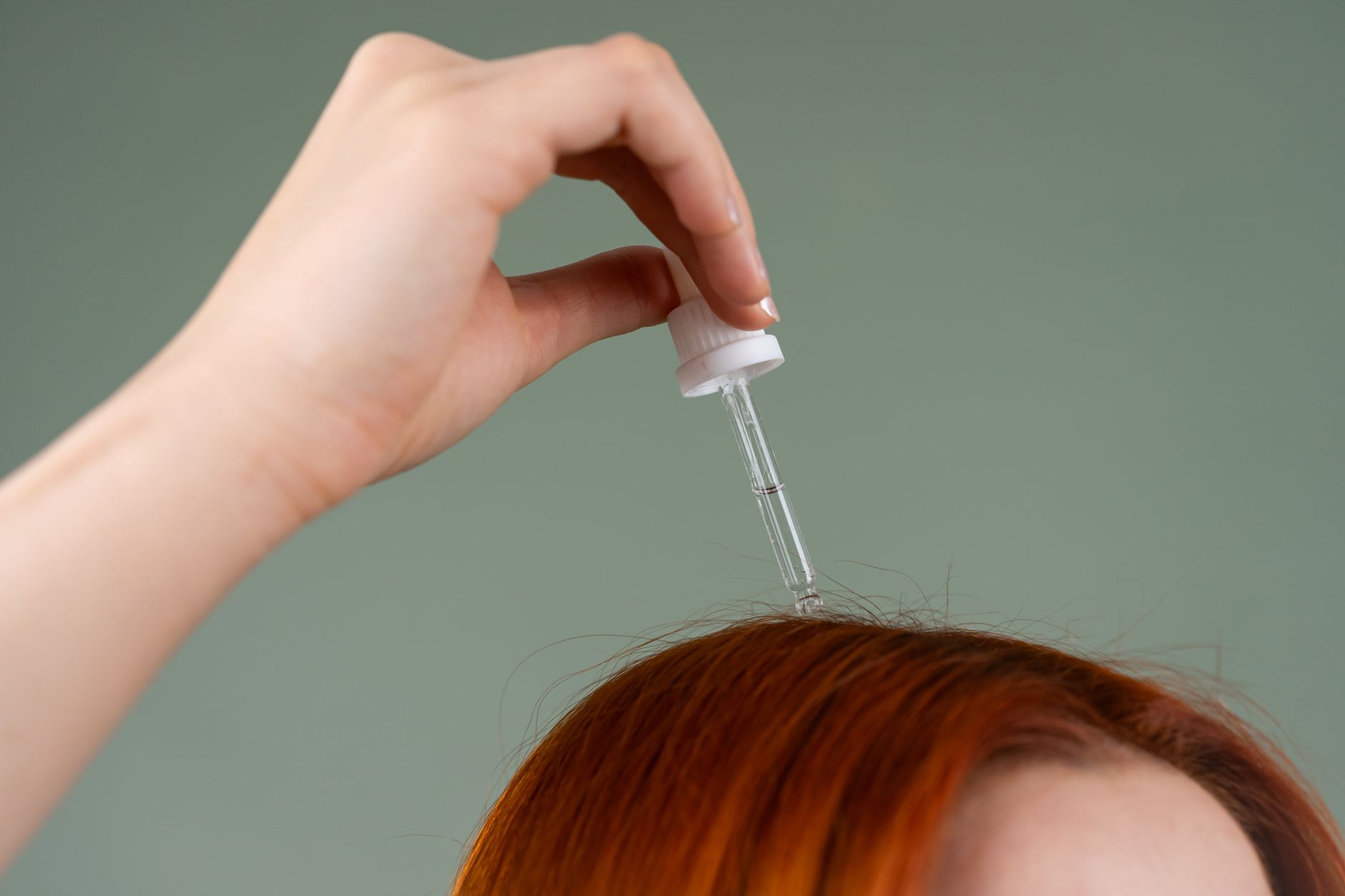
Toner is a term often associated with skincare, but it has also made its way into the world of haircare. Many people wonder, “Does toner damage hair?” Understanding how hair toner works, its purpose, and the potential effects on hair health is essential for anyone contemplating using it. In this article, we’ll delve into the details, shedding light on what toner does and how it interacts with hair.
Whether you’re a seasoned stylist or a novice in the world of hair color, knowing whether toner is safe for your hair is crucial. We’ll cover the mechanics of toner, the various types available, how to use them responsibly, plus tips on maintaining healthy hair.
Does Toner Damage Hair?
In short, toner does not inherently damage hair when used correctly. Instead, it enhances your hair’s color and adjusts its tone. However, misuse or overuse can lead to dryness and other issues. The key is understanding how toner works and how to incorporate it into your haircare routine without causing damage.
What Is Hair Toner?
Hair toner is a semi-permanent color treatment designed to alter or enhance the color of your hair. It balances the tones of previously dyed hair, neutralizing unwanted brassiness or yellowing often seen in blonde and lightened shades. Toners can also enhance natural hair color by refreshing dull tones.
Types of Hair Toner
- Purple Toner: Excellent for neutralizing yellow tones, often used for blonde and gray hair.
- Blue Toner: Effective for counteracting orange tones, suitable for brunettes and darker blondes.
- Green Toner: Rarely used, but can help neutralize red tones in some cases.
How Does Toner Work?
Hair toner works by utilizing color theory principles. It introduces specific pigments that counteract unwanted hues. When applied to hair, these pigments interact with the hair’s existing color to shift its overall appearance.
For example, if your hair has developed a brassy or yellowish hue, a purple toner can effectively neutralize these tones due to its color wheel relationship; purple cancels yellow. This can create a more polished and balanced shade.
Benefits of Using Toner
Using toner comes with various benefits that can significantly improve your hair’s overall appearance and health. Some of the key advantages include:
- Reduces brassiness and unwanted tones.
- Enhances and refreshes the vibrancy of your hair color.
- Can add shine and depth to your hair.
- Is less damaging compared to permanent hair dyes due to its semi-permanent nature.
Can Toner Damage Hair?
While toner does provide valuable benefits, there are scenarios where it can potentially harm your hair. Understanding these risks can help mitigate damage and lead to healthier hair.
Potential Risks of Hair Toner
- Overuse: Using toner too frequently can lead to dryness. Toners typically contain ammonia or other chemicals that may strip moisture from the hair.
- Improper Application: Failing to follow instructions or leaving the toner on for too long can yield unwanted results, including hair that may feel brittle or look dull.
- Allergic Reactions: Some people may be sensitive to the ingredients in hair toners, leading to scalp irritation or allergic reactions.
How to Use Hair Toner Correctly
Using toner effectively is crucial for maintaining hair health. Below are guidelines to ensure you maximize the benefits while minimizing risks:
Preparation Steps
- Choose the Right Toner: Assess your hair’s current color and determine whether you need a purple or blue toner.
- Perform a Patch Test: Conduct a patch test 48 hours prior to application to rule out allergies or sensitivities.
- Gather Your Tools: You’ll need gloves, a mixing bowl, an applicator brush, and a wide-tooth comb.
Application Process
- Start with clean, dry hair. Lightly mist with water if you prefer a more diluted application.
- Mix the toner according to the instructions provided with the product.
- Section your hair into manageable parts to ensure even application.
- Using the applicator brush, apply the toner evenly to your hair, focusing on the areas where brassiness is more pronounced.
- Follow the recommended processing time, usually between 10 to 30 minutes, depending on the desired intensity.
- Rinse thoroughly with cool water, then follow with a nourishing conditioner to replenish moisture.
Post-Toner Hair Care
Maintaining healthy hair after toning is essential to counteract any potential damage. Here are some hair care tips to keep in mind:
- Moisturizing Products: Use hydrating shampoos and conditioners specifically designed for color-treated hair.
- Heat Protection: Always apply a heat protectant before styling with heat tools to minimize damage.
- Limit Washing: Try to wash your hair less frequently to maintain color and moisture levels.
- Deep Conditioning Masks: Incorporate weekly deep conditioning treatments to restore hydration.
Common Mistakes to Avoid
Knowing what to avoid when using toner can prevent hair damage and unwanted outcomes.
- Do not skip the patch test. It’s crucial to know how your scalp will respond to the product.
- Avoid using toner on damaged or over-processed hair without consulting a professional.
- Don’t apply toner too frequently; follow a schedule that meets your hair’s needs—usually every 4 to 6 weeks.
- Be careful not to leave the toner in longer than recommended, which can lead to unforeseen color outcomes and dryness.
Understanding Hair Porosity and Its Importance
Hair porosity refers to how well your hair can absorb moisture, which plays a critical role when using toner. Understanding your hair’s porosity can help determine how it will react to toner:
There are three levels of hair porosity:
- Low Porosity: Hair that repels moisture and may require more heat to open the cuticles. Toners can sit on top if used incorrectly.
- Medium Porosity: Hair that absorbs moisture effectively and holds color well. Standard toner applications work best on this porosity level.
- High Porosity: Hair that absorbs moisture quickly but may struggle to retain it. Thus, it may react faster to toner, needing less time to process.
The Role of pH in Hair Health
The pH level of hair products is crucial. Most toners have a pH level between 4.5 and 5.5, which is slightly acidic. This acidity helps to close the hair cuticles after treatment, resulting in relatively healthy hair textures and improved shine. Always look for products that maintain a balanced pH to avoid hair health risks.
Hair Toner for Different Hair Types
Different hair types can react differently to toner. Here’s a brief overview:
Straight Hair
Straight hair typically holds color well but can become dull. Toner can add vibrancy and softness.
Wavy Hair
Wavy hair may benefit from a toner to enhance its natural movement and definition without stripping moisture.
Curly Hair
Curly hair might require extra care when toning due to its delicate structure. Ensure to use products designed for curls to avoid dryness.
Textured Hair
Textured hair should approach toners with caution. Use hydrating agents alongside toners to prevent loss of moisture.
Seeking Professional Help
If you are uncertain about using toner or how it may affect your hair, consider consulting a stylist. Professionals can assess the condition of your hair and recommend the right products and techniques. They can also apply toner correctly to minimize risks.
Final Thoughts on Toner
Toner is an excellent tool for those looking to enhance their hair color or correct undesired tones. When used correctly and sparingly, it does not damage hair. Proper preparation, application, and post-care are vital in achieving the desired results without compromising hair health.
Remember, knowledge is key! Be sure to choose your toner wisely and keep an eye on how your hair responds. If any adverse effects arise, it may be wise to reassess your approach or consult a professional.
For further information on how to care for your hair or to explore more about toner, check out guides on what toner does to hair and what toner does for your skin.