
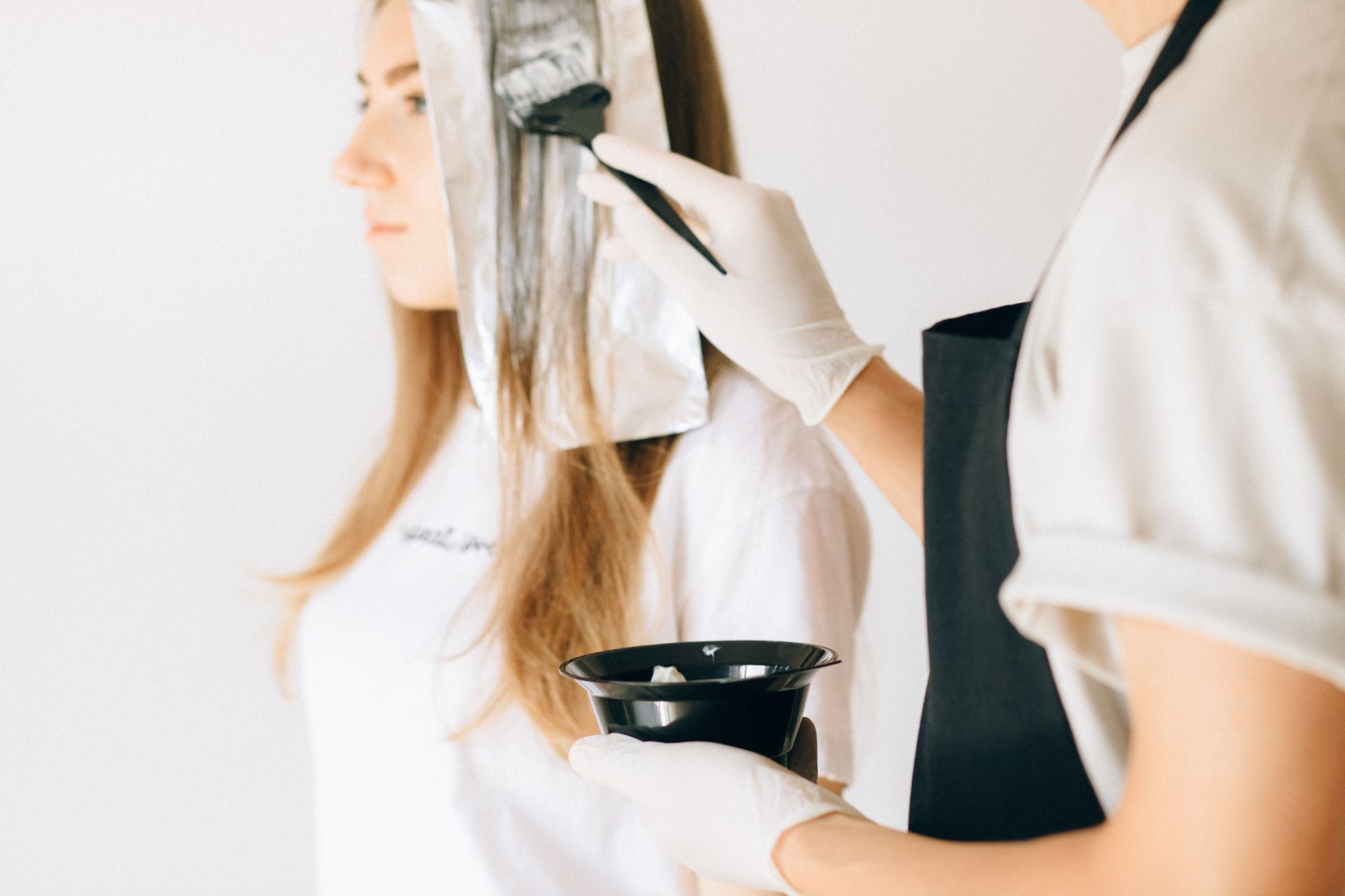
Using toner can significantly elevate your hair color and enhance its shine, but the timing of application is crucial for achieving optimal results. Many people wonder, “How long should I leave toner in my hair?” This article will explore the recommended processing times, the results you can expect, and aftercare tips to keep your hair healthy.
Understanding how long to leave toner in your hair can depend on several factors, including your hair type, the desired shade, and the specific toner you are using. With the right knowledge, you can achieve that perfect hue without damaging your locks.
How Long to Leave Toner in Hair?
The ideal time to leave toner in your hair typically ranges from 10 to 30 minutes, depending on various factors. It’s essential to monitor your hair closely during this time to achieve your desired shade without over-processing. Toners work by neutralizing unwanted tones in your hair, such as brassiness in blonde shades or overly warm hues in darker colors.
Factors Influencing Toner Processing Time
Several key aspects will influence how long you should leave toner in your hair:
- Hair Porosity: High-porosity hair may absorb toner faster, requiring a shorter processing time, while low-porosity hair may need a bit longer.
- Desired Shade: If you’re looking for a subtle change, 10 to 15 minutes may be sufficient. For more dramatic results, aim for 20 to 30 minutes.
- Type of Toner: Different toners have varying strengths and formulas, affecting how long they should be left on.
- Hair Condition: Healthy hair typically withstands longer processing times better than damaged hair. Always consider your hair’s condition before deciding.
Step-by-Step Guide to Toning Hair
If you’re ready to start toning your hair, follow this step-by-step guide for optimal results:
- Choose the Right Toner: Select a toner based on your current hair color and the shade you wish to achieve. For instance, if you’re blonde, choosing a purple toner can help neutralize yellow tones.
- Conduct a Strand Test: Always perform a strand test by applying the toner to a small section of hair first. This will help you gauge how your hair reacts and the final color it will achieve.
- Apply the Toner: Use a dye brush to evenly apply the toner to clean, dry hair, making sure every strand is covered.
- Set a Timer: Depending on the factors mentioned earlier, set a timer for 10 to 30 minutes.
- Check the Color: Check your hair every 5 minutes after the initial 10-minute mark to see how the color is developing.
- Rinse Thoroughly: Once you’ve reached your desired shade, rinse your hair thoroughly with lukewarm water until the water runs clear.
- Apply a Conditioner: After rinsing out the toner, it’s important to follow up with a conditioner designed for color-treated hair to lock in moisture.
Results You Can Expect from Toning
Toning can yield a variety of results, depending on your starting point and the product used. Here are some typical outcomes:
- Reduction in Brassiness: For those with blonde or highlighted hair, toners can neutralize yellow or orange undertones, leading to a cooler, more balanced color.
- Enhancement of Vibrancy: Toners can enhance the vibrancy of the color on dyed hair, making it appear more luminous and healthy.
- Correcting Color Mistakes: If your hair has turned an undesired color after dyeing, a suitable toner can help rectify the situation.
- Custom Color Shades: Depending on the toner you choose, you can achieve various shades, from icy blondes to soft pastels.
Post-Toner Hair Care
1. Use Color-Safe Shampoo and Conditioner
Investing in a sulfate-free, color-safe shampoo and conditioner is vital for prolonging the life of your toner. These products are formulated to be gentle and can help keep your color intact.
2. Limit Washing Frequency
Washing your hair too often can strip it of essential oils and color. Try to limit your shampooing to 2-3 times a week.
3. Use a Weekly Mask
Incorporate a deep conditioning mask into your routine once a week to keep your hair moisturized and prevent damage.
4. Avoid Heat Styling
Whenever possible, try to avoid excessive heat styling tools like blow dryers, straighteners, and curling irons. If you do use them, apply a heat protectant spray beforehand.
5. Protect from Sun and Chlorine
Both sun exposure and chlorine can fade your toner. Use UV protection products for hair, wear a hat in the sun, and rinse your hair with fresh water before swimming.
Common Mistakes to Avoid
Even seasoned professionals can make mistakes while toning hair. Here’s a list of common errors to watch out for:
- Not Reading Instructions: Every toner is different, so make sure to read and follow the instructions provided by the manufacturer.
- Ignoring Strand Tests: Skipping this essential step can lead to unexpected colors and results.
- Overprocessing: Leaving toner in too long can lead to unwanted results, such as overly dark or ashy tones.
- Neglecting Aftercare: Proper maintenance is crucial for color longevity, so don’t skip on color-safe products.
Understanding How Toners Work
Toners primarily function by adjusting your hair’s pH levels and neutralizing unwanted tones through the use of color pigments. Here’s a breakdown of how this works:
- Color Wheel: Toners utilize color theory, specifically the color wheel, to cancel out unwanted hues. For example, purple tones neutralize yellow, while blue tones eliminate orange.
- pH Balance: Hair typically has a pH level of about 4.5 to 5.5. Toners are formulated to slightly raise the pH, allowing the pigments to penetrate the hair cuticle effectively.
When to See a Professional
While many people successfully tone their hair at home, there are certain situations when consulting a professional is advisable:
- If you’ve had a recent color mishap that is significantly darker or different than expected.
- If your hair has been chemically treated (e.g., perm or relaxer), as it may react unpredictably to a toner.
- If you’re unsure what toner to use or how to achieve the desired result.
- If your hair feels overly damaged or fragile.
Final Thoughts
Toning your hair can be a fantastic way to refresh your color and eliminate unwanted undertones. By understanding how long to leave toner in your hair and following proper aftercare, you can achieve stunning results that enhance your natural beauty. Always take the time to assess your hair type, choose the right products, and maintain your hair’s health post-toning for the best effects.
If you’re curious about what toner can do for your hair, visit our article on what toner does for your hair, or learn more about whether toner damages hair to expand your knowledge.