
When it comes to experimenting with hair color, synthetic hair offers an exciting avenue. But one common question that arises is, “Can you dye synthetic hair?” The answer is a bit more complex than a simple yes or no. While you can technically apply color to synthetic hair, doing so requires special considerations and techniques to avoid damage.
This guide will explore whether you can dye synthetic hair, outlining safe steps to do so if you decide to take the plunge. Additionally, we will discuss alternatives to dyeing synthetic hair and tips for achieving your desired look without compromising the integrity of your synthetic strands.
Can You Dye Synthetic Hair?
Yes, you can dye synthetic hair, but it is not as straightforward as dyeing natural hair. Unlike human hair, synthetic fibers are made from materials like polyester or nylon, which do not absorb dye in the same way as natural hair does. This limits the choices of dye that can be used and often prevents the vivid results many desire.
Understanding Synthetic Hair
Before diving into dyeing synthetic hair, it’s crucial to understand the different types of synthetic fibers used in hair extensions and wigs:
- Standard Synthetic Fibers: Typically made from materials like Kanekalon, these fibers are less heat-resistant and can easily become damaged if exposed to high temperatures.
- Heat-Resistant Synthetic Hair: Made from high-quality materials that can withstand styling tools up to a certain temperature, making them more versatile.
Understanding the type of synthetic hair you have will determine what kind of dyeing process, if any, you can safely use.
Why is Dying Synthetic Hair Different?
The main difference between synthetic and natural hair lies in their chemical compositions. Natural hair is made of keratin, which can absorb dye effectively, allowing for vibrant and lasting color. In contrast, synthetic hair fibers are often non-porous, meaning that traditional dyes may not adhere or produce the desired effect.
Safe Steps for Dyeing Synthetic Hair
If you’re set on dyeing synthetic hair, here are some safe steps to follow:
- Choose the Right Dye: Use fabric dye or specially formulated synthetic hair dye. Avoid using regular hair dye, as it will not work effectively and could damage the fibers.
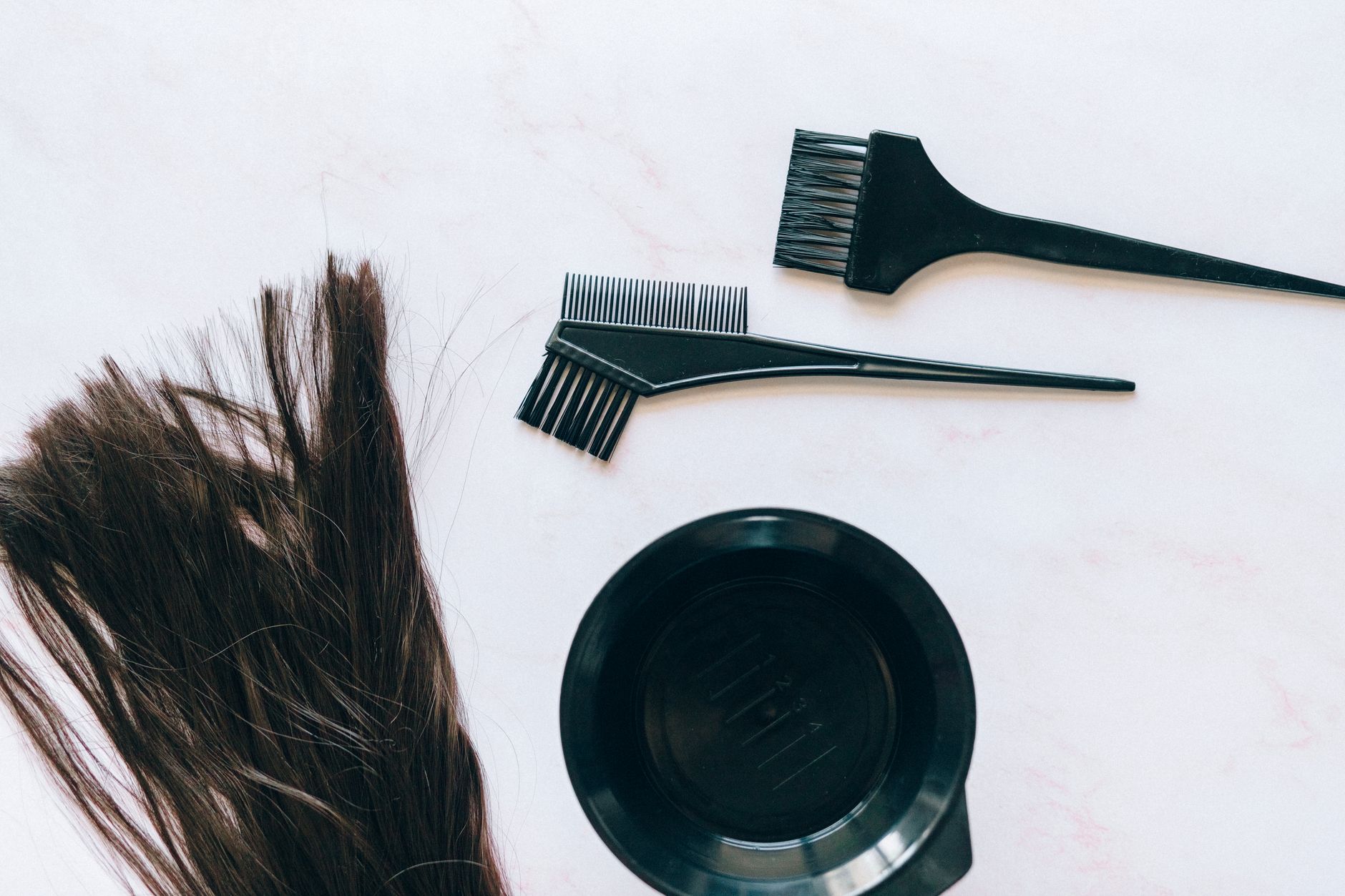
- Gather Your Supplies: You will need the dye, gloves, a mixing bowl, a brush or applicator, and a spray bottle (if using dye in a liquid form).
- Conduct a Patch Test: Always do a patch test on a small section of the synthetic hair to see how it reacts to the dye. This will help you avoid a disaster on your entire wig or extension.
- Prepare the Hair: Wash the synthetic hair to remove any product buildup. This step ensures that the dye can penetrate better, although it might not penetrate as it would in natural hair.
- Mix the Dye: Follow the dyeing instructions on the product you are using. For fabric dyes, you may generally need to dilute it according to the packaging.
- Apply the Dye: Use a brush or spray bottle to apply the dye evenly. Ensure every strand is covered, and be gentle to avoid tangling.
- Set the Dye: Follow the instructions for setting or curing times, which may vary depending on the product used.
- Rinse Thoroughly: Rinse out the dye with cool water until the water runs clear. This step helps to fade any residual dye that could stain the hair or clothing.
- Condition the Hair: Use a synthetic-friendly conditioner to help restore some moisture to the hair after dyeing. Avoid regular hair products, as they may contain ingredients that can damage synthetic hair.
- Dry and Style: Allow the dyed synthetic hair to air dry completely before styling. Avoid heat tools unless you are working with heat-resistant synthetic hair.
Considerations and Tips
When considering dyeing synthetic hair, keep these tips in mind:
- Color Limitations: Achieving certain colors might be impossible due to the type and original color of the synthetic hair. Be realistic in your expectations.
- Fading: Synthetic dyes may fade quicker than natural dyes, so be prepared for frequent touch-ups.
- Don’t Use High Heat: Most synthetic hair can be easily damaged by heat. Always refer to the manufacturer’s instructions regarding the use of heat styling tools.
- Cleaning: After dyeing, be cautious with washing. Use products specifically meant for synthetic hair to prolong the color and integrity of your hair.
Alternatives to Dyeing Synthetic Hair
If dyeing synthetic hair seems complicated or risky, consider these alternatives:
- Use Temporary Hair Color Sprays: These sprays can provide color without the commitment and are easily washable. They are great for one-time events.
- Colored Hair Extensions: Opt for colored synthetic hair extensions or clips to achieve your desired look without dyeing.
- Wig and Hairpiece Choices: Invest in high-quality wigs or hairpieces in your desired color, allowing for more versatility without risking damage to your current pieces.
- Highlighting: Add highlights with fabric markers or colored chalks specifically made for synthetic hair for a fun and temporary look.
Common Mistakes When Dyeing Synthetic Hair
Even experienced individuals can make mistakes when dyeing synthetic hair. Here are some common pitfalls to avoid:
- Using the Wrong Dye: Always ensure that you use dye specifically formulated for synthetic fibers to avoid irreversible damage.
- Skipping the Patch Test: A small section test can save you from disastrous outcomes on the full piece.
- Over-saturating the Hair: Too much dye can lead to tangling and unusable hair. Apply dye moderately for the best results.
- Neglecting to Condition: Neglecting to condition after dyeing can leave the hair dry and unmanageable.
Maintaining Dyed Synthetic Hair
Once you’ve successfully dyed your synthetic hair, proper maintenance is key to keeping it looking vibrant and fresh. Here are some tips to follow:
- Gentle Washing: Use a synthetic hair shampoo or a mild clarifying shampoo. Avoid vigorous scrubbing and use cool water.
- Detangling: Use a wide-tooth comb or your fingers to gently detangle while the hair is wet. Avoid brushes, which can cause breakage.
- Store Properly: When not in use, store dyed synthetic hair in a cool, dry place, preferably in a wig stand or padded bag to maintain shape and style.
- Limit Heat Exposure: If your dyed synthetic hair is not heat-resistant, avoid using heat styling tools as this can cause irreparable damage.
Expert Tips for Best Results
Maximizing the color and longevity of your synthetic hair dye requires some insider knowledge:
- Choose Quality Products: Invest in high-quality dyes and care products designed for synthetic fibers for better results.
- Consult Forums or Communities: Engage with online beauty forums or beauty communities. They can provide tips and advice tailored to specific experiences.
- Experiment with Colors: Don’t be afraid to experiment with colors that blend well with your original shade for a more natural look after dyeing.
- Stay Within One or Two Shades: For a more natural finish, stick to colors that are within a couple of shades lighter or darker than your existing synthetic hair color.
Understanding Your Expectations
Accepting realistic outcomes from dyeing synthetic hair is essential. You may not achieve the exact shade or vibrancy you desire. Synthetic hair colors may also fade over time, which is a natural process.
Being patient and open to experimentation without settling for perfection will make your synthetic hair journey enjoyable.
Conclusion
Dyeing synthetic hair can be a fun way to express yourself, but it’s essential to do it safely and wisely. With the right products and techniques, you can experiment with color while maintaining the integrity of your strands. If in doubt, consider alternatives like temporary color solutions or investing in colored extensions.
For those seeking different ways to style or maintain your hair, explore guides on dyeing wet hair or learn if it’s suitable to dye your hair wet. These resources can enhance your beauty routine and expand your styling options.