
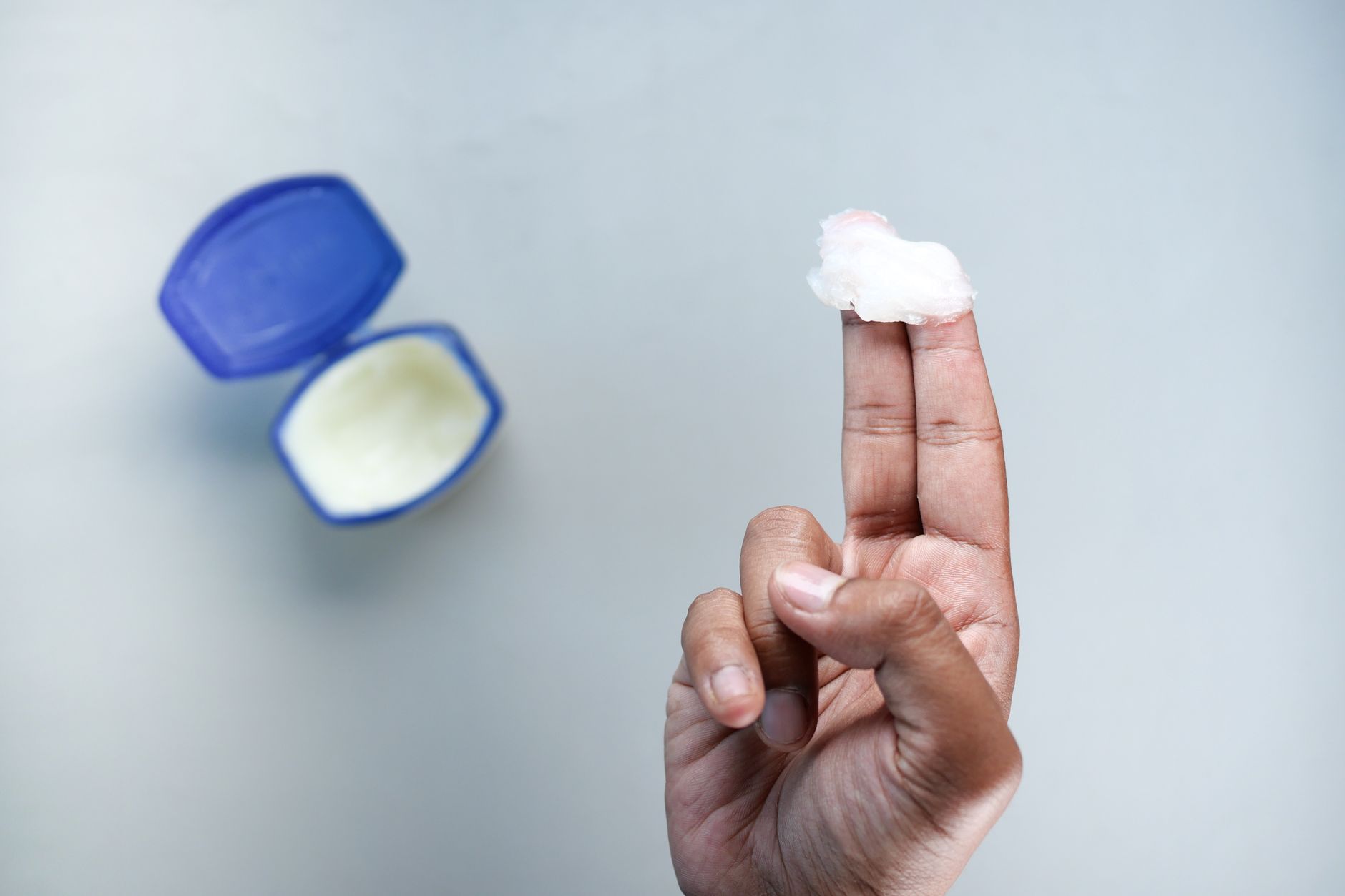
Petroleum jelly is a staple in many beauty routines, known for its moisturizing properties and versatility. However, a question often arises: does petroleum jelly expire? Understanding its shelf life, how to store it properly, and when to toss it can help ensure you’re getting the most out of this popular product.
This comprehensive guide will clarify the longevity of petroleum jelly, discuss signs of spoilage, and provide tips for best storage practices. By the end, you’ll feel equipped to incorporate this classic product safely and effectively into your beauty regimen.
Does Petroleum Jelly Expire?
Petroleum jelly does not expire in the traditional sense, but it can degrade over time. While it generally has a long shelf life of several years, it’s essential to consider storage conditions and how to identify signs of spoilage. Understanding these factors can help you determine when it’s time to part ways with your petroleum jelly.
What is Petroleum Jelly?
Petroleum jelly, also known as petrolatum, is a semi-solid mixture of hydrocarbons derived from crude oil. It has long been used in various applications, from skincare to industrial uses, due to its ability to create a barrier on the skin, lock in moisture, and speed up healing processes.
In the beauty industry, it serves multiple purposes, including:
- Moisturizing dry skin
- Protecting cuts and scrapes
- Improving the look of dry or chapped lips
- Firming the lashes and brows when applied cautiously
- Enhancing the longevity of fragrances when used as a base
Shelf Life of Petroleum Jelly
The shelf life of petroleum jelly can vary based on factors like brand and packaging, but it typically lasts for three to five years when stored properly. Unlike many cosmetics, petroleum jelly’s composition makes it resistant to bacterial growth, giving it a longer lifespan.
However, it’s important to keep an eye on factors that can affect its integrity, including:
- Exposure to air and moisture
- Direct sunlight
- Contamination from dirty fingers or tools
How to Store Petroleum Jelly
Proper storage can extend the shelf life of your petroleum jelly and ensure it remains effective. Here are some best practices:
- Keep it in a cool, dry place: Store petroleum jelly in a cool environment, away from sunlight and moisture. Avoid bathrooms or overly humid areas.
- Airtight container: Ensure the lid is tightly closed after each use to prevent air and moisture from entering, which can degrade the product.
- Use clean tools: If you dip your fingers into the jar, always do so with clean hands. Alternatively, consider using a small spatula to scoop out the product to avoid contamination.
Signs That Petroleum Jelly Has Expired
While petroleum jelly can last for years, it’s essential to recognize when it may no longer be effective or safe to use. Look for these signs:
- Changes in texture: If your petroleum jelly has become grainy, hard, or has separated, it may be time to discard it.
- Off odor: If there’s a noticeable change in smell, such as a rancid or unusual odor, that’s a clear sign it’s gone bad.
- Color changes: Any discoloration or changes from its natural color can indicate spoilage.
- Strange consistency: If the jelly feels sticky instead of smooth, consider throwing it away.
Common Uses of Petroleum Jelly in Beauty Routines
Petroleum jelly is an incredibly versatile product that can be easily incorporated into your beauty routine. Here are a few popular uses:
Moisturizing
One of the primary uses for petroleum jelly is as a moisturizer. It’s particularly effective for dry areas like elbows, knees, and heels. For a nighttime routine:
- Cleanse the area thoroughly.
- Apply a thin layer of petroleum jelly.
- Wear socks or gloves overnight to lock in moisture.
Lip Care
Petroleum jelly can work wonders for chapped lips. For an effective lip care routine, follow these steps:
- Exfoliate lips gently with a lip scrub or a soft toothbrush.
- Apply a generous layer of petroleum jelly before bed to hydrate and repair.
- Reapply throughout the day as needed to maintain softness.
Makeup Enhancer
Petroleum jelly can be used to enhance your makeup look, particularly for a dewy finish. Here’s how:
- Mix a small amount of petroleum jelly with your foundation for a more glowy finish.
- Apply a thin layer on your cheekbones as a highlighter.
Preventing Skin Irritation
It’s also beneficial for protecting the skin from irritation caused by fragrances or harsh products:
- Apply a thin layer on areas prone to irritation before applying new products or after shaving.
Common Mistakes When Using Petroleum Jelly
While petroleum jelly is a wonderful product, some common mistakes can hinder its effectiveness:
- Using on broken skin: Avoid applying to deep cuts or severe wounds, as it may trap bacteria.
- Overapplying: A little goes a long way. Using too much can lead to clogging pores, especially on the face.
- Mixing with incompatible products: Be cautious when combining petroleum jelly with other heavy creams or products, as this can create an unfavorable texture.
Alternatives to Petroleum Jelly
For those who prefer to avoid petroleum-based products, there are alternatives available:
- Coconut oil: A natural moisturizer that offers hydration and antibacterial properties.
- Shea butter: Rich in vitamins and fatty acids, shea butter provides excellent hydration.
- Beeswax: Combined with oils, beeswax can create a protective barrier similar to petroleum jelly.
Frequently Asked Questions
Can I use petroleum jelly on my face?
Yes, you can use petroleum jelly on your face, particularly for dry patches. However, avoid applying it to acne-prone areas, as it can clog pores.
Is there a difference between petroleum jelly and Vaseline?
Vaseline is actually a brand name for petroleum jelly. There is no significant difference when comparing Vaseline to generic petroleum jelly, except for branding.
Can I use expired petroleum jelly?
It’s not recommended to use expired petroleum jelly. If you notice any signs of spoilage, such as odor or texture changes, it’s best to discard it for safety reasons.
Is petroleum jelly safe for kids?
Petroleum jelly is generally considered safe for children. However, always conduct a patch test and consult with a pediatrician for any specific concerns.
Conclusion
Understanding the shelf life and proper care of petroleum jelly can enhance its effectiveness in your beauty routine. Be sure to monitor storage conditions, watch for signs of spoilage, and know when it’s time to say goodbye to your product. This ensures you’re maximizing benefits without compromising safety.
For further reading, explore our blog posts on Does Vaseline Expire? and Is Petroleum Jelly the Same as Vaseline? for more insights on petroleum jelly and its uses.