
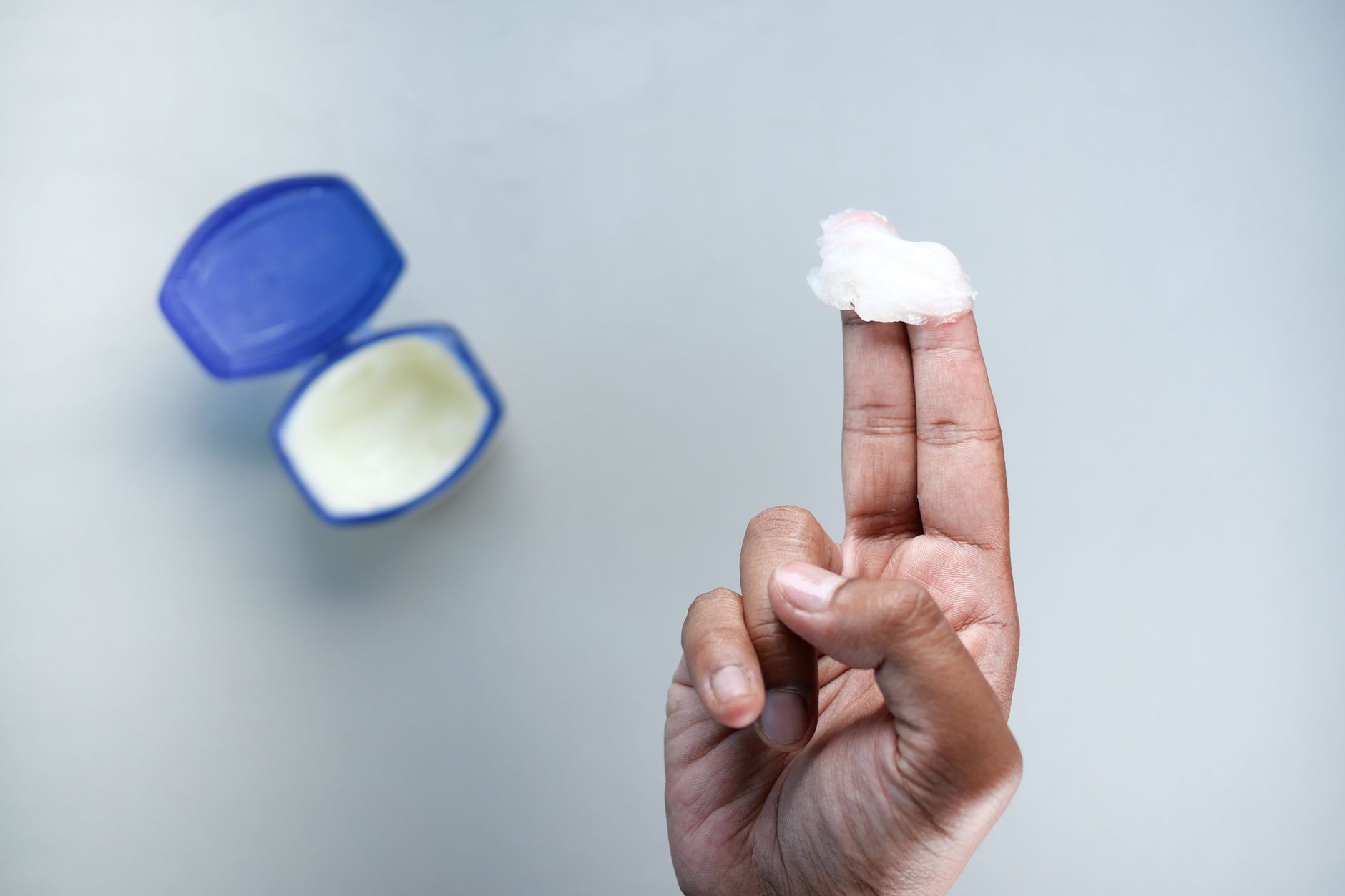
When exploring the world of beauty and skincare products, you might have stumbled upon petroleum jelly and Vaseline. While the names are often used interchangeably, they’re not exactly synonymous. Understanding their differences and similarities can help you make an informed decision about which one to use for your beauty routines.
In this article, we delve deep into what petroleum jelly and Vaseline truly are, exploring their uses, benefits, and any distinctions that can help you choose the right product for your skincare needs.
Is Petroleum Jelly the Same as Vaseline?
Petroleum jelly and Vaseline are closely related but not identical. Petroleum jelly is a generic term for a semi-solid mixture of hydrocarbons, while Vaseline is a well-known brand that manufactures refined petroleum jelly. Both products share similar properties, but the refinement process and added ingredients can create differences in usage and application.
What is Petroleum Jelly?
Petroleum jelly, often referred to as “petroatum,” is a by-product of petroleum refining. It consists of a combination of mineral oils and waxes, which gives it its characteristic thick, gooey texture. As an occlusive agent, petroleum jelly works by forming a protective barrier over the skin, effectively sealing in moisture and aiding in the healing of cuts and chapped skin.
The Story of Vaseline
Vaseline is a brand name for a specific formulation of petroleum jelly, first introduced in the late 19th century. Developed by Robert Chesebrough, the product gained popularity quickly for its versatility and effectiveness in aiding skin repair. What differentiates Vaseline from generic petroleum jelly is its rigorous purification process. Vaseline undergoes extensive filtering and refining to remove impurities, making it a more consistent and safe option for cosmetic use.
Key Differences Between Petroleum Jelly and Vaseline
While the fundamental base of both products is similar, the key differences lie in their formulation, purity, and potential additives. Below are some essential distinctions to consider:
- Purity: Vaseline is a purified form of petroleum jelly. The filtration process removes potentially harmful substances, whereas generic petroleum jelly might not be as rigorously refined.
- Brand Trust: As a well-known and trusted brand, Vaseline has built its reputation on quality. Some consumers may prefer to buy Vaseline over generic petroleum jelly due to brand loyalty.
- Consistency and Texture: While both products are thick and greasy, Vaseline may have a slightly smoother texture due to its filtration process, making it more pleasant to apply.
- Usage: Both products serve similar uses in skincare. However, Vaseline is often marketed specifically for cosmetic purposes, while petroleum jelly may not always cater to this audience.
- Price: Vaseline typically costs more than generic petroleum jelly, which can be an important factor for budget-conscious consumers.
Uses for Petroleum Jelly and Vaseline
Both petroleum jelly and Vaseline can be used in various ways across skincare, makeup, and general health. Here’s an overview of how to effectively incorporate either product into your beauty routine:
1. Protect and Heal Dry Skin
Both products can effectively protect and heal chapped lips, dry feet, elbows, and hands. By applying a generous layer of petroleum jelly or Vaseline over affected areas, you can lock in moisture and promote faster healing.
2. Makeup Remover
Petroleum jelly can also be used as a gentle makeup remover. It effectively dissolves makeup products, especially waterproof ones, without harsh chemicals that might irritate the skin.
3. Aiding in Scalp Health
For those with dry or flaky scalps, applying a small amount of petroleum jelly can help soothe irritation. However, be cautious not to use too much, as it may weigh down hair or lead to greasiness.
4. Lip Care
Both Vaseline and petroleum jelly can work wonders for chapped lips. By applying it as a lip balm, you can keep your lips hydrated and protected from harsh weather conditions.
5. Preventing Skin Chafing
When engaging in physical activities, applying petroleum jelly can drastically reduce skin chafing caused by friction. Use it on areas prone to chafing, like thighs or underarms, for protection.
6. After-Sun Repair
After a long day in the sun, using petroleum jelly or Vaseline can help soothe sunburns by creating a barrier that locks in moisture and promotes healing.
Suitability for Skin Types
While both petroleum jelly and Vaseline are beneficial for many, certain skin types may respond differently. Here’s how to determine suitability based on your skin type:
- Dry Skin: Both products are excellent choices for dry skin types. Their occlusive nature traps moisture effectively.
- Oily Skin: Those with oily skin should approach with caution. Petroleum jelly can clog pores, leading to breakouts; consider lighter alternatives.
- Sensitive Skin: Vaseline may be a better choice for sensitive skin due to its purification process, which reduces the likelihood of irritation.
- Combination Skin: You can use petroleum jelly in targeted areas, such as dry patches, while maintaining a lightweight moisturizer for the rest of the face.
How to Incorporate Petroleum Jelly or Vaseline into Your Skincare Routine
Now that you understand the various uses and distinctions, here’s a simple way to incorporate petroleum jelly or Vaseline into your daily skincare routine. This routine can be used both in the morning and in the evening:
- Cleanse: Start with a gentle cleanser to remove dirt and makeup from your skin.
- Moisturize: Apply a lightweight moisturizer appropriate for your skin type.
- Target Areas: Use petroleum jelly or Vaseline on specific areas that need extra hydration, such as elbows, knees, or lips.
- Allow Absorption: Let the products settle into the skin for a few minutes.
- Makeup Application (Optional): If using during the day, proceed with your makeup application as desired!
Common Mistakes and Tips
Even with the versatility of petroleum jelly and Vaseline, there are common mistakes to avoid. Here are some practical tips to ensure the best use:
- Using Too Much: A pea-sized amount usually suffices. Overusing can lead to a greasy feel and potential breakouts.
- Not Patch Testing: To avoid irritation, always perform a patch test on a small area of skin before applying extensively.
- Avoid Comedogenic Areas: If you’re prone to acne, avoid applying petroleum jelly on the face unless it’s on dry areas.
- Layer Wisely: Use petroleum jelly or Vaseline as the last step in your skincare routine to maximize hydration benefits.
Potential Drawbacks to Consider
While petroleum jelly and Vaseline have numerous benefits, being aware of potential drawbacks is essential:
- Clogging Pores: As mentioned, these products are occlusive, meaning they can trap dirt and bacteria if not used carefully, potentially leading to breakouts.
- Not Ideal for Oily Skin: Those with oily skin types may want to avoid the product or use it sparingly, especially on the face.
- Limited Absorption: The occlusive nature means that while moisture is locked in, it does not add hydration or nourishment, so a good moisturizer should still be used.
Petroleum Jelly vs. Vaseline: Which Should You Choose?
Choosing between petroleum jelly and Vaseline ultimately depends on personal preference and specific beauty needs. If purity, brand assurance, and a reliable reputation are key factors for you, Vaseline may be the best choice. However, if you’re looking for a budget-friendly option and are aware of the purification aspects, generic petroleum jelly can serve you just as well.
Conclusion
Understanding the differences and similarities between petroleum jelly and Vaseline can enhance your beauty routine significantly. Their multifunctional uses make them staples in many people’s skincare regimens. Make sure to consider your skin type and specific needs when deciding which product to incorporate into your routine. Whether you opt for the branded Vaseline or a generic petroleum jelly, both can offer effective moisture sealing benefits and protection.
For further insights, feel free to explore our guides on whether Vaseline is good for your lips and the potential of Vaseline clogging pores.