
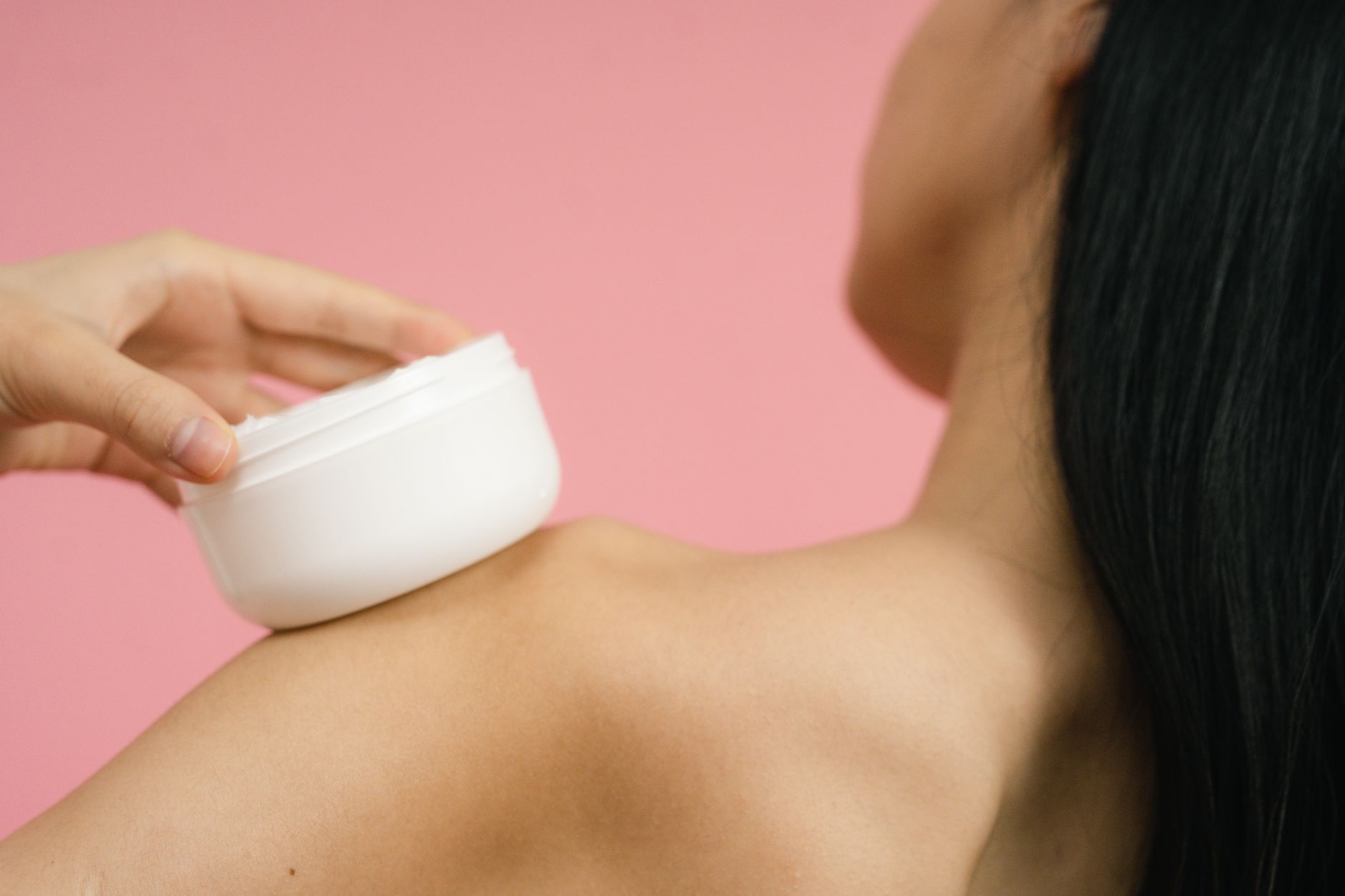
Vaseline, or petroleum jelly, has been a staple in many households for decades, known for its ability to moisturize and protect skin. However, a major concern for many skincare enthusiasts is whether it clogs pores, which can lead to breakouts and other skin issues. Understanding its properties and effects is essential for making informed decisions about its use in your beauty routine.
This article explores the comedogenicity of Vaseline, its suitability for various skin types, and practical tips for incorporating it into your skincare regimen without compromising your skin health.
Does Vaseline Clog Pores?
Vaseline is often classified as non-comedogenic, meaning it is unlikely to clog pores for most skin types. However, individual reactions can vary. For those with oily or acne-prone skin, understanding how to use Vaseline correctly is crucial to prevent potential breakouts.
What is Comedogenicity?
Comedogenicity refers to the tendency of a substance to clog pores, leading to the formation of comedones, which are the primary causes of acne. Ingredients are often rated on a scale from 0 to 5, with 0 being non-comedogenic and 5 being highly comedogenic. Vaseline is generally rated around 0 to 1, suggesting it does not create comedones for a majority of users.
The Science Behind Vaseline
Vaseline is made from petroleum jelly, which is a byproduct of oil refining. It is an occlusive agent, meaning it forms a barrier on the skin that helps to prevent moisture loss. While this property is beneficial for hydration, it can sometimes lead to concerns about its effect on pores.
Who Can Use Vaseline?
Vaseline can be beneficial for various skin types, but how it interacts with your skin depends on individual factors, including:
- Skin Type: Oily, dry, sensitive, or combination skin may react differently.
- Skin Concerns: Individuals with acne, eczema, or rosacea may have specific precautions.
- Environmental Factors: The climate and lifestyle can influence how your skin behaves.
1. Oily Skin
For those with oily skin, using Vaseline might seem counterintuitive due to its heavy texture. While it is generally non-comedogenic, layering it on top of other heavy products or using it excessively can potentially lead to breakouts. It’s advisable to use a thin layer if desired.
2. Dry Skin
For dry skin types, Vaseline can be a game-changer. Its occlusive properties help to lock in moisture, providing lasting hydration. Using it as a final step in your skincare routine can prevent water loss.
3. Sensitive Skin
If you have sensitive skin, it’s essential to conduct a patch test before widespread use. While Vaseline is generally safe for most, some may experience irritation. Apply a small amount to an inconspicuous area and wait for 24 hours to see if any reaction occurs.
4. Acne-Prone Skin
Individuals with acne-prone skin should approach Vaseline with caution. While it might not clog pores for everyone, it’s essential to monitor your skin’s response. Using it sparingly and only as a spot treatment or on dry areas may help you avoid any unwanted reactions.
How to Use Vaseline in Your Skincare Routine
Incorporating Vaseline into your skincare regimen can enhance hydration but requires careful consideration. Here’s a step-by-step guide for using it effectively.
Morning Routine
- Cleanser: Begin with a gentle cleanser to remove dirt and oil.
- Toner (Optional): Use a toner suitable for your skin type to balance pH.
- Hydrating Serum: Apply a lightweight, hydrating serum for added moisture.
- Moisuturizer: Use a moisturizer suitable for your skin type.
- Vaseline: Apply a thin layer of Vaseline to lock in hydration, especially if you’re in a dry environment.
- Sunscreen: Finish with a broad-spectrum sunscreen to protect against UV damage.
Evening Routine
- Cleanser: Use a foaming or gel cleanser to remove makeup and impurities.
- Exfoliation (1-2 times a week): Consider a gentle exfoliant to remove dead skin cells and prevent clogged pores.
- Hydrating Toner: Reapply a hydrating toner to prep your skin for the next steps.
- Moisturizer: Apply a regular moisturizer, tailored to your needs.
- Vaseline: Use Vaseline as an occlusive treatment to seal in moisture overnight.
Common Mistakes when Using Vaseline
While Vaseline can be beneficial, certain common mistakes may hinder its effectiveness and cause issues like clogged pores or breakouts:
- Using Too Much: A little goes a long way. Excessive application can overwhelm the skin.
- Wrong Timing: Always apply it last in your skincare routine to avoid trapping other products.
- Ignoring Skin Response: Be attentive to how your skin reacts, especially if it is prone to acne.
Signs of Irritation to Watch For
While Vaseline is generally safe, it is essential to pay attention to your skin’s reactions. Look out for the following signs of irritation:
- Redness or inflammation
- Increased breakouts after use
- Itching or discomfort
Alternative Uses for Vaseline
Vaseline isn’t just for skin hydration. Here are some surprising alternative uses:
- Lip Balm: Apply a thin layer to keep lips soft and moisturized.
- Eye Cream: A dab can help moisturize the delicate skin around the eyes.
- Highlighter: Use it on cheekbones for a dewy finish.
- Makeup Preventer: Apply it to areas where you don’t want makeup to adhere, like on eyebrows when applying brow gel.
Combining Vaseline with Other Ingredients
If you’re considering combining Vaseline with other ingredients, here’s what to keep in mind:
- Essential Oils: Be cautious—some essential oils can be irritating. Always dilute and perform a patch test.
- Hydrating Ingredients: Mixing with other occlusive moisturizers may create an overly heavy texture.
- Exfoliating Products: Avoid mixing with harsh acids or scrubs, as this can lead to irritation.
What to Look for When Choosing Products Alongside Vaseline
When selecting complementary products to use with Vaseline, consider the following criteria:
- Non-Comedogenic: Choose products that are labeled as non-comedogenic to lower the risk of clogged pores.
- Hydrating Formulations: Opt for moisturizers and serums that focus on hydration without excessive oils.
- Sensitive Skin Formulations: For those with sensitivities, look for hypoallergenic or fragrance-free options.
Expert Insights on Vaseline Use
While specific expert opinions vary, many agree that when used correctly, Vaseline can be part of a beneficial skincare routine. However, proper application and understanding of your individual skin needs are crucial for achieving favorable results.
Conclusion and Taking the Next Step
Vaseline can be a versatile addition to your beauty routine, primarily when used with caution and awareness of your skin type. Incorporating it as a protective barrier can enhance moisture retention without clogging pores for most individuals. Start with a small amount, monitor your skin’s response, and adjust your usage as necessary. The key is to complement it with suitable products tailored to your skin needs.
For more insights into effective skin care, check out guides on whether petroleum jelly is safe for you and learn how to unclog pores effectively.