
Pores are tiny openings on your skin that allow oil, sweat, and sebum to reach the surface. However, they can become clogged with dirt, dead skin cells, and excess oil, leading to issues like blackheads and enlarged pores. Unclogging pores is an essential step in maintaining healthy, radiant skin.
This article provides realistic tips and care options for effectively unclogging pores, suitable for various skin types. Whether you’re dealing with oily, combination, or normal skin, these strategies can help you achieve a clearer complexion.
How to Unclog Pores?
Unclogging pores is a multi-step process that involves effective cleansing, exfoliation, and moisturizing. The goal is to clear out impurities while keeping your skin balanced and healthy. Here’s a breakdown of how you can accomplish this effectively.
Understanding Pores and Their Issues
Pores can become clogged for numerous reasons, including excess oil production, improper cleansing, and environmental pollution. Here are a few common concerns:
- Blackheads: Small, dark spots that occur when a pore is clogged with oil and dead skin cells but remains open to the air.
- Whiteheads: Similar to blackheads, but they remain closed and appear as small white bumps under the skin.
- Enlarged pores: Caused by excess oil, loss of elasticity, or age, enlarged pores can be a visible concern for many.
Different skin types, such as oily, dry, or sensitive, may respond differently to pore-clogging issues. Understanding your skin type will help you choose the right products and methods for unclogging your pores.
Steps to Unclog Pores
Consistent skincare practices can effectively help unclog pores and maintain their cleanliness. Here, we’ll divide the routine into two parts: morning and evening.
Morning Routine
- Cleanse: Start with a gentle foaming or gel cleanser suitable for your skin type. This will help remove any impurities without stripping your skin’s natural oils.
- Tone: Use a toner with ingredients like witch hazel or salicylic acid to help remove leftover residue and tighten pores.
- Exfoliate (2-3 times a week): Incorporate a chemical exfoliant like glycolic or lactic acid. This helps to remove dead skin cells and prevents oil build up.
- Moisturize: Even oily skin needs hydration. Choose a lightweight, non-comedogenic moisturizer to keep your skin balanced.
- Sun Protection: Always apply a broad-spectrum sunscreen to protect your skin from damage. This is crucial in preventing pore enlargement over time.
Evening Routine
- Double Cleanse: For effective makeup removal, start with an oil-based cleanser, followed by your regular cleanser.
- Exfoliate (if not done in the morning): Use a gentle chemical exfoliant, focusing on areas with clogged pores.
- Treat: Apply a treatment serum containing ingredients like niacinamide or salicylic acid to help further unclog pores.
- Moisturize: Use a heavier moisturizer if needed to maintain hydration overnight.
Choosing the Right Products
Selecting the appropriate products is crucial in unclogging pores effectively. Look for product categories that suit your skincare needs:
- Cleansers: Look for gel or foaming cleansers that can deeply cleanse the skin.
- Exfoliants: Opt for chemical exfoliants rather than physical scrubs. Ingredients like AHAs and BHAs are effective without causing abrasion.
- Pore Strips: These can temporarily help pull out blackheads but should not be overused as they can cause irritation.
- Pore Minimizing Products: Look for products with niacinamide or clay, which can help regulate oil and tighten the appearance of pores.
Common Mistakes to Avoid
While trying to unclog pores, some mistakes can lead to further issues. Here are a few common ones:
- Over-exfoliating: While exfoliating can help, doing it too frequently can irritate your skin and worsen clogging.
- Skipping Sunscreen: Not using sunscreen can aggravate pores and lead to long-term damage.
- Using Heavy Products: Avoid heavy creams and oils if you have oily or combination skin, as they may further clog pores.
- Picking at Pores: This can lead to scarring or infection; always resist the urge to pick or squeeze.
Natural Methods for Pore Care
If you’re looking for more natural methods to help unclog pores, consider these options:
- Steam Treatments: Gently steaming your face can help open pores and loosen impurities. Follow up with cleansing for best results.
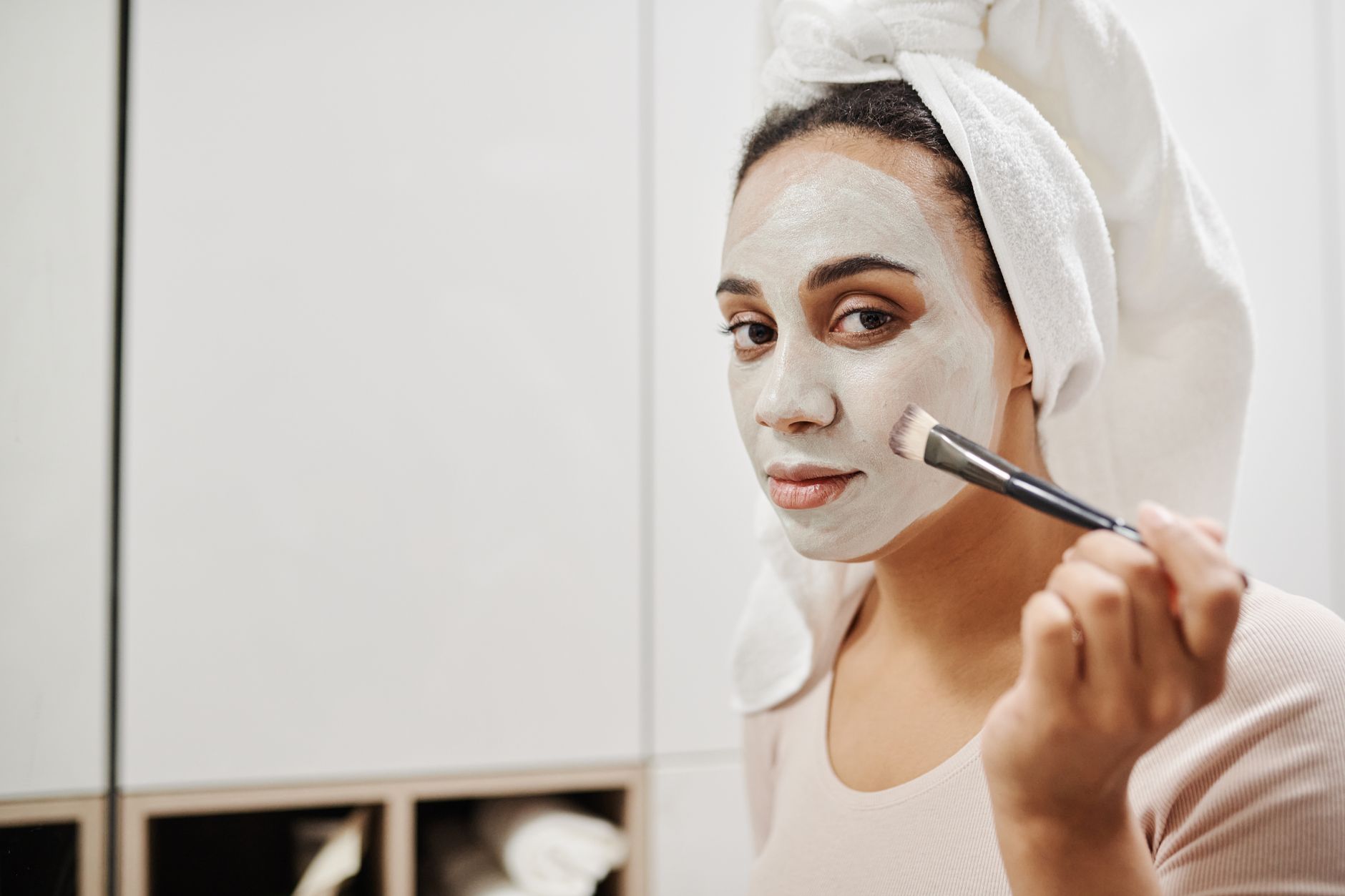
- Clay Masks: Clay can help draw out impurities and excess oil. Using a clay mask once a week can significantly help maintain clearer pores.
- Honey Masks: Honey has natural antibacterial properties. Apply honey as a mask to help soothe irritated skin.
- Apple Cider Vinegar: Diluted apple cider vinegar can be used as a toner. It can help balance skin pH and gently exfoliate.
Incorporating Professional Treatments
If you’re struggling to manage clogged pores on your own, consider professional treatments available at skincare clinics:
- Facials: Regular facials can provide deeper cleansing and treatment, tailored for your skin type.
- Microdermabrasion: This treatment can help remove the top layer of dead skin cells, giving a fresh, clean look to the skin.
- Chemical Peels: Depending on your skin’s needs, a chemical peel can exfoliate more deeply than at-home products.
- Extractions: Professional extractions can safely clear blackheads without risking skin damage.
Long-term Pore Maintenance
To maintain clear pores, consider the following strategies:
- Stay Hydrated: Drink plenty of water to keep your skin hydrated from the inside out.
- Healthy Diet: A balanced diet rich in fruits, vegetables, and healthy fats can improve skin health.
- Regular Skincare Routine: Consistency in your skin routine can significantly help maintain unclogged pores.
- Mindful Makeup Use: Use non-comedogenic makeup products that won’t clog your pores.
Setting Realistic Expectations
When dealing with clogged pores, it’s essential to have realistic expectations. Different skin types will respond differently, and improvements may take time. Regular care will help, but you may not see immediate results. Remember, skincare is a journey, not a sprint.
Signs of Irritation
While trying to unclog pores, be aware of signs of irritation, such as:
- Redness or inflammation
- Peeling or flaking
- Itching or burning sensations
If you experience any of these signs, stop using the suspected product and consult with a healthcare professional if necessary.
Conclusion
Unclogging pores is an ongoing process that requires a combination of proper cleansing, exfoliating, and a mindful approach to skincare. Follow the routines outlined above to maintain a clear and healthy complexion. As you develop your routine, remember to be patient and adjust as needed based on how your skin responds.
If you’re eager to explore more ways to enhance your skincare routine, consider checking out our guides on getting rid of blackheads and minimizing pores. Your journey to clearer skin continues!