
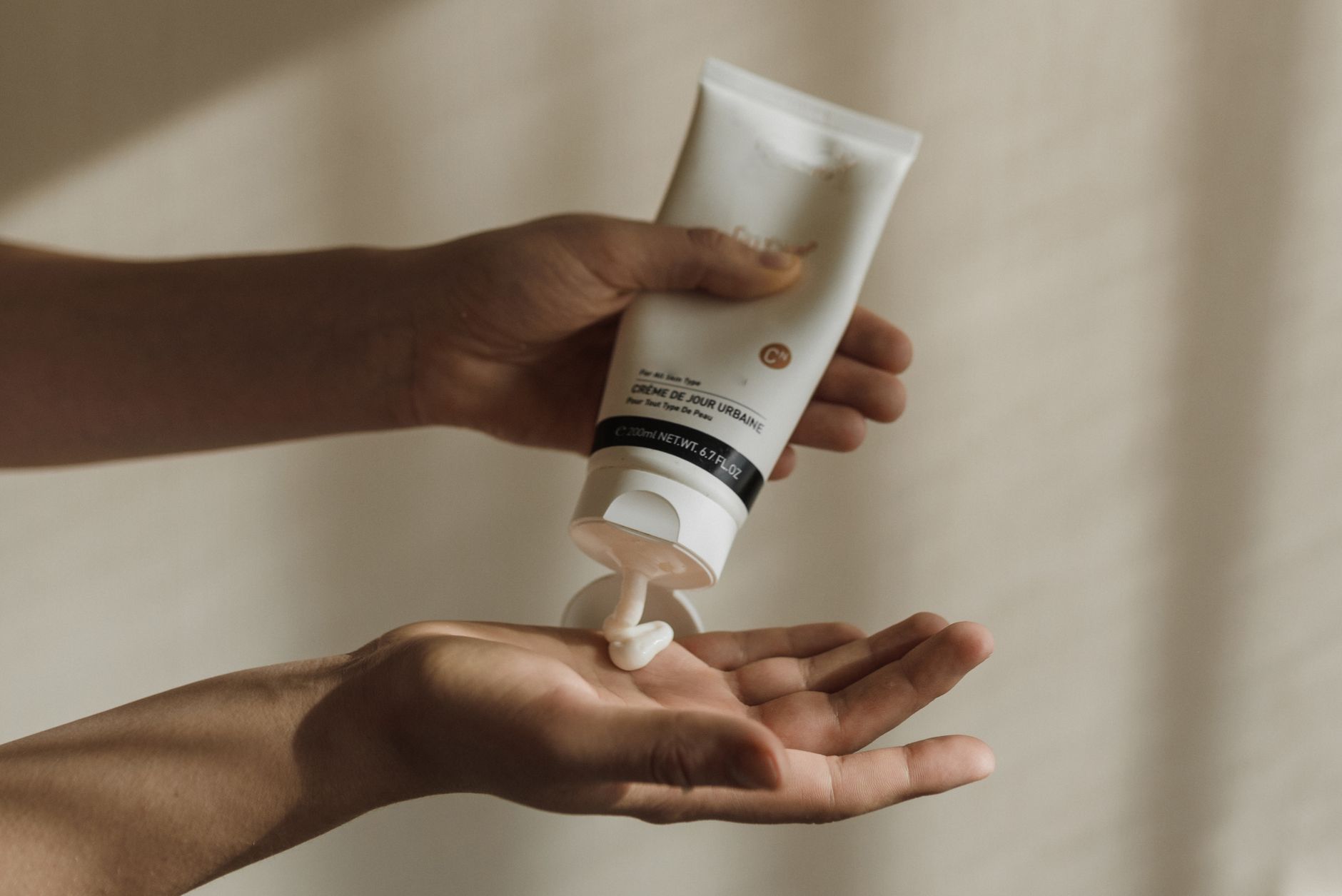
Dry feet can be an uncomfortable and frustrating experience, often leading to cracking, itching, and even pain. Understanding the causes, preventative measures, and care tips is essential to maintaining healthy, hydrated feet. This article explores the reasons behind dry feet and offers practical advice to address this common concern.
From environmental factors to lifestyle choices, several elements can contribute to dryness. With the right knowledge and care routine, you can keep your feet looking and feeling their best.
Why Are My Feet So Dry?
Dry feet can occur due to a variety of reasons, including environmental factors, health conditions, and lifestyle choices. Whether it’s a result of not moisturizing properly or underlying conditions affecting skin hydration, understanding these causes can help you find effective solutions.
Common Causes of Dry Feet
Dry feet can stem from multiple sources, including:
- Environmental Factors: Harsh weather conditions such as cold temperatures, low humidity, and strong winds can strip moisture from the skin on your feet.
- Health Conditions: Certain medical conditions like eczema, psoriasis, diabetes, and thyroid disorders may contribute to skin dryness.
- Personal Hygiene: Overwashing your feet or using harsh soaps can lead to the loss of natural oils, causing dryness.
- Aging: As we age, our skin loses moisture more easily; this can result in dryer feet.
- Lack of Moisturizing: Not applying moisturizer regularly can leave feet prone to dryness.
- Footwear Choices: Wearing shoes that don’t allow the skin to breathe can trap moisture and worsen dryness.
- Hydration Levels: Not drinking enough water can lead to dry skin across the body, including the feet.
Identifying Your Skin Type
Before developing a foot care routine, it’s essential to recognize your skin type. This understanding will guide you in selecting the appropriate products and treatments. Consider the following questions:
- Do you often experience itching or redness on your feet?
- Is your skin flaky or cracked?
- How does your skin feel after bathing or washing?
Identifying your skin type can help tailor your approach to care, ensuring you use products that cater to your specific needs.
Prevention Tips for Dry Feet
Preventing dry feet is often easier than treating them after the fact. Here are several effective tips to keep your feet hydrated and healthy:
- Moisturize Regularly: Apply a rich foot cream or lotion daily, especially after bathing. Look for products containing ingredients like urea, glycerin, or shea butter.
- Wear Breathable Footwear: Choose shoes made from natural materials that allow ventilation. Avoid tight shoes that restrict airflow.
- Limit Hot Showers: While hot baths and showers can be relaxing, they strip moisture from the skin. Opt for lukewarm water instead.
- Use Gentle Soaps: Choose mild soaps without harsh chemicals to avoid stripping the natural oils from your skin.
- Stay Hydrated: Ensure you drink enough water throughout the day to maintain overall skin hydration.
- Exfoliate Weekly: Use a gentle foot scrub or a pumice stone to remove dead skin cells weekly, enhancing the absorption of moisturizers.
Caring for Dry Feet: A Step-by-Step Routine
Establishing a regular foot care routine can significantly combat dryness. Here’s a simple, effective regimen you can follow:
Morning Routine
- Wash Your Feet: Clean your feet with lukewarm water and a gentle soap. Pat them dry using a clean towel, ensuring you dry between the toes.
- Moisturize: Apply a lightweight foot cream to lock in moisture. Focus on the heels and soles, where dryness often occurs.
- Wear Socks: If it’s comfortable, wearing breathable cotton socks after moisturizing helps to trap moisture.
Evening Routine
- Soak Feet: Fill a basin with lukewarm water and soak your feet for about 10 to 15 minutes. You may add Epsom salt for added relaxation.
- Exfoliate: Use a foot scrub or pumice stone gently to slough off any rough, dry skin.
- Massage Cream: Apply a rich foot cream or ointment to your feet, massaging it in thoroughly. Pay special attention to dry areas, such as your heels.
- Overnight Treatment: For intense hydration, consider applying a thicker layer of cream and wearing cotton socks overnight.
Choosing the Right Products
Selecting the right products can make all the difference in treating and preventing dry feet. Look for the following qualities in foot creams and lotions:
- Hydrating Ingredients: Choose products that contain ingredients like glycerin, hyaluronic acid, urea, or aloe vera, known for their moisturizing properties.
- Non-Irritating Formulas: Opt for hypoallergenic and fragrance-free options to prevent irritation.
- Consistency Matters: Thicker creams or ointments tend to offer more moisture than lighter lotions.
- Additional Benefits: Some products may include exfoliating acids or antibacterial properties for added care.
Signs of Irritation and When to Seek Help
Monitoring your feet for signs of irritation is crucial. Look for:
- Persistent itching
- Cracks that bleed or ooze
- Redness or swelling
- Increased pain
If you experience these symptoms, it may indicate a more serious underlying condition, and you should consult a healthcare professional or dermatologist for personalized advice.
Natural Remedies for Dry Feet
If you prefer natural treatments over commercial products, several remedies can help hydrate and soothe your dry feet:
- Coconut Oil: This natural oil penetrates the skin and provides deep hydration. Apply it before bed and wear socks overnight.
- Honey Soak: Mix honey with warm water for a foot soak. Honey is a natural humectant that draws moisture into the skin.
- Olive Oil Massage: A massage with olive oil can help soften the skin and restore moisture. Its antioxidants also benefit overall skin health.
- Aloe Vera Gel: Known for its soothing properties, aloe vera can help alleviate dryness and heal damaged skin.
Lifestyle Changes for Healthier Feet
Making simple lifestyle adjustments can further assist in maintaining hydrated feet:
- Healthy Diet: Consume foods rich in omega-3 fatty acids, such as fish, nuts, and seeds, to promote skin health.
- Regular Exercise: Physical activity improves circulation, which helps deliver nutrients to skin tissues, maintaining hydration.
- Avoid Hot Showers: As mentioned, limit exposure to hot water that can strip natural oils from your skin.
Special Considerations for Foot Care
Depending on your lifestyle and specific needs, consider these special foot care tips:
- If you’re prone to athlete’s foot or other fungal infections, regularly use antifungal powder or spray to keep your feet dry.
- For those who spend a lot of time on their feet, invest in good quality insoles or arch support to reduce friction and irritation.
- Patients with diabetes should prioritize foot care and inspect feet daily for any cuts or infections. Consult with a healthcare provider for tailored advice.
Conclusion
Understanding the causes of dry feet, implementing preventive measures, and establishing a solid care routine are all essential to achieving soft, healthy feet. Remember to choose products that suit your skin type and to follow a consistent regimen for best results. If problems persist or worsen, consider seeking professional guidance to address underlying issues.
Explore more related beauty guides such as how to get rid of smelly feet permanently or discover why is my skin so dry to further improve your foot and skincare routine.